
24/7 Customer Support

Free returns

Same-day & Next-day Delivery

Quality Guaranteed

Unlock Your Welcome Offers: FREE Delivery | Up to 80% OFF | Free 30-day JoyPlus trial
Download the APP
Hanging a new shelf or mounting a television should be a satisfying task, but choosing the wrong wall fixing can quickly turn it into a frustrating problem. A wobbly fixture is more than just an annoyance; it's a sign that the support isn't right for the wall type or the weight it's holding. With so many different types of walls in UK homes—from solid Victorian brick to modern plasterboard and thermal blocks—it is crucial to select the correct hardware.
This guide is designed to cut through the confusion. As the Joybuy Product Recommendation Officer, my role is to provide clear, practical advice to help you choose the right wall plugs for your project. We will explore how to identify your wall type and select the appropriate fixing, ensuring a secure and lasting result for both professional jobs and home DIY tasks.
Before you buy, a few key considerations will ensure you get the job done right the first time. Making the correct choice comes down to understanding your wall, the weight of the object and the hardware itself.
The single most important factor is the material you are drilling into. A fixing designed for solid brick will fail in hollow plasterboard.
Consider the weight of the item you plan to hang. Fixings are rated for different load capacities.
A wall plug is only as good as the screw used with it. Using a screw that is too thin will not allow the plug to expand properly, resulting in a weak hold. A screw that is too thick can split the plug or damage the wall. Reputable brands like Plasplugs and Rawlplug clearly state the recommended screw sizes and the required drill bit diameter on their packaging. Following this guidance is essential for a secure installation.
Based on common applications for different UK wall types, here are some reliable options to consider for your next project.
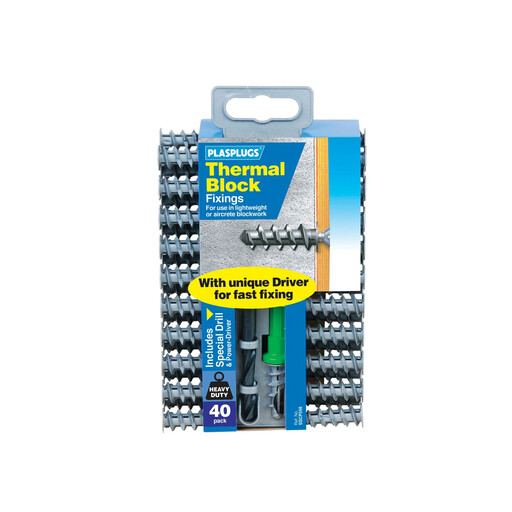
Why It Stands Out: These fixings from Plasplugs solve a common problem when working with modern, aerated blockwork. Instead of just expanding, they are designed to cut their own thread into the soft, crumbly material, creating a far more secure grip where standard plugs would fail or spin.
Pros:
Who is it for?: This is an essential product for tradespeople and DIYers working on new builds or extensions constructed with aerated thermal blocks. It is ideal for securely mounting shelves, brackets and other fixtures to these specialist surfaces.
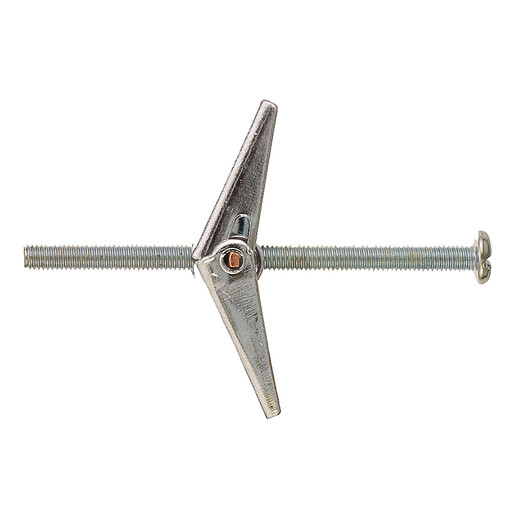
Why It Stands Out: The spring toggle is a classic and highly effective solution for cavity wall fixings. Once pushed through a pre-drilled hole in plasterboard, the metal wings spring open, creating a large contact area on the reverse side of the board. This distributes the load widely, providing a strong anchor point for heavier items.
Pros:
Who is it for?: Anyone needing to hang medium-to-heavy items like large mirrors, radiators or shelving units on plasterboard walls. It is a go-to choice for both professionals and home renovators who need a reliable hold in a cavity.
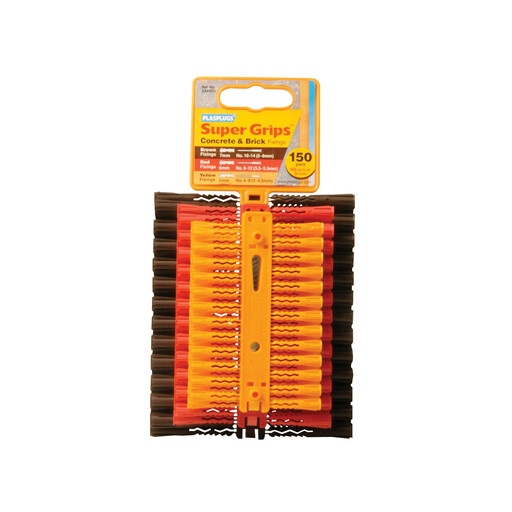
Why It Stands Out: For general-purpose tasks around the home or on a building site, this assorted pack from Plasplugs is incredibly useful. It contains three different sizes of high-quality plugs for solid walls, colour-coded for easy identification. This removes the guesswork and ensures you have the right plug on hand for various screw sizes and load requirements.
Pros:
Who is it for?: This is a perfect toolkit staple for DIY enthusiasts and general tradespeople. It provides a reliable and organised selection of brick wall plugs for the most common fixing jobs on solid walls, from hanging pictures to securing brackets.
While our recommendations cover some of the most common scenarios, every project is unique. You might need a different size, a specific type of anchor or a larger quantity for a commercial job. To see our full selection, browse the complete Wall Plugs & Fasteners category and find the exact fixing your job requires.
Rawlplug is the brand name of the company that invented and patented the very first wall plug. The name has become so widely used that many people in the UK use it as a generic term for any type of wall plug, similar to how "Hoover" is often used to refer to any vacuum cleaner. While Rawlplug is a leading manufacturer, many other brands also produce high-quality wall fixings.
The correct size is determined by the screw you are using and the weight of the object. The packaging for the wall plugs will almost always specify two key things: the diameter of the drill bit you need to use for the hole, and the range of screw gauges (e.g., No. 8-14) or diameters (e.g., 4.5-7mm) that are compatible with the plug. Using the correct combination is vital for a secure fit.
It is generally not recommended to reuse wall plugs. When a screw is driven in, the plug deforms to grip the sides of the hole. Once the screw is removed, the plug will not return to its original shape and will have lost much of its gripping power. For a safe and secure fixing, it is always better to use a new plug.