
24/7 Customer Support

Free returns

Same-day & Next-day Delivery

Quality Guaranteed

Unlock Your Welcome Offers: FREE Delivery | Up to 80% OFF | Free 30-day JoyPlus trial
Download the APP
Walnut snacks can range from plain walnut kernels and whole walnuts to sweet walnut cakes, biscuits, red date and walnut snacks, drinks and cooking ingredients. That variety is useful, but it can also make shopping confusing. A large bag may offer better value yet lose freshness before it is finished, while a packet labelled “walnut” may contain only a small percentage of walnuts alongside sugar, flour or syrup.
The following guide helps UK shoppers compare products by ingredients, nutrition, portion format and intended use rather than relying on packaging claims.
A walnut biscuit or walnut cookie may contain wheat flour, sugar, palm oil, peanuts and flavouring, with walnuts making up only a small proportion. For example, one shortbread product lists walnuts at 0.9%, while another walnut cookie lists them at at least 1.5%. These products may still suit tea time, but they are not equivalent to a packet of plain walnut kernels.
Check the quantitative ingredient declaration where available. In the UK, ingredients are listed in descending order by weight, so walnuts appearing near the end usually indicate a smaller amount.
Plain walnuts contain naturally occurring fats and are energy-dense. One listed walnut product provides 175 kcal per 25g serving, while nutritional values for whole walnuts range from approximately 700 kcal per 100g, depending on the product and labelling format.
Sweetened walnut cakes and red date snacks can also contain considerable carbohydrate and sugar. “No added salt” does not mean sugar-free, and “natural ingredients” does not describe the overall energy content. Use the per 100g information to compare products, then consider the actual serving size.
Walnuts are tree nuts and must be treated as an allergen. Some products also contain peanuts, sesame, soya, milk, gluten or oats, or may carry a “may contain” warning because of shared production lines.
Plain walnut kernels can become stale or develop an unpleasant taste when exposed to heat, light and air. Always check the best-before date, packaging condition and storage instructions. After opening, reseal the bag and store it in a cool, dry place. Some products recommend refrigeration, so follow the label rather than assuming all walnuts should be stored in the same way.
First decide whether you want:
For confectionery, compare the walnut percentage. Huang Lao Wu Original Flavour Walnut Cake contains 33% walnuts, while its Black Sesame Walnut Sponge Cake contains 15% walnuts alongside maltose syrup and black sesame. These figures make the difference between a nut-forward sweet and a mainly syrup-based confection clearer.
Individual sachets or wrappers can make products easier to manage in a lunchbox, office drawer or school bag. The Shuxiangshijia walnut, sesame and black bean drink comes in 10 x 30g sachets, while Family Whole walnut powder is supplied in 20 x 35g sachets.
For family snacking, a 500g or 700g bag may offer more servings, but it needs suitable storage after opening. Smaller 110g to 168g packs can be more practical for occasional use or trying a flavour before purchasing a larger quantity.
Compare energy, fat, saturates, carbohydrate, sugars, protein and salt per 100g. Plain walnuts usually contain no added sugar or salt, whereas walnut biscuits and cakes commonly include sugar or maltose syrup.
Do not rely on front-of-pack phrases such as “nutritious” or “wellness”. Read the full ingredient list and allergen statement. Products containing whole nuts may also present a choking risk for small children, so follow the safety information on the packaging and supervise age-appropriate consumption.
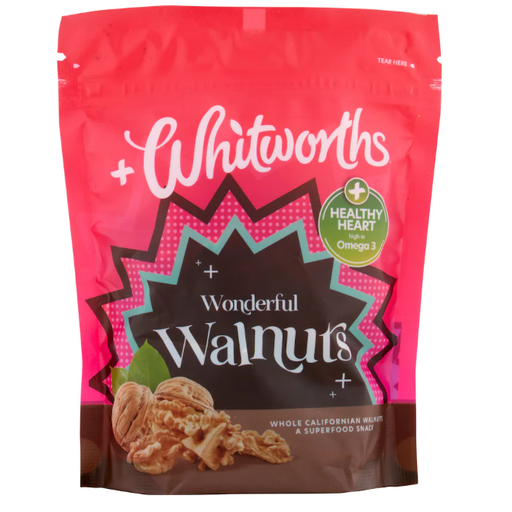
Why This Fits Their Persona: A compact UK-labelled pack suits shoppers who want to try plain walnuts without committing to a large quantity.
The ingredients list is walnuts, making it easier to distinguish from biscuits with a low walnut percentage.
Provides per-25g and per-100g nutrition information; suitable for eating, chopping or adding to recipes.
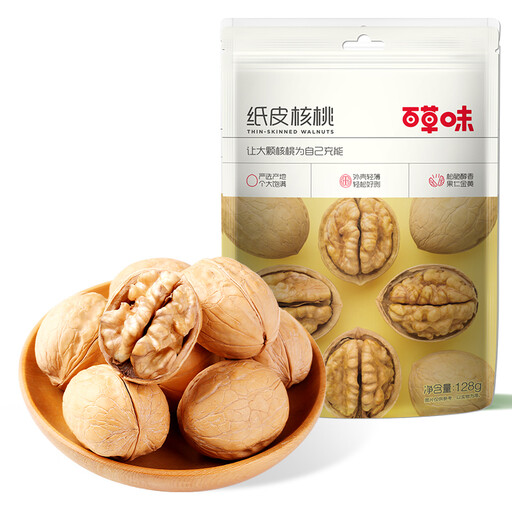
Why This Fits Their Persona: Paper-shell walnuts offer a more traditional whole-walnut experience for shoppers who value cracking and eating the kernels fresh.
The pack specifies thin shells and natural flavour with no additives, rather than implying quality through vague wording alone.
128g size; individually packed and ready to eat, with 74.9g fat and 10.6g protein per 100g listed.
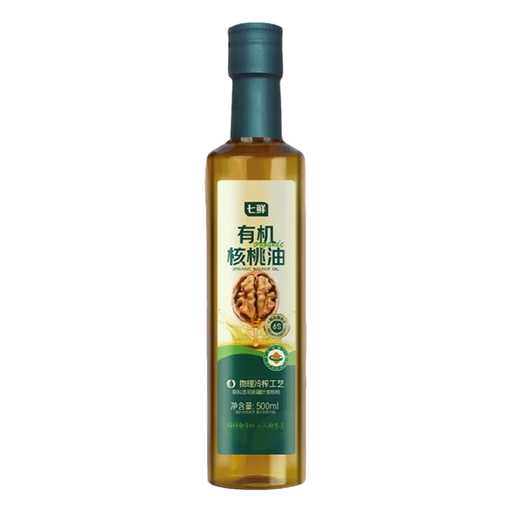
Why This Fits Their Persona: A 500ml bottle is suited to households that regularly prepare Chinese dishes, salad dressings or finishing drizzles.
The product is clearly positioned as walnut oil rather than a ready-to-eat snack, with usage and allergen information provided.
Cold-pressed walnut oil; suitable for stir-frying, dressings and drizzling, with walnut listed as the ingredient.

Why This Fits Their Persona: A mixed pack gives hosts and Chinese food enthusiasts three flavours to serve with tea or share with guests.
The flavour-specific walnut percentages are stated, helping buyers distinguish the confectionery from plain walnuts.
500g mixed packaging; includes Original, Black Sesame and Red Date flavours; ready to eat.
We have compiled a complete, real-time list of products that fully satisfy these strict selection criteria and UK safety regulations.
Plain walnut snacks and products containing tree nuts may not be permitted in schools because of allergy policies. Check your child’s school guidance before packing them. Also follow the choking warning on the label, particularly for young children. Individually wrapped red date and walnut snacks may be convenient, but they still contain walnuts and should not be treated as allergen-free.
The practical storage life depends on the packaging, temperature and exposure to air. Keep walnuts sealed in a cool, dry place and follow the pack’s instructions. If the kernels smell stale, bitter or oily, or show signs of mould, discard them. Buying a smaller pack can reduce waste if you only eat walnut snacks occasionally.
They can provide walnuts, but they are confectionery products and may also contain maltose syrup, sugar, flour or oils. Check the per-100g nutrition panel and serving size. For a less sweet option, choose plain walnuts or walnut kernels; for tea time, compare the walnut percentage and sugar content of each cake, biscuit or cookie before buying.