
24/7 Customer Support

Free returns

Same-day & Next-day Delivery

Quality Guaranteed

Unlock Your Welcome Offers: FREE Delivery | Up to 80% OFF | Free 30-day JoyPlus trial
Download the APP
Living in a space-conscious home, whether it's a city flat, a student dorm or a new-build, often means facing the daily challenge of an overflowing wardrobe. The search for effective wardrobe storage solutions can be frustrating, leading many to purchase items that promise order but deliver only disappointment. Before you invest in another solution that fails to last, it's important to understand the common issues that can turn a hopeful purchase into a wobbly, cluttered mess.
Many affordable storage options look great online but have design flaws that become apparent only after a few weeks of use. Being aware of these pitfalls is the first step toward making a smarter choice.
fabric wardrobe or portable clothes rail is instability. Many are built with thin metal tubes and weak plastic connectors that can't handle the weight of a few winter coats, causing the entire structure to lean, bend or even collapse.hanging wardrobe organiser seems like a brilliant piece of space saving storage, but many rely on a single, narrow hook-and-loop strap. When loaded with jumpers or jeans, this single point of failure causes the organiser to sag, tilt and spill its contents, creating more disorganisation than it solves.To avoid these issues, focus on a few key technical details. These non-negotiable specifications are what separate a durable product from one destined for the landfill.
For any freestanding wardrobe or garment rack with shelves, the frame is its skeleton. Look for products that specify the material and dimensions. A sturdy option will often feature steel tubes with a diameter of at least 1.5 cm. Equally important are the joints; reinforced plastic connectors are designed to provide a tight, stable fit that resists wobbling and can support a heavier load over time.
Manufacturers of reliable products will state the maximum load capacity. For a fabric wardrobe, a capacity of 10 kg to 15 kg per hanging rail is a good indicator of strength. For closet hanging shelves, check the total weight limit (e.g., 10 kg total) and look for designs that use dual metal hooks or a wide, secure fastening strap to distribute the weight evenly across the wardrobe rail, preventing tilting.
Beyond the frame, consider the materials. A good clothes storage organiser will use durable, non-woven fabric that resists tearing. If you're considering a covered unit, check for sturdy zips and tie-backs that allow you to keep the doors rolled up for easy access. For maximum efficiency, look for models with extra features like side pockets for small accessories or lower shelves for shoes and boxes.
Based on these practical criteria, we've identified several products that are well-suited for different needs and living situations in the UK.

Why This Fits Their Persona: This large-capacity fabric wardrobe is an ideal temporary wardrobe for those in dorms or rental properties. It requires no tools for assembly and can be easily dismantled when it's time to move, offering a practical solution without the commitment of permanent furniture.
It directly counters the "buckling frame" pitfall by using robust 1.5 cm diameter steel tubes and reinforced plastic joints. Each of the four hanging rods is rated to hold up to 15 kg.
Offers highly versatile storage with four hanging rails, multiple shelves for folded items and four side pockets for small accessories. It's a complete organisation system in one package.
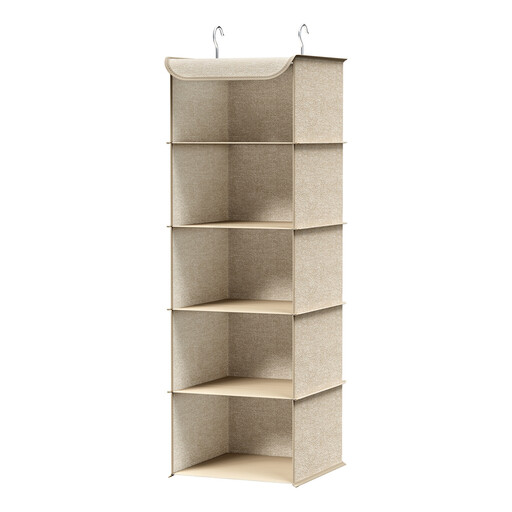
Why This Fits Their Persona: For those in compact flats, floor space is precious. This hanging wardrobe organiser makes use of under-utilised vertical space inside an existing closet, adding shelves for folded clothes, shoes or bags without taking up another inch of the room.
It solves the "sagging organiser" problem with a superior design. It features dual metal hooks and a sturdy metal top frame that distributes weight evenly, preventing tilting and ensuring stability.
The shelves are reinforced with 2 mm thick cardboard and bamboo inserts, allowing each to support up to 2 kg. The entire unit is foldable, making it easy to store or move.
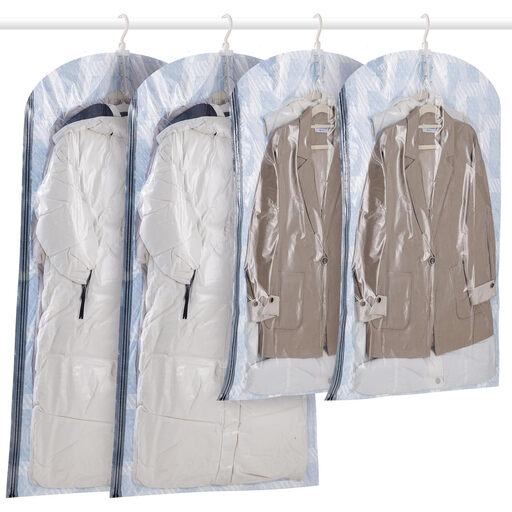
Why This Fits Their Persona: Storing bulky duvets, winter coats and seasonal clothing is a major challenge. These clothes compression bags are a clever solution, reducing the volume of textiles by up to 80% and protecting them from dust and moisture while in storage.
Instead of just cramming items into a box, this system actively reduces their size and keeps them organised. The durable PA and PE material blend prevents punctures and ensures a long-lasting vacuum seal.
The unique five-ring hook design allows you to hang the compressed bags directly on a wardrobe rail, keeping items accessible and off the floor, unlike traditional vacuum bags that must be stacked.
We have compiled a complete, real-time list of products that fully satisfy these strict selection criteria and UK safety regulations.
This varies significantly by model, which is why checking the specifications is crucial. A lower-quality unit may struggle with more than a few kilograms. However, a well-constructed fabric wardrobe with a steel frame will often specify a load capacity of 10 kg to 15 kg per hanging rail, which is sufficient for a standard collection of shirts, trousers and a few heavier coats.
The primary cause of tilting is a single, narrow fastening point. To prevent this, choose a hanging wardrobe organiser that features two separate hooks or a very wide strap that wraps securely around the rail. Additionally, always distribute weight evenly across the shelves, placing heavier items like jeans or shoes on the lower levels.
While often seen as a temporary wardrobe solution for students or renters, a high-quality fabric wardrobe can last for several years with proper care. The key is selecting one with a robust frame, durable non-woven fabric and reliable zips. Ensuring good air circulation in the room can also help maintain the condition of the clothes inside.