
24/7 Customer Support

Free returns

Same-day & Next-day Delivery

Quality Guaranteed

Unlock Your Welcome Offers: FREE Delivery | Up to 80% OFF | Free 30-day JoyPlus trial
Download the APP
Wasabi snacks and condiments can range from sharp, nose-tingling pastes to lightly seasoned crisps and savoury dipping sauces. The challenge is that a bold green colour or the word “wasabi” on the front of a packet does not always indicate a high proportion of wasabi root.
Before buying Japanese wasabi snacks, wasabi peas, wasabi rice crackers or a wasabi sauce, check what you are actually getting, how much you will use and whether the ingredients suit your diet. This guide explains the main buying traps and highlights practical options for snacking, sushi nights, lunchboxes and home cooking.
Many shelf-stable products use a combination of horseradish, mustard, flavourings and a small amount of wasabi powder. This is not necessarily a problem, but it creates a different flavour from freshly grated wasabi.
A wasabi paste may be designed for convenience rather than a high percentage of genuine wasabi. Similarly, wasabi crisps and wasabi peas often use seasoning blends that include sugar, salt, starches and flavour enhancers. Read the ingredient list if the source of the heat matters to you.
A large bag is not always economical if the product is intended to be eaten in small portions or loses its crunch quickly after opening. Conversely, small individual packs can cost more per 100g but may reduce waste and work well for lunchboxes.
Compare the net quantity, price per 100g or 100ml and storage instructions. A 455ml bottle of wasabi sauce, for example, makes sense for regular cooking, while a smaller bottle may suit occasional sushi meals.
Japanese and Asian snacks commonly contain soya, wheat, sesame, mustard, peanuts or milk. Wasabi products may also contain horseradish and mustard, which can be relevant to people managing allergies.
Always check the current UK label rather than relying only on online descriptions. Look for the legally emphasised allergen information, precautionary statements such as “may contain”, nutrition details and any vegetarian or vegan suitability statement.
Check whether the product contains wasabi powder, wasabi paste, wasabi flavouring or horseradish. A sauce combining chilli and wasabi will taste different from a traditional sushi paste. Sriracha wasabi sauce generally brings garlic, sweetness and chilli heat alongside the sharper wasabi-style kick.
For a milder introduction, choose rice crackers, seaweed snacks or a small amount of paste. If you enjoy spicy Asian snacks, wasabi peas and seasoned nuts usually provide a more concentrated crunchy coating.
For snacks, texture is part of the experience. Rice crackers, wasabi crisps and seaweed snacks should be sealed well after opening to limit moisture absorption. Individual packs can help maintain crispness and make portioning easier.
For cooking, texture is less important than format. Wasabi paste mixes into mayonnaise, dressings and marinades, while wasabi seasoning can be sprinkled over rice, noodles, salads or avocado toast. A concentrated Japanese dipping sauce may need dilution or careful portioning, so read the preparation guidance.
Sauces can contain considerably more salt and sugar per 100ml than dry snacks. For example, the listed nutrition information for Flying Goose Sriracha Chilli Sauce Wasabi shows 7.5g of salt and 24g of sugar per 100ml. Daisho Noodle Dipping Sauce Wasabi Flavour lists 9.9g of salt per 100g.
These figures do not determine whether a product suits you, but they help you compare products and control serving size. Check refrigeration instructions too: several opened sauces and pastes require chilled storage and prompt consumption.
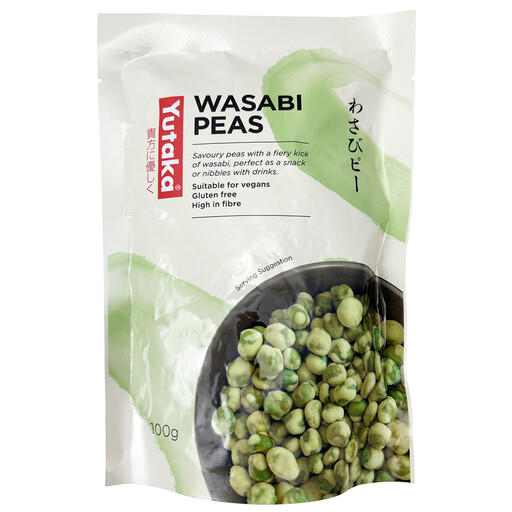
Why This Fits Their Persona: A straightforward way to try wasabi peas without committing to a large multi-pack. The 100g bag suits casual snacking, sharing or adding crunch to noodle bowls.
The listing identifies wheat and soya allergens and gives storage guidance, making the purchase easier to assess than relying on front-of-pack heat claims.
Ready to eat; suitable for use as a crunchy topping; made in Japan according to the product listing.

Why This Fits Their Persona: Suits shoppers looking for layered flavour rather than heat alone, with potato crisp texture, wasabi seasoning and nori seaweed umami.
The ingredient list specifies wasabi powder and identifies wheat and soya, helping you distinguish a seasoned crisp from a product made with fresh root.
100g sharing format; ready to eat; can also be crushed over salads, rice bowls or soups.
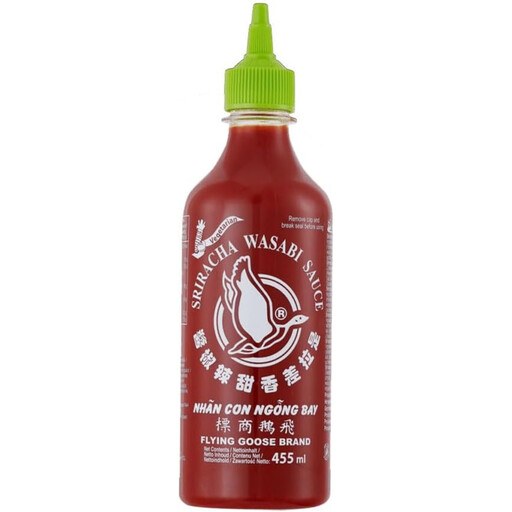
Why This Fits Their Persona: A larger bottle for shoppers who regularly use spicy condiments with sushi, seafood, eggs, burgers, noodles or dipping plates.
The listing states 4% wasabi paste and identifies soya, salt and sugar information, so the chilli-and-wasabi profile is clear before purchase.
455ml format; listed as vegan and gluten-free; refrigerate after opening and consume within 60 days according to the product information.
We have compiled a complete, real-time list of products that fully satisfy these strict selection criteria and UK safety regulations.
It depends on the product. Some sauces and seaweed snacks are listed as vegan-friendly, while other rice crackers may contain milk or other animal-derived ingredients. Check the current packaging, particularly for flavourings, whey, fish-related ingredients and allergen statements.
Many products require refrigeration after opening. Follow the label rather than assuming ambient storage is suitable. Close tubes and bottles securely, keep them chilled where instructed and observe the manufacturer’s consumption guidance.