
24/7 Customer Support

Free returns

Same-day & Next-day Delivery

Quality Guaranteed

Unlock Your Welcome Offers: FREE Delivery | Up to 80% OFF | Free 30-day JoyPlus trial
Download the APP
Wasabi snacks can range from gently savoury to sharply spicy, but the flavour description on the front of the packet does not always tell the full story. A product labelled “wasabi” may contain wasabi powder, horseradish, mustard flavouring or a blend of seasonings. Pack sizes also vary considerably, making it easy to pay more for less or buy a snack that does not suit your dietary needs.
Whether you want wasabi peas for drinks, Japanese rice crackers for a lunchbox or seaweed crisps for a lighter-feeling snack, check three details before adding anything to your basket.
Many ready-to-eat snacks use a seasoning blend rather than a large quantity of wasabi root. Ingredients may include wasabi powder, horseradish, mustard, sugar, flavour enhancers and colourings. This is not necessarily a problem, but it affects the flavour profile and allergen suitability.
If you prefer a clean, sharp heat, look for wasabi or horseradish near the start of the seasoning list. If it appears near the end, the snack may be more savoury or sweet than pungent.
Wasabi peas, wasabi peanuts and coated rice crackers often contain wheat, soya, mustard or sesame. Even products that appear to be simple vegetables, nuts or rice may have a flour-based coating or soya sauce seasoning.
UK food businesses must provide allergen information, but recipes and packaging can change. Always read the current label, particularly if you have an allergy or are buying for someone else. “May contain” statements refer to possible cross-contact and should not be ignored.
A 35g or 50g bag can be useful for portion control, but it may offer less value for sharing. Conversely, a 500g bag may be economical for an office or party but less convenient if you want to keep snacks crisp.
Compare the net weight, number of individual packs and storage instructions. Resealable packaging is useful, although an opened bag can still soften in humid kitchen air.
“Wasabi flavour” can describe anything from a mild, tingling seasoning to a strong mustard-and-horseradish kick. Product descriptions can help, but the ingredient list provides a more practical comparison.
For first-time buyers, a smaller pack lets you assess the heat without committing to a large quantity.
Do not assume that rice-based or seaweed-based snacks are gluten-free. For example, some rice crackers contain soya sauce made with wheat, while coated nuts may include wheat flour. Conversely, some products are described as naturally gluten-free, but the packaging remains the final reference.
Those seeking vegetarian or vegan snacks should check for milk powder, whey, butter, fish-derived flavourings and other animal ingredients. O’Food Seaweed Chip Wasabi is described as vegetarian and vegan-friendly in its product information, but its listed ingredients contain wheat, soya and mustard. This illustrates why dietary suitability requires checking the full label rather than relying only on the snack category.
Individual portions suit desk drawers, lunchboxes and party bowls, while larger resealable bags work better for regular snackers. Once opened, close the packaging tightly and store it in a cool, dry place away from direct sunlight and moisture. Seaweed snacks generally need to be eaten soon after opening to retain their crisp texture.
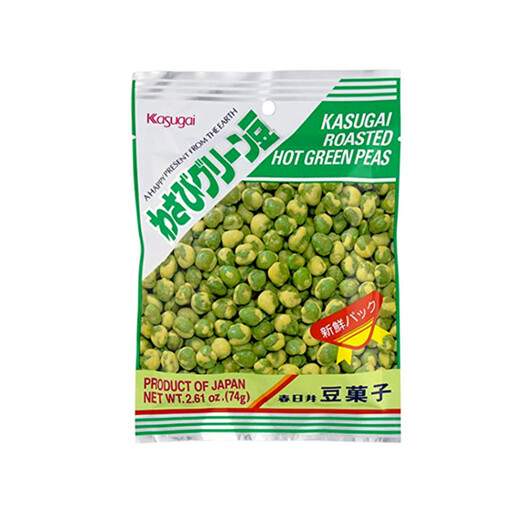
Why This Fits Their Persona: The 67g format offers a manageable introduction to crunchy wasabi peas for shoppers who want to try a Japanese snack without buying a large bag.
The listed ingredients identify dried wasabi powder, while the 67g weight makes the purchase easier to assess before moving to a multipack.
Green pea base; compact ready-to-eat pack. Contains wheat and soya, so check the label before purchase.
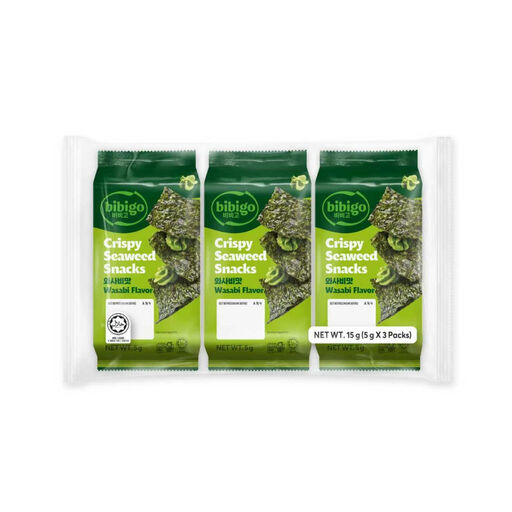
Why This Fits Their Persona: Three individually packed portions suit careful snack planning, lunchboxes and serving alongside rice or noodles.
Individual 5g packs reduce the need to repeatedly reopen one large bag, helping protect the crisp texture.
Laver-based seaweed snack; three portioned packs. Contains soya and may contain milk and sesame.

Why This Fits Their Persona: A 140g bag is practical for sharing with drinks, placing in an office snack cupboard or adding to a party platter.
The product clearly lists peanuts, wheat, soya and mustard, making the principal allergen checks straightforward before serving.
140g net quantity; roasted peanut centre with a crispy coating. Not suitable for people avoiding peanuts, wheat, soya or mustard.
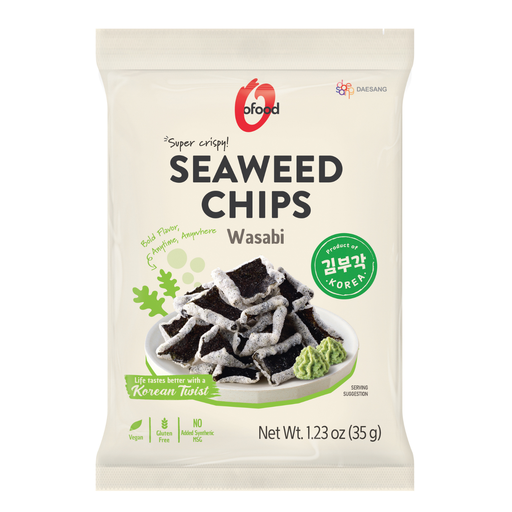
Why This Fits Their Persona: The small seaweed chip format suits shoppers seeking a plant-based, Korean-inspired snack with rice-based crunch.
The product information specifies 11% dried seaweed and 10% wasabi seasoning powder, rather than relying only on front-of-pack flavour wording.
Product information describes it as vegetarian and vegan-friendly; contains wheat, soya and mustard.
We have compiled a complete, real-time list of products that fully satisfy these strict selection criteria and UK safety regulations.
Heat varies by recipe and serving size. Wasabi peas and heavily coated nuts can taste more concentrated than thin seaweed snacks or lightly seasoned rice crackers. If you prefer moderate heat, choose a smaller pack first and check whether the seasoning includes mustard, horseradish or chilli.
Some may be suitable for a gluten-free diet, but many contain wheat flour or soya sauce made with wheat. Do not rely on the words “rice snack” or “seaweed snack” alone. Check the allergen statement and the current packaging for gluten-containing cereals.
Keep unopened and opened packs in a cool, dry place away from moisture and direct sunlight. Reseal larger bags after serving. Individual seaweed portions should be eaten shortly after opening, as air exposure can make them lose their crispness. Always follow the best-before information printed on the packet.