
24/7 Customer Support

Free returns

Same-day & Next-day Delivery

Quality Guaranteed

Unlock Your Welcome Offers: FREE Delivery | Up to 80% OFF | Free 30-day JoyPlus trial
Download the APP
As a Joybuy Product Recommendation Officer, I often see shoppers navigate the world of pantry staples. One item that frequently comes up is washed moong dall. A cornerstone of Indian dal and a fantastic source of plant-based protein, it should be a simple purchase. Yet, many home cooks in the UK face common frustrations that can turn a simple, comforting meal into a culinary disappointment.
Before you add a pack to your basket, it’s worth understanding the subtle pitfalls that separate a quality bag of lentils from one that will only cause trouble. Many shoppers find themselves wasting money on products that suffer from these three common issues:
To ensure you get the creamy, flavourful results you expect, focus on a few key parameters. These are the non-negotiable checks that help you see past the marketing and choose a product that performs well in the kitchen.
Washed moong dall, also known as split yellow mung beans or huskless mung beans, are mung beans that have had their green skin removed and have been split. The "washed" part refers to the polishing process that removes residue.
This is the secret to achieving that perfect, even-cooked texture. When lentils are of a consistent size, they cook at the same rate.
How your lentils are packed is crucial for maintaining freshness and flavour.
Based on these practical criteria, we've matched some reliable pantry staples to different types of home cooks.
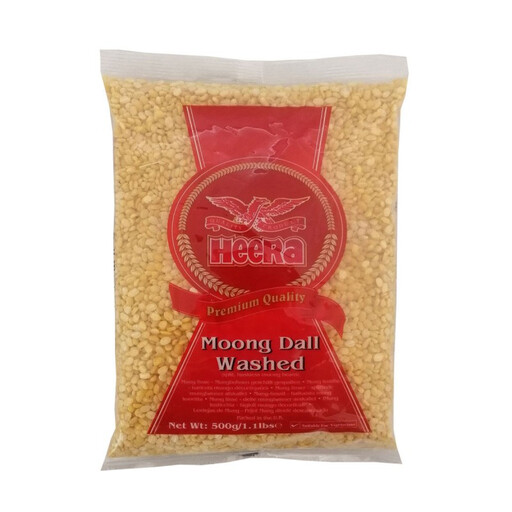
Why This Fits Their Persona: This user wants a reliable, no-fuss product for traditional recipes like tadka dal or moong dal cheela. Heera moong dall is a trusted name in many UK kitchens, known for its quality and authentic taste profile. The 500g pack is ideal for regular use without risking staleness.
It addresses the inconsistent cooking trap with its uniformly sized lentils. Being properly pre-washed, it also minimises the cloudiness and grit that can plague lesser-quality dals.
Conveniently pre-washed to save prep time. Cooks down to a consistently creamy texture, perfect for classic Indian dal.
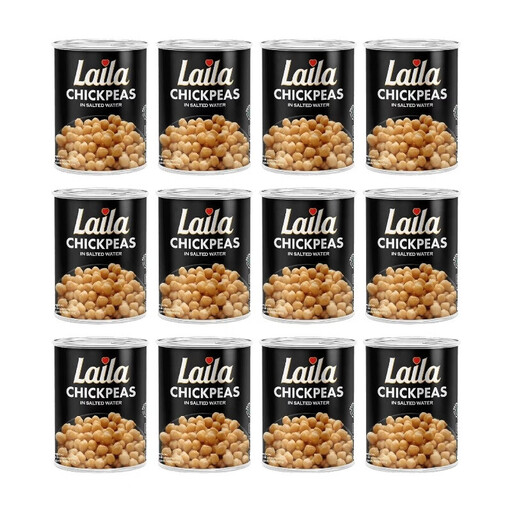
Why This Fits Their Persona: This user prioritises convenience and nutrition. They need reliable sources of plant-based protein for salads, curries and quick meals. A bulk pack of canned chickpeas is a perfect pantry-filler, offering portion-controlled, ready-to-use ingredients for the week.
It completely eliminates the cooking time and washing pitfalls. Each can provides a perfectly cooked, consistent product every time, removing all guesswork from meal prep.
Maximum convenience with zero prep time. High in fibre and a source of protein, making it an easy addition to a balanced diet.
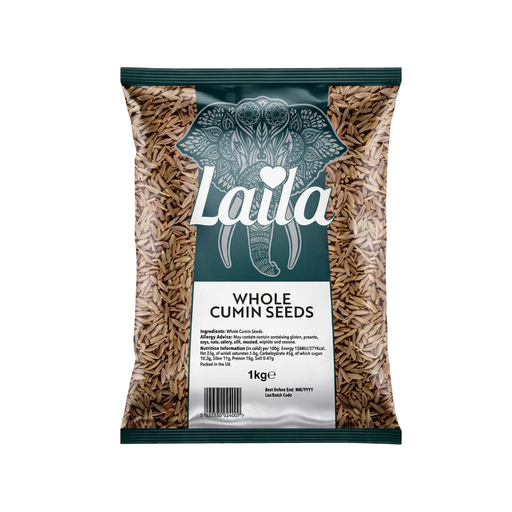
Why This Fits Their Persona: This cook knows that a great dal is as much about the spices as the lentils. They are building a pantry of core ingredients. Buying whole cumin seeds in a 1kg bag is far more economical and ensures a fresher, more potent flavour when toasted and ground as needed.
This tackles the freshness gamble head-on. Buying whole spices in a large, well-sealed pack and storing them correctly provides superior flavour and longevity compared to small jars of pre-ground powder.
Excellent value for money for a foundational spice. Whole seeds retain their aromatic oils for a much longer time, delivering maximum flavour.
We have compiled a complete, real-time list of products that fully satisfy these strict selection criteria and UK safety regulations.
Yes, a quick rinse under cold running water is always recommended. This helps to remove any light surface starch or dust that may have settled during packing and transport. It ensures a clearer, cleaner-tasting dal and only takes a moment. It simply saves you from the intensive scrubbing that unwashed lentils require.
The most effective method is to soak the lentils. Cover them with cold water and let them sit for at least 30 minutes, or up to a couple of hours, before cooking. Drain the soaking water and use fresh water to cook. Soaking not only speeds up the cooking time but also helps in achieving a smoother, creamier final texture.
Although they appear similar, they are from different plants and have distinct characteristics. Washed moong dall is made from split mung beans. It has a mild, slightly earthy flavour and breaks down easily to create a creamy, thick soup or dal. Yellow split peas are derived from field peas, possess a stronger, more distinct flavour and generally take longer to cook. They tend to hold their shape more than moong dal, making them unsuitable as a direct substitute in many traditional Indian recipes.