Small-home bath-mat washers
When a separate tumble dryer is impractical, one appliance must fit the available space and provide enough drying capacity for the mats you intend to wash.


Choose a washer-dryer only after checking that each bath mat permits machine washing and, separately, tumble drying. If space is tight, measure the installation position and delivery route before comparing capacities; if you wash thick or multiple mats, plan a continuous cycle around the smaller drying or wash-and-dry capacity, not the wash-only figure. A shallow model may fit where a deeper one will not, but its stated drying limit still matters.
When a separate tumble dryer is impractical, one appliance must fit the available space and provide enough drying capacity for the mats you intend to wash.
A mat load that fits the washing limit may exceed the smaller drying limit. Compare wash-and-dry capacity with the loads you plan to dry, and allow for splitting them.
If a mat has non-slip backing, deep pile or uncertain fibres, check its own washing and drying instructions before choosing an appliance programme. Marks & Spencer identifies machine washability as a characteristic of particular bath mats, not every mat.
Decide whether the appliance can fit and whether your mats can use its drying function before comparing load figures. A slimmer cabinet and a larger combined-cycle capacity address different constraints.
Consider when: Recess or access-route depth is the main obstacle. Samsung UK lists the WD90DG5G34BEEU at 480 mm deep, with 9 kg washing and 5 kg drying capacities.
Trade-off: Its 5 kg drying limit still applies to a continuous load, and the cabinet measurement alone does not establish installation clearance.
Consider when: A deeper appliance fits and you need more drying allowance. Bosch UK lists the WNG254R1GB at 590 mm deep, with a 6.0 kg maximum wash-and-dry load.
Trade-off: Its 10.5 kg wash-only capacity is not the amount you can leave in the drum for a full wash-and-dry cycle.
| Concern | What to check | Who this matters to |
|---|---|---|
| Appliance fit | Measure the recess, doors and access route; compare them with the exact model dimensions and installation instructions. | If the machine cannot pass through the doorway or fit its position, its capacity will not help me. Around 42% of consumers put physical fit first. |
| Drying capacity | Use the stated drying or maximum wash-and-dry limit for a continuous cycle, and split loads when needed. | With several absorbent mats, I need enough room for the drying stage rather than just the wash. For around 33% of consumers, drying capacity is the primary concern. |
| Mat care | Check each mat’s wash instructions and tumble-dry permission separately, particularly when it has non-slip backing. | I do not want to put a machine-washable mat through a drying programme its label rules out. Mat-care compatibility comes first for around 25% of consumers. |
Those figures can differ substantially: Bosch UK specifies 10.5 kg for washing but 6.0 kg for a wash-and-dry cycle on the WNG254R1GB.
Plan the load against the relevant drying figure and divide bulky mat loads if necessary.
Splitting a load can mean running an additional cycle and spending more time on laundry.
A machine-washable designation does not establish a mat’s permitted drying method. Marks & Spencer also lists bath mats with non-slip backing, making the individual product instructions important.
Read the mat’s care label for the permitted wash temperature, programme and drying method before using a combined cycle.
For example, Samsung UK lists the WD90DG5G34BEEU at 480 mm deep, while Bosch UK lists the WNG254R1GB at 590 mm. Neither cabinet depth alone confirms that a machine can be delivered and installed in your space.
Measure the full access route and installation position, then check the instructions for the exact model.
A washing-cycle rating does not describe the same use as washing and then drying bath mats in the appliance.
Compare the energy label and product information for the cycle you expect to use, keeping washing and combined wash-and-dry figures distinct.
Samsung UK lists the WD90DG5G34BEEU as a 9 kg wash/5 kg dry washer-dryer measuring 600 × 850 × 480 mm, making its stated depth relevant to a shallow installation.
Bosch UK specifies 10.5 kg washing and a 6.0 kg maximum wash-and-dry load for the WNG254R1GB, which measures 848 × 598 × 590 mm.
Beko UK positions the BMM5DFO5741 for smaller kitchens and states 7 kg washing and 5 kg drying capacities.
Hotpoint UK lists the NDB 9635 W UK with a 9 kg wash/6 kg dry configuration as another capacity reference.
These combined appliances offer stated wash and dry capacities for planning bath-mat loads. Compare the exact model’s dimensions with your home, and use a drying programme only if the mat’s care instructions permit it.
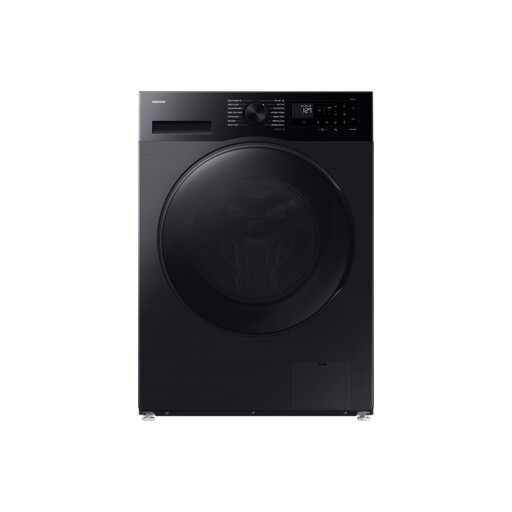 No image available
Consider this combined appliance if its dimensions suit the installation position and your mats permit tumble drying.
The product title states 11 kg washing and 6 kg drying capacities; use the smaller figure when planning a continuous load.
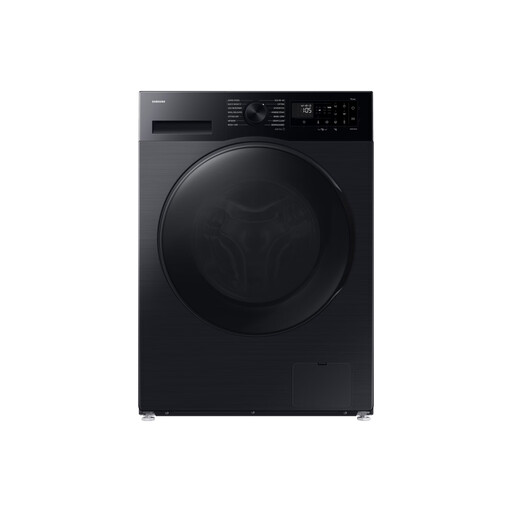 No image available
Consider this model for a combined wash-and-dry load if it fits the available space and the mat labels permit both stages.
The product title states 9 kg washing and 6 kg drying capacities. Check this exact variant’s dimensions rather than applying measurements for the differently named WD90DG5G34BEEU.
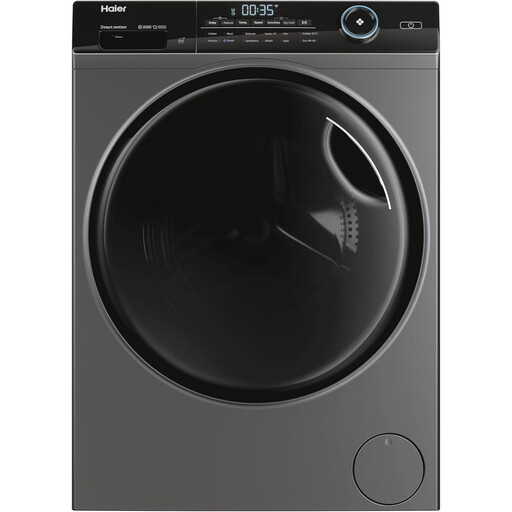 No image available
This combined appliance may suit a home where separate machines are impractical, provided its installation dimensions work for the space.
The product title states 8 kg washing and 6 kg drying capacities. Check each mat’s drying instructions before selecting a combined cycle.
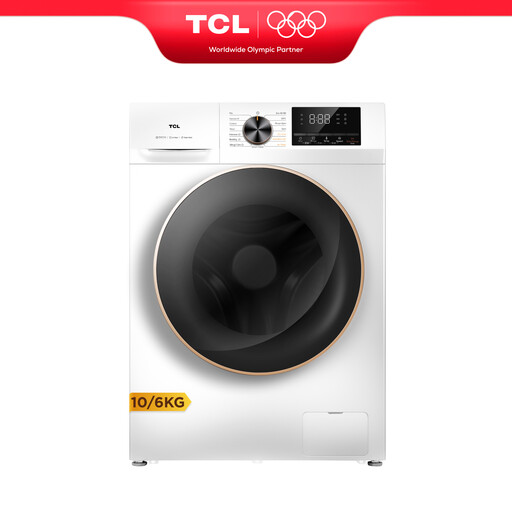 No image available
Consider this combined appliance only after checking that its dimensions and installation requirements suit the available space.
The product title states 10 kg washing, 6 kg drying and a 1400 rpm spin speed. The drying limit does not establish whether an individual mat may be tumble dried.
No: permission to machine wash a mat does not by itself permit tumble drying. Check that mat’s care label or manufacturer instructions for both stages before selecting a combined cycle, especially if it has non-slip backing.
Only if the load also stays within the model’s lower drying or maximum wash-and-dry limit and the mats permit tumble drying. Bosch UK, for example, specifies 10.5 kg for washing but 6.0 kg for a wash-and-dry cycle on the WNG254R1GB; reduce or split a larger load before drying.
Beko says its freestanding washer-dryer range uses ventless condenser drying, so those models do not need an externally vented hose. They still need the water, drainage, power and flooring conditions Beko specifies; check the installation manual for the exact machine you choose.
Compare the energy information for combined washing and drying, rather than treating a washing-only rating as the result for both stages. Check the label and product information for the exact model and cycle you expect to use.