Families managing mixed loads
If pillowcases usually go in with sheets, towels or clothing, compare both capacities: a load that fits the wash cycle may be too large to dry without removing some items.


For regular family laundry, choose a washer-dryer by the amount you need to wash, but plan any uninterrupted wash-and-dry load around its smaller complete-cycle capacity. If pillowcases go in with sheets or towels, check whether you would split the load before drying; then compare the complete-cycle label figures and measure the installation space, including hose and door clearance.
If pillowcases usually go in with sheets, towels or clothing, compare both capacities: a load that fits the wash cycle may be too large to dry without removing some items.
A single washer-dryer may fit where two appliances would not, provided its depth, door swing, water and drainage connections work in the intended position.
A short combined programme can be useful for a few items. Check its permitted load rather than assuming it can wash and dry a full family load in the same time.
Decide how much of each family wash you intend to machine-dry, then check whether a freestanding or integrated model fits your space. Compare energy-label figures for the cycles you will actually use.
| Concern | What to check | Who this matters to |
|---|---|---|
| Wash and dry capacity | Compare wash capacity with complete wash-and-dry capacity in kg. Plan to split or air-dry any load above the drying limit. | If pillowcases share a wash with the family’s bedding and clothes, I want to know how much can go straight through to drying. Around 33% of consumers put that throughput first. |
| Space and installation | Choose freestanding or integrated construction, then measure depth, hose space and door clearance against the exact model’s instructions. | With room for only one appliance, I need it to fit and connect where the laundry happens; around 25% of consumers make fit their main concern. |
| Complete-cycle energy and water | Compare complete-cycle and wash-only label figures separately, including energy use and water consumption on the same cycle basis. | When I expect to machine-dry bedding regularly, I want to compare the resources used by a complete cycle, not just a wash. This is the primary concern for around 25% of consumers. |
| Small loads and upkeep | Check the load limit of a quick combined programme and the exact model’s pump-filter cleaning instructions. | If I sometimes need a few pillowcases ready promptly, I value a suitable small-load programme and manageable upkeep; around 17% of consumers prioritise these needs. |
Bosch UK lists 10.5 kg washing and 6 kg wash-and-dry capacity for the WNG254R1GB. A full wash load therefore exceeds that model’s complete-cycle limit.
Use the complete-cycle capacity to plan loads you want dry immediately; split a larger wash or air-dry some items.
UK washer-dryer labels distinguish the washing cycle from the complete wash-and-dry cycle. A wash-only figure does not describe a load you also dry in the machine.
Compare complete-cycle energy use, water consumption and capacity for machine-dried loads, and wash-only figures for loads you will dry elsewhere.
Published model depths differ: Bosch UK specifies 590 mm for the WNG254R1GB, while AEG UK specifies a maximum depth of 660 mm for the LWR7416U6UD. Hoses and the opening door also need room.
Measure the route into the room and the final position, then check the exact installation instructions before ordering.
Beko UK advises that a clogged pump filter can cause drainage problems, which may interrupt a bedding wash.
Find the filter and its cleaning interval in your model’s manual; follow the maker’s safety instructions before opening it.
The freestanding WNG254R1GB is a useful model-specific reference for comparing a larger family wash load with a smaller complete-cycle load.
The LWR7416U6UD provides a reference for a 10 kg/6 kg freestanding machine with a small-load combined programme.
The B5D510645U illustrates why quick combined-cycle claims need to be read alongside the programme’s load limit.
The Joybuy listing for the CP1210WA0 provides another model-specific 10 kg/6 kg freestanding capacity reference.
These freestanding and integrated washer-dryers offer different ways to fit family laundry into one appliance. Compare each model’s wash capacity with its smaller drying capacity, and choose the installation type that suits your home.
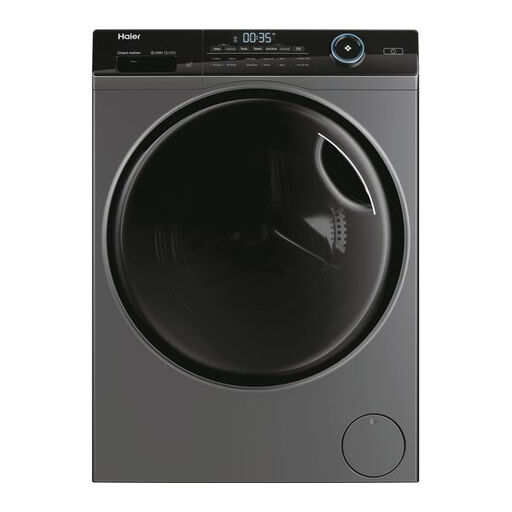 No image available
For family washes that include pillowcases, its stated 10 kg wash and 6 kg dry capacities mean larger washed loads need splitting or partial air-drying before the drying stage.
Freestanding; the title lists A/D energy classes. Check the complete-cycle label figures and allow for hoses and door clearance when measuring the space.
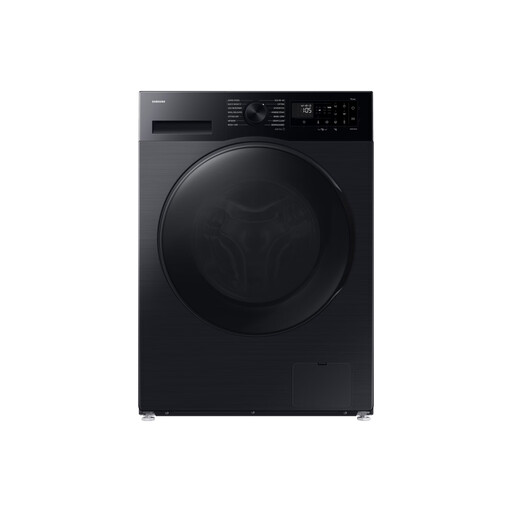 No image available
For households considering a 9 kg family wash load, the stated 6 kg drying capacity still calls for a smaller load when washing and drying continuously.
Freestanding; the title lists A/D energy classes. Compare the complete-cycle label figures and check installation clearances for the exact model.
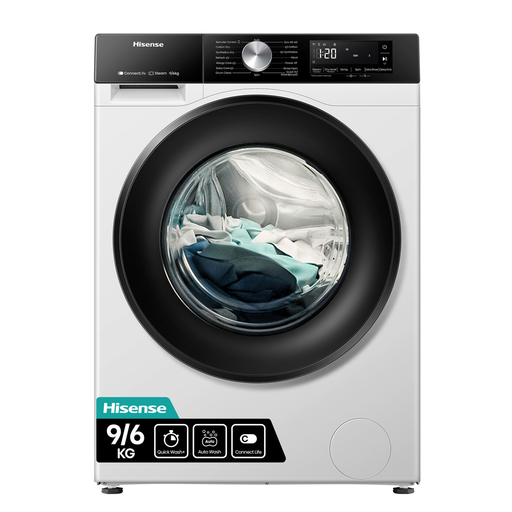 No image available
For mixed family laundry, the stated 9 kg wash and 6 kg dry capacities make the drying limit the figure to use for an uninterrupted cycle.
Check complete-cycle label figures and the space required for hoses and the door before choosing an installation position.
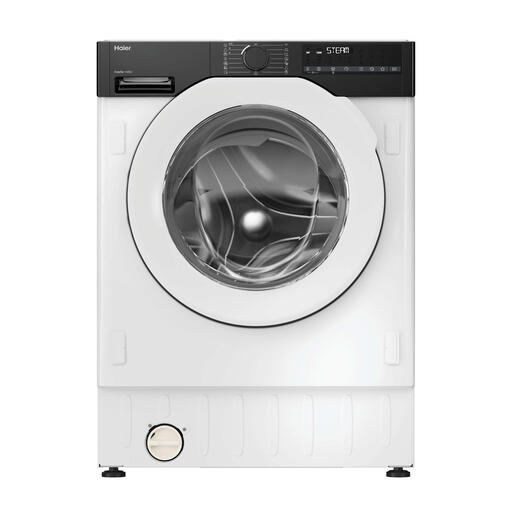 No image available
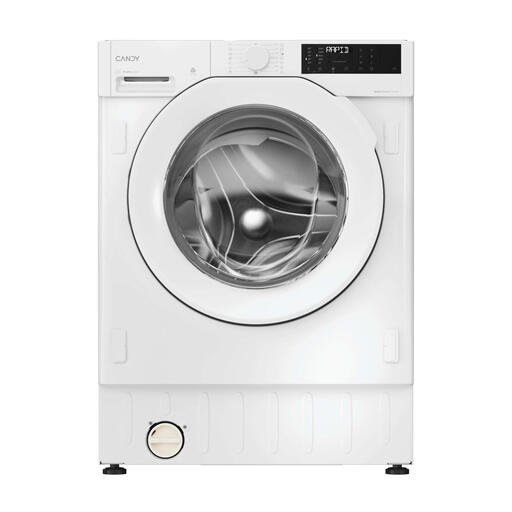
For a fitted kitchen that requires an appliance behind a cabinet door, this integrated model states 9 kg washing and 6 kg drying capacity; split a larger wash before drying.
The title lists 1600 rpm. Confirm the cabinet opening, door compatibility, installation clearances and complete-cycle label figures for this model.
 No image available
For a kitchen where the machine must sit behind a cabinet door, this integrated model states 9 kg washing and 6 kg drying capacity; keep a continuous load within the drying limit.
The title lists 1400 spin. Check the exact cabinet and door fit, and compare the complete-cycle energy and water figures on the model’s label.
Use the complete wash-and-dry capacity for a load you want dried without unloading. Bosch UK’s WNG254R1GB, for example, is specified for 10.5 kg washing but 6 kg wash-and-dry, so a full wash load would need splitting before drying.
Compare the complete-cycle figures when you expect to use the dryer, and the separate washing-cycle figures for loads you will dry elsewhere. UK energy-label documentation distinguishes their efficiency ratings, energy use, rated capacities and water consumption; a single letter does not describe both uses.
Check the exact model’s dimensions and installation instructions against the available space and connections. Bosch UK’s guidance describes a cold-water supply, suitable drainage, unkinked hoses and a level appliance; also allow room for the door and rear connections.
Follow your model’s manual for the cleaning interval and safe access procedure. Beko UK recommends monthly cleaning for its guidance and advises checking more often where pet hair or heavily soiled laundry is common.