Families washing aprons with everyday laundry
If cooking, craft or school aprons go into mixed household loads, compare the washing limit with the smaller limit for washing and drying in one continuous cycle.


For a family that wants washable aprons dried straight after washing, choose a washer-dryer by its wash-and-dry capacity, not just its larger wash capacity. Check that the apron care labels permit the intended programme, then compare the appliance’s installation requirements and energy information for the cycles you expect to use.
If cooking, craft or school aprons go into mixed household loads, compare the washing limit with the smaller limit for washing and drying in one continuous cycle.
If selected aprons need to be ready again quickly, check the continuous-cycle load limit and the conditions of any short programme. The apron’s care label still determines whether tumble drying is suitable.
If the washer-dryer must go beneath a worktop or into an existing laundry position, check its installation type, full dimensions, door clearance and connections alongside capacity.
Start with the load you want dry at the end of one cycle, then check apron care instructions and whether the exact appliance will fit. Energy information and upkeep help distinguish models that meet those requirements.
| Concern | What to check | Who this matters to |
|---|---|---|
| Family-load capacity | Compare washing capacity with the separate wash-and-dry limit in kg; plan continuous cycles around the latter. | When aprons accumulate alongside everyday laundry, I need room for the load without assuming it can all be dried at once. Around 31% of consumers put family-load capacity first. |
| Apron care and turnaround | Check each apron’s care label against the model’s temperature, spin and drying settings; check the load limit for short programmes. | If aprons need to be ready again soon, I want a suitable cycle without disregarding their fabric or trims. Apron care and turnaround come first for around 31% of consumers. |
| Fit and household noise | Measure the opening and access route, including depth and clearances; compare installation type and the stated noise figure on the same basis. | In a tight kitchen or near living space, I need the machine to fit and want to understand when it may be noisy. Around 23% of consumers make fit and noise their primary concern. |
| Energy and upkeep | Read the displayed energy label and product information sheet for the delivery location and intended cycles; review the model’s cleaning instructions. | With frequent washing and drying, I want to understand the relevant energy figures and routine care before choosing. Those ownership questions come first for around 15% of consumers. |
A larger wash load may exceed what the machine can dry in a continuous cycle, leaving items to be removed or dried separately.
Compare both capacities and size loads that need to finish dry against the wash-and-dry limit.
Fabric, coatings and trims can restrict temperature, spin or tumble drying. A short wash-and-dry programme may also allow only a small load.
Read the apron care label, then check the exact programme’s textile and load conditions in the appliance manual.
Models with similar capacity figures can have different depths, and the door, hoses and installation clearances need space too.
Measure the intended position and access route, then compare them with the exact model’s installation instructions.
Regular cleaning is part of using a washer-dryer, and replacing an appliance also means arranging what happens to the old one.
Check the new model’s maintenance instructions and arrange electrical-appliance collection or recycling through the retailer or your local authority.
These model examples illustrate specifications worth comparing; capacities, features and availability depend on the exact appliance.
Bosch Home UK lists WDU28569GB and WDU8H541GB washer-dryers with 10 kg washing and 6 kg wash-and-dry capacities.
AEG UK lists the LWX60966B with 9 kg washing and 6 kg drying capacities and model-specific drying options.
LG UK lists the FWY696WWLN1 as a 9 kg washing and 6 kg drying washer-dryer.
Hotpoint UK lists the NDD 10748 GDA UK with 10 kg washing and 7 kg drying capacities, illustrating a different capacity combination.
These integrated and other washer-dryers offer separate washing and drying capacities to consider for family apron loads. Use each apron’s care label and the exact model’s installation instructions to narrow the choice.
 No image available
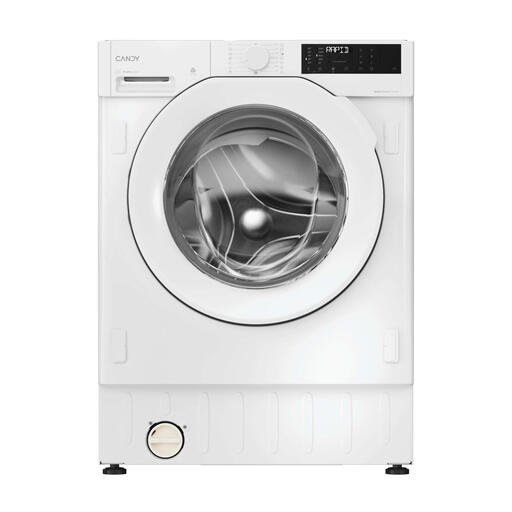
Consider this integrated model if family laundry needs a 9 kg wash limit but loads to be dried continuously will fit its 6 kg drying limit.
Check the apron care label against the available programmes, and confirm cabinet dimensions and service clearances in the installation instructions.
 No image available
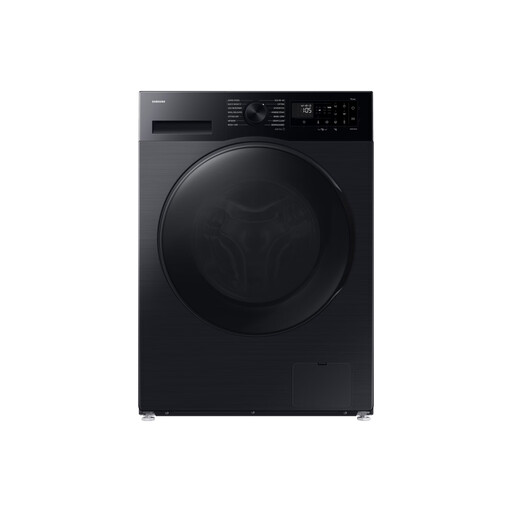
Its stated 9 kg washing and 6 kg drying capacities are worth comparing if some family loads need to finish dry while others are washed only.
Check programme conditions against the apron care labels, and confirm the required installation clearances.
 No image available
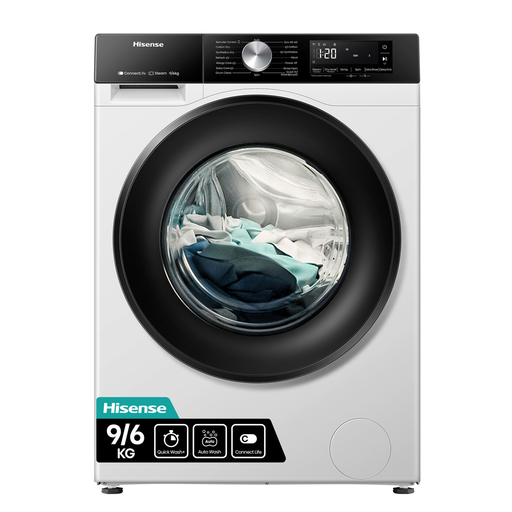
For apron loads mixed with household washing, compare its stated 9 kg wash and 6 kg dry limits with the loads you actually intend to dry.
Its title specifies 1400 rpm; select a spin setting that the apron care label permits, and check installation connections and clearances.
 No image available
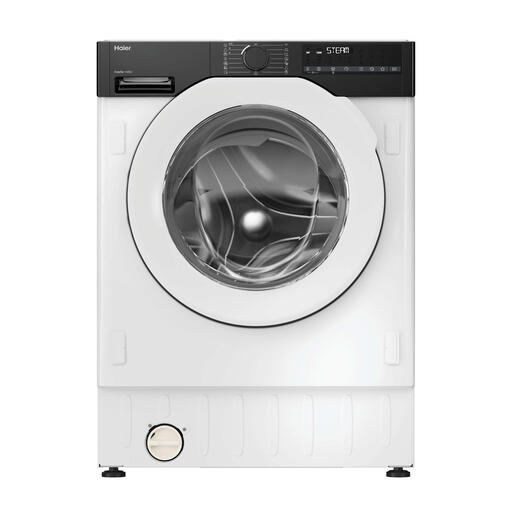
This integrated model combines a stated 9 kg wash limit with a 6 kg drying limit for loads intended to finish dry.
Confirm that its installation requirements suit the cabinet, and check the exact model’s drying documentation and apron-compatible settings before choosing.
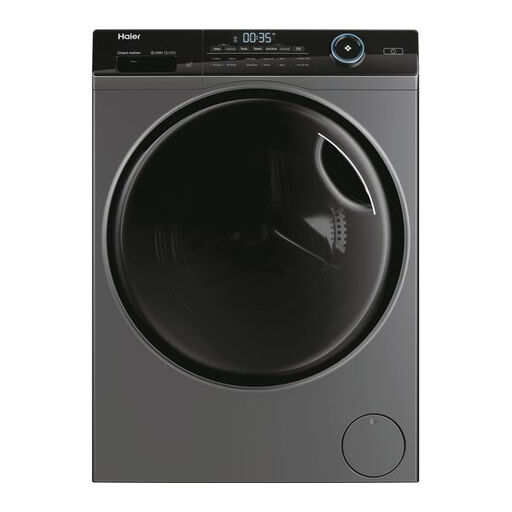 No image available
Consider its 10 kg wash limit for larger family washing loads, while keeping loads that must finish dry within the stated 6 kg drying limit.
Check apron care instructions and installation clearances. Use the exact model’s displayed energy label and product information sheet when comparing wash-and-dry cycles.
A continuous wash-and-dry cycle can have a lower load limit than a wash-only cycle. Bosch Home UK lists 10 kg washing and 6 kg wash-and-dry capacities for its WDU28569GB and WDU8H541GB models; if you want aprons dry at the end of one cycle, plan the load around the lower figure.
Only when the apron care label permits the selected wash, spin and drying settings. Bosch Home UK describes its Wash & Dry 60 programme as a small-load option, so check the exact model’s programme limit rather than assuming a quick cycle takes a full family load.
Compare the exact model’s displayed energy label and product information sheet using the cycle basis relevant to how you will use it. UK government energy-information guidance covers washer-dryers, but detailed arrangements can differ between Great Britain and Northern Ireland; use the information shown for your delivery location.
Follow the maintenance instructions for your exact model. AEG advises leaving the door and detergent drawer open after washing to allow air to circulate; its filter guidance also varies by model, so check the manual before following a filter-cleaning routine.
Arrange electrical-appliance collection or recycling rather than putting the old machine in household bins. Check your retailer’s removal options and your local authority’s arrangements before delivery; Coventry City Council, for example, describes local recycling and bulky-waste collection options for its residents.