
24/7 全天候客户支持

免费退货

当日/次日达

品质保障

开启新人专享福利: 全场免邮 | 低至 2 折 | 免费试用 30 天 JoyPlus 会员
下载 Joybuy
A washer dryer is a brilliant space-saving solution for many UK homes, especially in modern flats, new-builds or busy family kitchens where every square inch counts. Combining two essential appliances into one, it promises convenience and efficiency. However, the market is filled with confusing jargon and features that don't always deliver on their promises. Choosing the wrong model can lead to damp clothes, surprisingly high energy bills and years of frustration.
As a Joybuy Product Recommendation Officer, my role is to help you see past the marketing hype. Before you commit, let's look at the three most common pitfalls that catch buyers out and how you can sidestep them to find a machine that genuinely works for your household.
The most frequent mistake is misunderstanding the drum capacity. You might see a machine advertised as a 9kg washer dryer, but this almost always refers to the washing capacity only. The drying capacity is significantly smaller, often only 5kg or 6kg. If you wash a full 9kg load, you will have to remove nearly half the wet clothes before you can start the drying cycle. This defeats the purpose of an all-in-one appliance, forcing you to run multiple dry cycles or hang clothes around your home.
Since the UK's new energy labelling system was introduced, it's easier to see a machine's efficiency. However, many people only look at the prominent rating on the left, which is for the wash cycle only. A machine can be an A-rated washer but an E-rated dryer. The crucial figure for a washer dryer is the rating for the complete wash and dry cycle, found on the right side of the label. Overlooking this can lead to a seemingly energy efficient washer dryer costing a small fortune to run.
For those living in open-plan spaces, a noisy appliance can be a major disruption. Many brands claim to offer a quiet washer dryer, but this is meaningless without a specific number. The key metric to look for is the spin cycle noise level, measured in decibels (dB). A machine that spins at 75dB or higher will be noticeably loud, while one closer to 70dB will be far more pleasant to live with.
To make a smart purchase, focus on the core specifications that directly impact performance, not just the flashy features. Here’s what to check before you buy.
Your first decision is how the appliance will fit into your space.
black washer dryer, are made to be seen.Always check both the wash and dry capacities and choose based on the smaller drying figure.
9kg washer dryer with a 5kg or 6kg drying capacity to handle regular loads and weekly bedding changes.10kg washer dryer or larger, with a 6kg+ drying capacity, is essential to keep on top of the laundry pile.Beyond the basics, certain technologies offer real-world benefits for hygiene, convenience and clothing care.
smart washer dryer connects to your home Wi-Fi, allowing you to control and monitor cycles from your phone. This is genuinely useful for busy people who want to schedule laundry to finish just as they get home.We've filtered through the options to match specific models to different UK lifestyles, ensuring they address the common pitfalls.
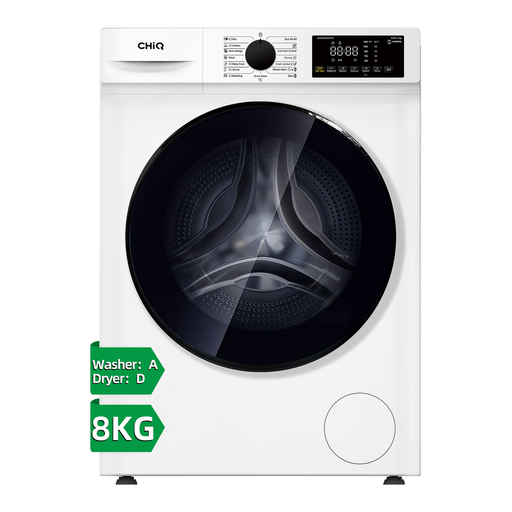
Why This Fits Their Persona: Perfect for flats or tight utility rooms, its slim 52cm depth chassis fits into spaces where standard 60cm machines won't, without sacrificing a practical 8kg/5kg capacity.
The 8kg wash and 5kg dry capacity is clearly stated and well-balanced for small-to-medium loads. Its A-rated wash cycle ensures it's an energy efficient washer dryer for everyday use.
Features a durable and quiet BLDC inverter motor, which is uncommon at this price point. The "One-Touch" wash function simplifies operation for busy users.
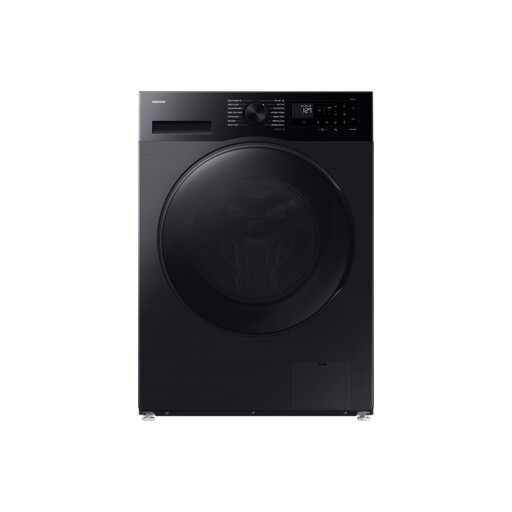
Why This Fits Their Persona: With a huge 11kg wash capacity, this machine can handle duvets, sports kits and a week's worth of school uniforms in one go. The Hygiene Steam and AI features are ideal for a busy, health-conscious family.
The massive 11kg wash / 6kg dry capacity is one of the largest available, minimising the risk of having to split loads. The AI Energy Mode helps manage running costs, tackling the energy bill pitfall.
SpaceMax technology provides a larger drum in a standard-depth cabinet. The AI Ecobubble wash is effective at low temperatures, protecting clothes and saving energy.
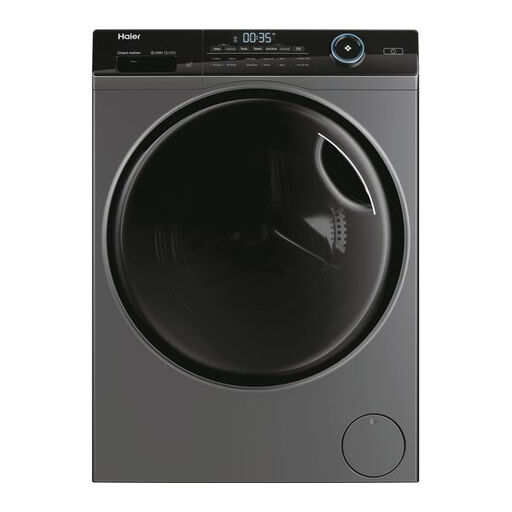
Why This Fits Their Persona: This model is built for performance and peace. The Direct Motion Motor is engineered for minimal noise and vibration, making it ideal for open-plan living or running cycles overnight.
It directly tackles the "quiet" claim pitfall with a specific motor technology designed for low noise and a stated 72dB spin rating. The A-rated wash cycle also confirms its energy credentials.
The Direct Motion Motor is beltless, increasing reliability and reducing noise. The Refresh programme uses micro-vapour to de-wrinkle and deodorise clothes without a full wash.
We have compiled a complete, real-time list of products that fully satisfy these strict selection criteria and UK safety regulations.
A good quality washer dryer should last between 7 and 10 years with regular use. Longevity is often linked to the motor. Models with inverter or direct drive motors tend to be more durable as they have fewer moving parts, which is why manufacturers often provide a 10 or even 20-year warranty on the motor itself. Regular maintenance, such as cleaning the filter and running a service wash, will also extend its lifespan.
The drying function of a washer dryer is typically less energy-efficient than a standalone tumble dryer. This is reflected in the energy label, where the combined wash and dry cycle rating is often a D or E. To manage costs, look for a model with a good wash-only rating (A or B) for everyday use and use the full dry cycle more sparingly. Features like sensor drying, which automatically stops when clothes are dry, also prevent energy waste.
No, a washer dryer uses the same standard connections as a regular washing machine: a cold water inlet pipe and a waste water outlet pipe. Unlike some old tumble dryers, they do not require an external vent hose. They are almost all condenser models, meaning the steam is condensed into water and drained away through the waste pipe, making installation straightforward.