Shared-house bedding coordinators
You regularly wash cotton sheets for more than one resident and want drying loads that do not keep the machine occupied longer than necessary.


Choose by the rated wash-and-dry capacity rather than the larger wash-only figure: a full load of sheets may need partially unloading before drying. For several housemates who expect to tumble-dry bedding, 6 kg of drying capacity is a useful starting point for comparison, provided the machine fits and its wash-and-dry energy information suits the household. A 5 kg drying limit can still work if residents accept smaller drying loads or air-dry some sheets.
You regularly wash cotton sheets for more than one resident and want drying loads that do not keep the machine occupied longer than necessary.
You need washing and drying in one appliance, but must account for its full depth, door opening, pipes and installation clearances.
You want to reduce queues, disruptive spin cycles and damp laundry left in the drum. Cycle planning matters alongside capacity.
Start with the amount of bedding you need to dry in one cycle, then check physical fit and wash-and-dry energy information. Treat scheduling features as help with sharing the machine, not a substitute for drying capacity.
| Concern | What to check | Who this matters to |
|---|---|---|
| Sheet drying capacity | Compare the rated wash-and-dry limit in kg with the wash-only limit, and check the permitted load for the sheet programme. | When several housemates wash sheets, I want enough drying space to keep bedding from delaying the next load; around 33% of consumers put drying capacity first. |
| Fit and installation | Measure the appliance and the space needed for its door, pipes, plug and required clearances; check the available connections. | If the machine goes into a tight shared kitchen, I need its door to open and its connections to fit; roughly 27% of consumers prioritise installation fit. |
| Energy and water use | Compare exact models using their wash-and-dry label information, separately from wash-only data, and consider normal load sizes. | With frequent laundry on a shared bill, I want to understand the resources used for a complete wash-and-dry cycle; about 20% of consumers make running use their primary concern. |
| Access and noise | Check declared spin noise and available cycle alerts or scheduling options; agree when finished loads will be collected. | When laundry times overlap or the machine is near living space, I want fewer access conflicts and late spin cycles; around 20% of consumers put coordination and noise first. |
A machine that washes 10 kg may have a 6 kg wash-and-dry limit. Filling it with sheets to the wash-only limit can mean unloading some before drying and occupying the machine for another cycle.
If bedding will go straight into the dryer, compare the lower wash-and-dry rating and follow the model's load guidance.
Which? notes that larger washer-dryers can be less efficient when they are not filled. Extra capacity is less useful if everyday loads seldom need it.
Choose around the household's usual loads and compare the exact models' wash-and-dry energy information on the same basis.
The machine also needs room for its door, hoses, plug and installation clearances. A width that fits does not establish that the depth will.
Measure the full installation space against the chosen model's dimensions and instructions before ordering.
A poor fit can make installation impractical or require changes to the intended space.
Cycle notifications cannot remove finished sheets from the drum or increase a machine's drying limit.
If considering app features, check device and connection requirements, then agree with housemates when loads should be collected.
Beko UK lists freestanding washer-dryers including the BM5D512845U, rated for 12 kg washing and 8 kg drying.
The Bosch WDU8H541GB is documented with a 10 kg wash limit and a 6 kg wash-and-dry limit.
LG UK lists the FWY606WWLN1 as a 10 kg wash and 6 kg dry washer-dryer.
The Samsung WD10T654DBH/S1 combines a stated 10.5 kg wash and 6 kg dry capacity with SmartThings scheduling features.
These washer-dryers offer stated drying limits of 5 kg or 6 kg. For cotton sheets shared by several residents, decide whether a 5 kg limit means splitting a washed load or air-drying some bedding, and check the installation space for the model you choose.
 No image available
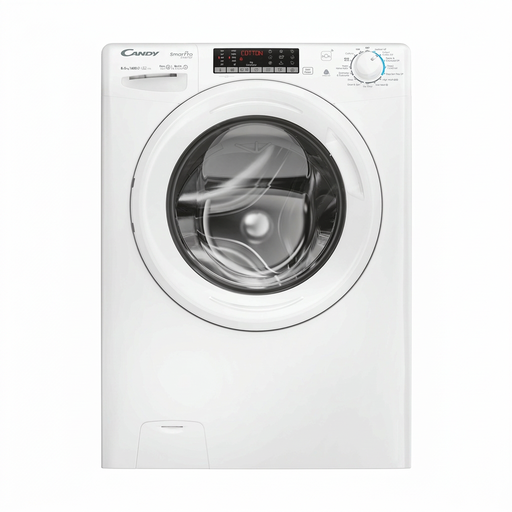
Consider this model if the household can dry smaller sheet loads or air-dry part of a larger wash.
Its stated capacities are 8 kg for washing and 5 kg for drying, with a 1400 rpm spin specification.
Check the cotton-cycle settings, wash-and-dry energy information and full installation clearances for the exact model.
 No image available
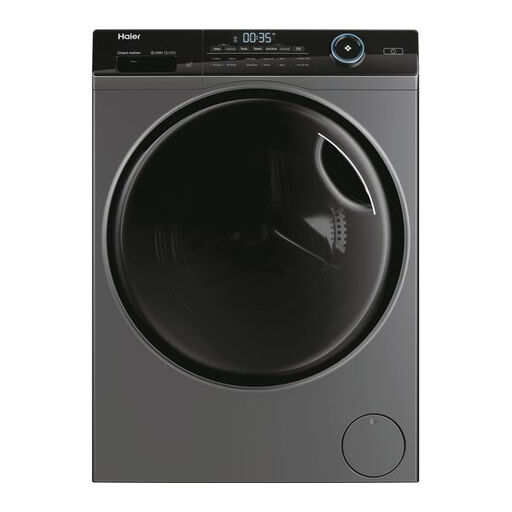
The 6 kg drying limit is a useful comparison point if several residents expect to tumble-dry sheets, though a full wash load may still need reducing before drying.
Its stated capacities are 10 kg for washing and 6 kg for drying; the product name also gives an A/D rating.
Check the exact model's cotton-cycle settings, wash-and-dry energy information and required installation space.
 No image available
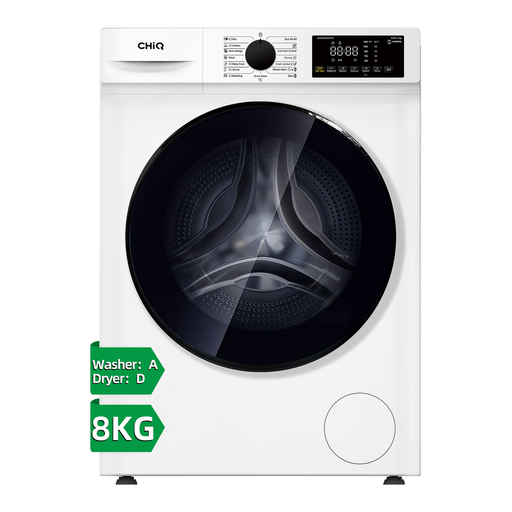
This model suits a shared household prepared to dry sheets in smaller loads or use another drying arrangement.
Its stated capacities are 8 kg for washing and 5 kg for drying; the product name also gives an A/D rating.
Confirm the cotton-cycle settings, wash-and-dry energy information and full installation space before choosing it.
The wash-only and wash-and-dry figures are different load limits. Beko advises reducing a full wash load before drying so laundry has room to tumble; use the lower rating when judging whether a load of sheets can go through both stages without unloading.
Allow for the exact appliance dimensions, its open door, connections and the clearances required by its instructions. As a general guide, allow around 25 mm at each side and roughly 50–150 mm at the back for pipes and plugs; check the chosen model and the available space rather than treating those figures as universal fitting requirements.
Compare the exact models' complete wash-and-dry energy information, not just their wash-only figures. Consider whether the household's usual loads suit the capacity: Which? notes that larger washer-dryers can be less efficient when they are not filled.
Agree who will collect each finished load and when the next resident can use the machine. Where the manufacturer's care instructions permit it, leave the appliance door open after use to let the drum dry.