Households washing small everyday loads
If socks, underwear and other routine laundry make up most loads, a smaller drying capacity may be workable. Plan for days when a larger mixed load needs to be dried.


Choose a washer-dryer for the household laundry you will wash alongside cotton socks, rather than for the socks alone. If you want a load to go straight from washing to drying, compare the separate wash and wash-and-dry capacities: the drying limit can be lower. Check each sock’s care label, then measure the installation space and compare the exact models’ energy-label information.
If socks, underwear and other routine laundry make up most loads, a smaller drying capacity may be workable. Plan for days when a larger mixed load needs to be dried.
If you want socks and other laundry to finish in one appliance, choose around the rated wash-and-dry load, not just the amount the machine can wash.
If your socks include elastic, prints or delicate blends, sort them and follow their individual care labels before choosing a wash or drying programme. FALKE’s garment-care guidance puts the care label first.
Start with the amount of laundry you intend to dry in one cycle, then check sock-care instructions and whether the appliance fits. Compare energy-label details between models that suit those needs.
| Concern | What to check | Who this matters to |
|---|---|---|
| Wash-to-dry capacity | Compare the separate wash and wash-and-dry limits in kg for the exact model. Base a continuous wash-to-dry routine on the lower limit. | If I wash socks with other household laundry, I want the load to finish drying without removing part of it first. Around 31% of consumers would put combined-cycle capacity first. |
| Sock care | Check each pair’s care label and whether the available wash and drying programmes allow you to follow it. | For socks with elastic, prints or delicate fibres, I would rather change the drying method than risk using a setting the label rules out. Around 31% of consumers would make fabric care their main concern. |
| Installation fit | Compare the model’s dimensions with the usable space, including connections, ventilation clearance and the open door. | In a tight kitchen or utility area, I need to know the machine can be installed and loaded comfortably. For around 23% of consumers, fit would come first. |
| Energy and water use | Compare exact-model labels for energy and water use alongside capacity and programme duration; do not rely on the letter rating alone. | If I run frequent small loads, I want to understand what the labelled figures mean for the cycles I expect to use. Around 15% of consumers would prioritise this comparison. |
Bosch, LG and Samsung list separate washing and drying capacities for the UK models discussed here. Energy Saving Trust advises looking beyond an appliance’s letter rating to its labelled consumption, capacity, cycle duration and noise information. The useful comparison is between the exact models and cycles relevant to your routine.
A machine rated to wash a larger load may have a lower limit for washing and drying it in one cycle. Bosch’s WNG25401GB, for instance, is specified at 10.5kg for washing and 6kg for a wash-and-dry cycle.
If finishing mixed laundry dry matters to you, compare the combined-cycle rating with your usual load before choosing a machine.
A load above that drying limit may have to be split, adding another drying cycle and more laundry time.
Cotton socks can also contain elastic, prints or other fibres. FALKE advises following the garment label and warns that unsuitable tumble-dryer heat can damage fibres or cause shrinkage.
Sort socks by their care instructions. Use a suitable gentler programme or air dry them when their labels call for it; a laundry bag can help keep pairs together during washing.
A cabinet opening alone does not account for pipes, plugs, ventilation or the door’s opening path. Allow for these around a freestanding washer-dryer.
Measure the usable width, height and depth, then check the exact model’s installation instructions and whether its door can open fully in place.
The letter rating does not show the whole difference between the loads and cycles you are considering. Energy Saving Trust says washer-dryer labels also provide consumption, capacity, duration and noise information.
Compare the labels for the exact models on a like-for-like basis, and choose a capacity that makes sense for your normal laundry. Avoid overloading: Energy Saving Trust warns that it can affect efficiency and damage the machine.
Relevant if a larger wash load but a smaller combined drying load fits your routine.
Relevant when comparing a smaller 8kg/5kg arrangement with a 10kg/6kg alternative.
Relevant if a 9kg wash and 6kg dry configuration matches the loads you expect to run.
These options span integrated washer-dryers and models for other installation arrangements, with stated wash/dry capacities from 7kg/4kg to 9kg/6kg. Choose by your usual mixed load and installation requirements, then check each sock’s care label before planning to dry it in the machine.
 No image available
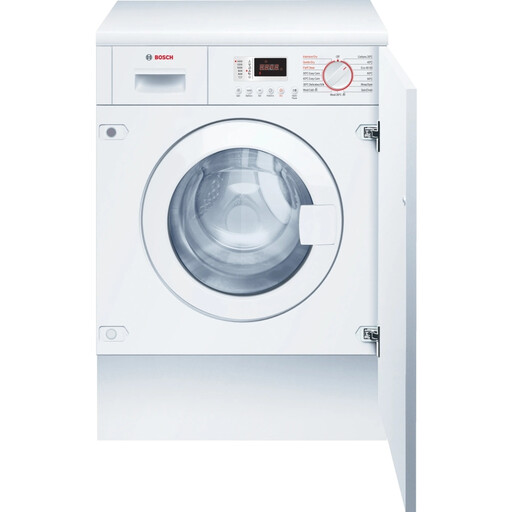
Consider this integrated model if your fitted space and smaller wash-to-dry loads suit it.
Its stated capacity is 7kg for washing and 4kg for drying; a larger washed load may need splitting. Check cabinet-door fit and the drying instructions for socks you intend to tumble dry.
 No image available
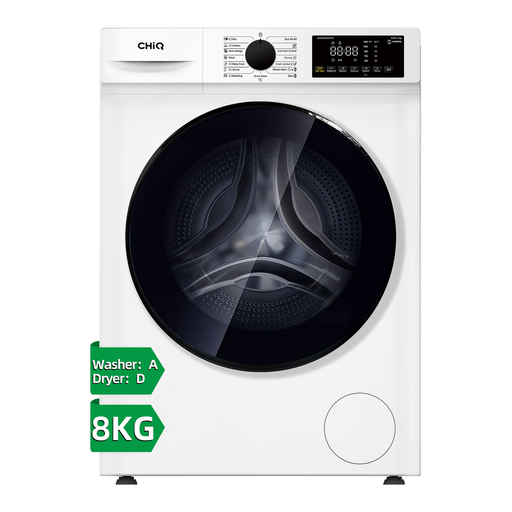
Consider this freestanding option for routine sock and mixed-laundry loads if its size suits your space.
The title specifies 8kg washing, 5kg drying and a 1400rpm spin. Allow for connections and clearance beyond the appliance itself, and check the drying programme against your socks’ care labels.
 No image available
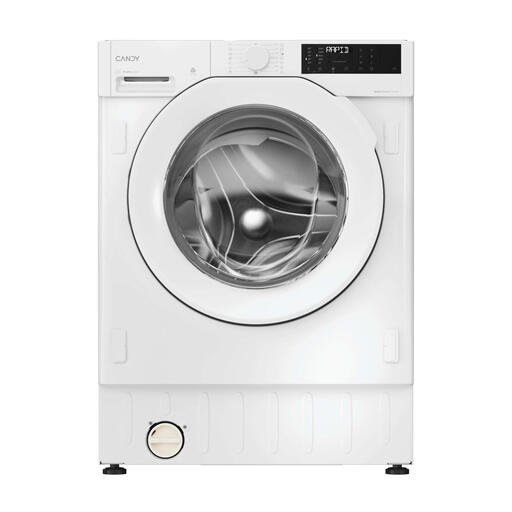
Consider this integrated model if you wash larger household loads alongside socks and need a 6kg combined drying limit.
Its stated ratings are 9kg washing, 6kg drying and 1400rpm spin. A full wash load exceeds its drying rating; check cabinet-door compatibility and installation clearances before ordering.
 No image available
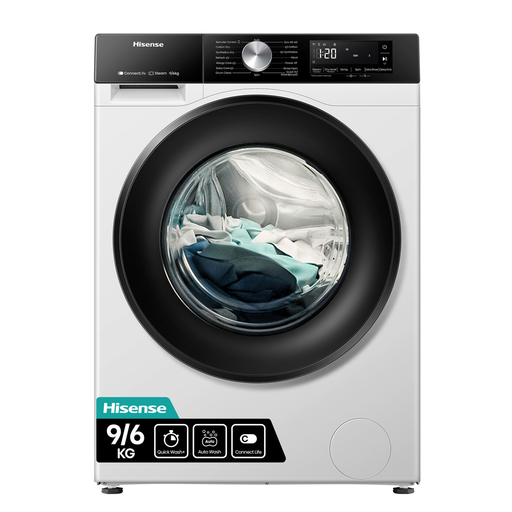
Consider this capacity arrangement if you need to wash larger mixed loads but can keep a continuous wash-to-dry load within 6kg.
The title specifies 9kg washing, 6kg drying and 1400rpm spin. Check the installation format and dimensions for your space, and confirm suitable drying instructions for your socks.
 No image available
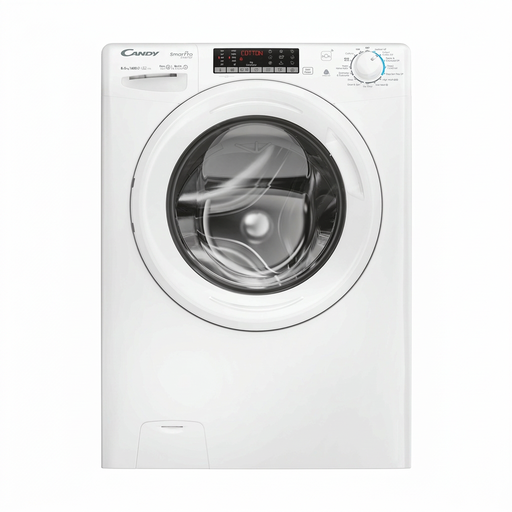
Consider this model if an 8kg wash and 5kg dry arrangement fits your usual sock and household-laundry loads.
The title also states a 1400rpm spin. Check its dimensions before planning installation, and confirm the duration of the programme you intend to use rather than relying on a general quick-wash description. Follow sock care labels when choosing a drying setting.
Yes, if each pair’s care label permits the chosen washing conditions and tumble drying, and the load stays within the machine’s combined-cycle capacity. UK specifications from Bosch, LG and Samsung show models with lower drying than washing limits; FALKE’s care guidance also cautions against unsuitable dryer heat.
Measure the usable width, height and depth, allowing for pipes, plugs, ventilation and the fully open door. For a freestanding machine, allow around 25mm at either side and roughly 50–150mm behind for connections; check the exact model’s installation instructions as well.
Compare the exact models’ labelled energy and water use together with their capacities and programme durations, rather than choosing on the letter rating alone. Energy Saving Trust says washer-dryer labels also show noise information, which may matter where the appliance runs near living spaces.
Ask the retailer how it handles take-back of an old appliance of the same type and whether home collection is available. GOV.UK’s guidance on in-store electrical-waste take-back states that retailers must offer take-back of waste of the same type as the item purchased; confirm the arrangements for your purchase before delivery.