Frequent table-linen washers
If you regularly wash cotton tablecloths alongside other household laundry, compare wash capacity with the amount you actually load. Plan separately for the smaller load you can dry in the machine.


Choose a washer-dryer by the size and frequency of your tablecloth loads, then check its washing and drying capacities separately. A larger freestanding model may suit frequent loads if it fits your space; a slim or integrated model addresses a different installation need, but its drying limit still matters. Check each tablecloth’s care label and the exact machine’s programmes before planning to tumble-dry it.
If you regularly wash cotton tablecloths alongside other household laundry, compare wash capacity with the amount you actually load. Plan separately for the smaller load you can dry in the machine.
If one appliance must fit a shallow space or sit behind a cabinet door, check the exact model’s dimensions, installation requirements and delivery route before choosing between slim, freestanding and integrated designs.
If you want to wash and dry without moving laundry to another appliance, give the wash-and-dry capacity as much attention as the wash capacity. The tablecloth’s label must also permit the drying setting you intend to use.
Start with the tablecloth’s care label and the load you expect to wash and dry. Then decide which appliance format will fit the intended space.
| Concern | What to check | Who this matters to |
|---|---|---|
| Wash space | Compare wash-only capacity in kg with your usual load; check the cloth’s label before combining it with other laundry. | When I regularly wash large tablecloths, I want room for the load without choosing solely by the drying figure. Around 31% of consumers would make wash space their primary concern. |
| Fit and installation | Measure the installation space and delivery route; for an integrated model, check the cabinet requirements too. | A shallow recess or cabinet door may determine which appliance I can install. Roughly 25% of consumers would put fit and installation first. |
| Drying capacity | Check the wash-and-dry limit in kg and whether the tablecloth label permits tumble drying. | If I need the cloth dry without using another appliance, I have to plan around a smaller drying load. Drying convenience would lead the choice for around 25% of consumers. |
| Fabric care | Review the Cotton programme and adjustable settings against the cloth’s label, particularly for coloured or finished linen. | For a stained or coloured tablecloth, I would choose settings that suit that particular fabric rather than defaulting to a fast cycle. About 19% of consumers would put fabric care first. |
Bosch lists 10.5 kg washing and 6 kg wash-and-dry capacity for its WNC25410GB; Samsung lists 9 kg washing and 5 kg drying for the 480 mm-deep WD90DG5G34BEEU. Those figures illustrate why load size and space need separate checks: neither capacity tells you which setting a particular tablecloth can tolerate.
A load within the wash-only limit may exceed the machine’s wash-and-dry limit.
Compare both capacities for the exact model and plan to split a larger washed load before machine drying.
A quick programme does not establish suitable settings for a particular stain, colour or fabric finish.
Check the tablecloth label, remove food debris and choose washing and drying settings the label permits.
The machine also has to pass through the delivery route; an integrated model must suit the intended cabinetry.
Check the exact model’s installation instructions and measure doors, corridors and the final opening before ordering.
Electrical Safety First warns that using an extension lead with other large appliances can overload it and create a fire risk.
Follow the washer-dryer’s installation instructions and arrange a suitable electrical connection rather than treating a multiway extension lead as the default.
Bosch offers washer-dryers with different washing and drying capacities.
Samsung’s WD90DG5G34BEEU provides a slim-depth option where appliance depth is a constraint.
Beko offers integrated and freestanding washer-dryers in several capacity combinations.
LG offers washer-dryers including the 9 kg wash and 6 kg dry FWY696WWLN1.
These models cover freestanding and integrated choices for washing tablecloths, with different capacities for drying the load afterwards. Compare the exact model’s programmes, dimensions and energy information with your cloth’s care label and installation space.
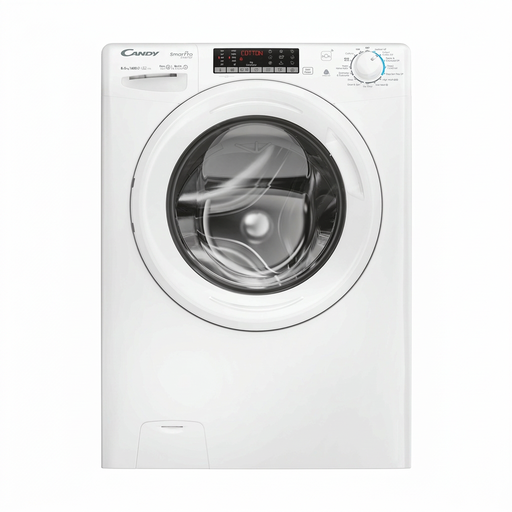 Image unavailable
A freestanding option if its 8 kg washing limit suits your tablecloth loads. The title lists 5 kg drying capacity and a 1400 rpm spin speed; a larger washed load would need splitting for machine drying. Check the programme settings against the cloth’s label.
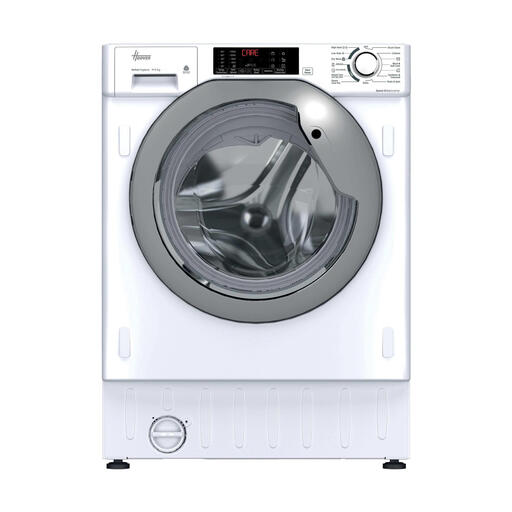 Image unavailable
Consider this integrated model if the appliance needs to sit within suitable kitchen cabinetry. Its title specifies 9 kg washing and 5 kg drying capacity, so plan separately for a larger washed load. Check the cabinet fit and the available programmes before ordering.
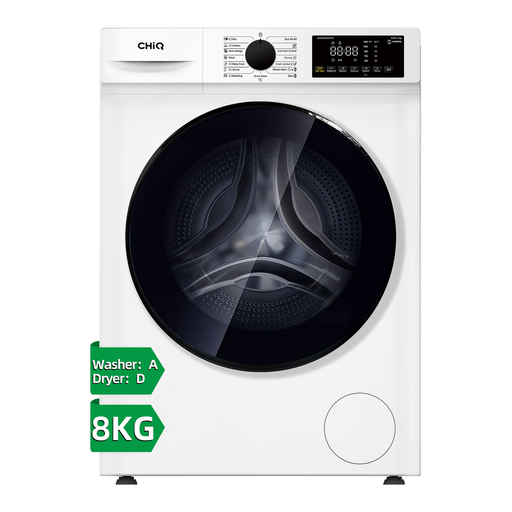 Image unavailable
A freestanding choice for loads within its stated 8 kg washing limit. The title specifies 5 kg drying capacity and a 1400 rpm spin speed. Measure the intended space and check settings for the particular tablecloth before purchase.
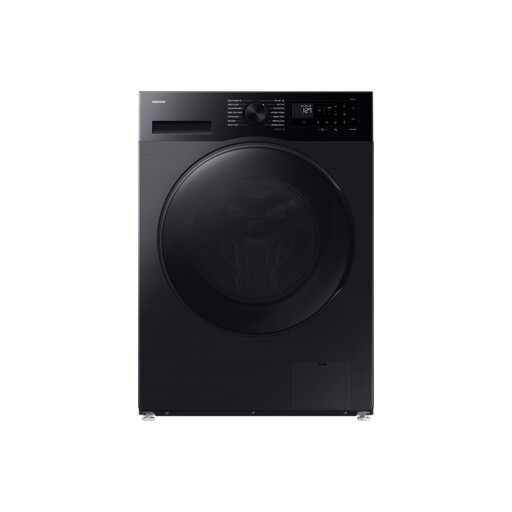 Image unavailable
Its 11 kg washing capacity may suit consumers who regularly combine larger table linen with other laundry. The title gives a separate 6 kg drying limit, so do not plan to dry a full wash load in one go. Check installation fit and label-appropriate programmes.
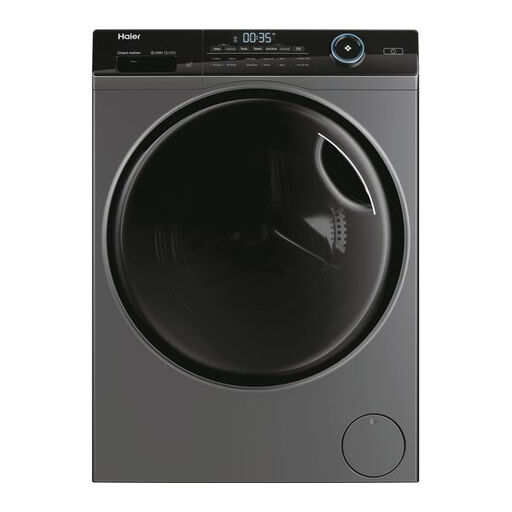 Image unavailable
A choice to assess for frequent tablecloth washing where a 10 kg wash capacity is useful. The title lists 6 kg drying capacity, which may require a larger washed load to be split. Check the machine’s fit and programmes against your space and fabric labels.
Only if the load is within the machine’s separate wash-and-dry limit and the tablecloths may be tumble-dried. Bosch, for example, lists 10.5 kg washing but 6 kg wash-and-dry capacity for the WNC25410GB; split a larger washed load before machine drying.
No: choose the programme, temperature and drying setting permitted by the individual tablecloth’s care label. Colour, printing, finishes and trims can affect the suitable treatment, so the word “cotton” alone is not enough to choose every setting.
Compare the energy label and product information for the exact washer-dryer model you are considering. GOV.UK’s energy-information guidance describes labels and product information sheets for products within its scope; use the model-specific information rather than assuming a brand-level claim applies to every appliance.
Do not treat a shared extension lead as the default connection for a washer-dryer. Electrical Safety First warns that an extension lead used with other large appliances can overload and create a fire risk; follow the exact appliance’s installation instructions for a suitable connection.