Small-home cushion-cover washers
If there is only one workable appliance position, installed depth, room for pipes and the space needed to open the door may matter more than a larger wash drum.


Choose a washer-dryer if one appliance is the practical way to wash cushion covers and add machine drying in the space available. Check the full installation space first, then size the load against the smaller drying capacity, not just the wash capacity. A cover should go through the drying cycle only if its sewn care label permits it; compare the exact model's wash-and-dry energy information if you expect to use that cycle regularly.
If there is only one workable appliance position, installed depth, room for pipes and the space needed to open the door may matter more than a larger wash drum.
If you want to wash removable covers without damaging them, check each cover's sewn washing and drying symbols before choosing a programme. A machine-washable cover is not necessarily tumble-dry safe.
If cushion covers go in with other household laundry, compare the separate wash and drying limits. A full wash load may need to be reduced before the drying cycle.
Start with the space and the cover's care label; those checks determine which capacity and cycle information is useful.
| Concern | What to check | Who this matters to |
|---|---|---|
| Installed fit and access | Measure the appliance position, rear services and door-opening space. Check whether it calls for a freestanding or integrated model; allow around 25 mm at either side and roughly 50–150 mm behind a freestanding washer-dryer. | If I have only one appliance position, the machine must fit while leaving its door usable. Around 42% of consumers would put installed fit first. |
| Cover care and drying capacity | Follow the cover's sewn wash and drying symbols. Compare the model's stated drying limit with the load you intend to dry, rather than using its wash limit. | I want to clean the covers without assuming they can be tumble dried or that a full wash load can stay in the drum. For around 33% of consumers, cover care and drying capacity are the primary concern. |
| Energy and cycle routine | Compare the exact model's wash-only and complete wash-and-dry information. Check the stated load and duration for any programme you expect to use. | If I regularly dry covers in the machine, the complete cycle needs to work with my laundry routine. Managing energy information and cycle time would come first for around 25% of consumers. |
The drying limit can be lower than the wash limit, so a full wash load may need to be split before drying.
Compare the stated drying capacity with the covers and other items you expect to dry together.
Pipes, plugs, ventilation space and door opening can prevent a machine from fitting a gap that appears large enough on paper.
Measure the usable position and check the exact model's installation instructions before ordering.
A cover's care instructions may permit machine washing but prohibit tumble drying or restrict the drying setting.
Read both sets of symbols on the sewn label before selecting a cycle, including when the machine offers sensor drying.
Wash-only information does not describe the complete wash-and-dry cycle you may use for covers.
Compare the energy label and product information sheet for the exact model and the cycle you intend to run.
Bosch lists freestanding and integrated washer-dryers with different wash and wash-and-dry capacities.
Beko offers both the freestanding BMM5DFO851, described by the brand as a slim design, and the integrated WDIK854411F.
The Hisense KitchenFit WD5I1245BWRH is a heat-pump washer-dryer listed for 12 kg washing and 8 kg drying.
LG lists the FWY696WWLN1 with 9 kg wash and 6 kg dry capacities and fabric-sensing and steam-related features.
These washer-dryers cover freestanding and integrated positions. Choose the installation format that fits your space before comparing their separate wash and drying limits.
 No image available
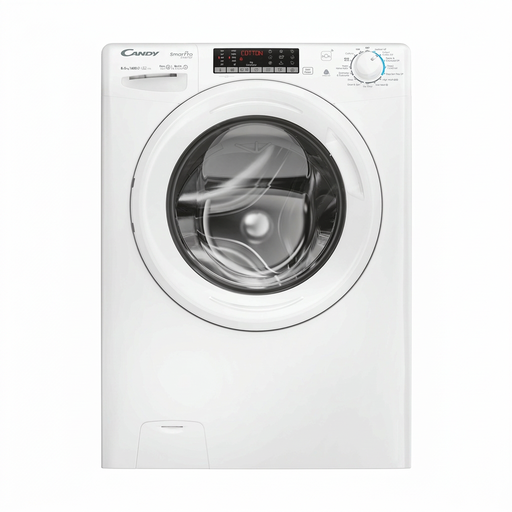
A freestanding choice to assess for a tight appliance position; check its installed clearances and door opening against your measurements.
The name lists 8 kg washing, 5 kg drying and a 1400 RPM spin speed. A cover can enter the drying cycle only if its care label permits it.
 No image available
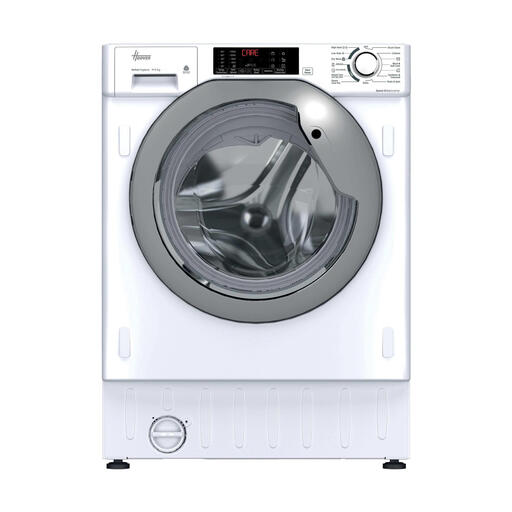
Consider this integrated model only for a compatible cabinet position; check the door panel, service access and installation requirements.
Its stated 9 kg wash and 5 kg dry limits mean a full wash load may need reducing before drying.
 No image available
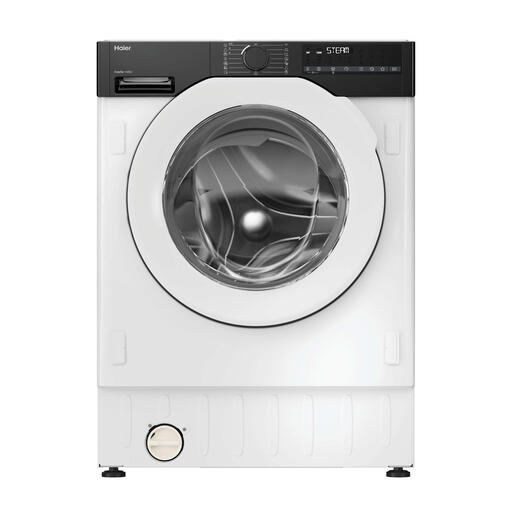
This integrated option is relevant if you have a suitable cabinet and want to assess a 6 kg stated drying limit for your usual load.
The name lists 9 kg washing, 6 kg drying and 1600 rpm. Check cabinet and door-panel compatibility, and follow each cover's drying label.
 No image available
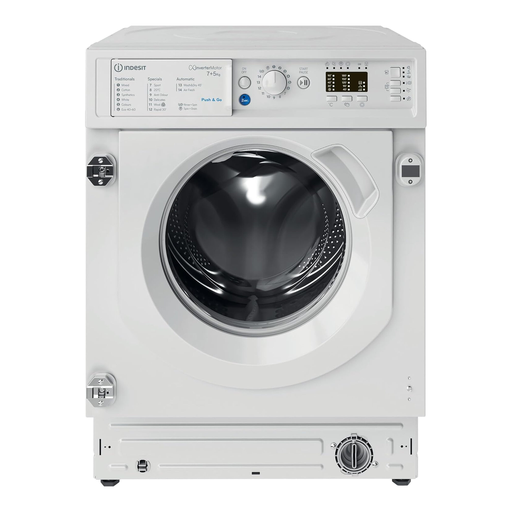
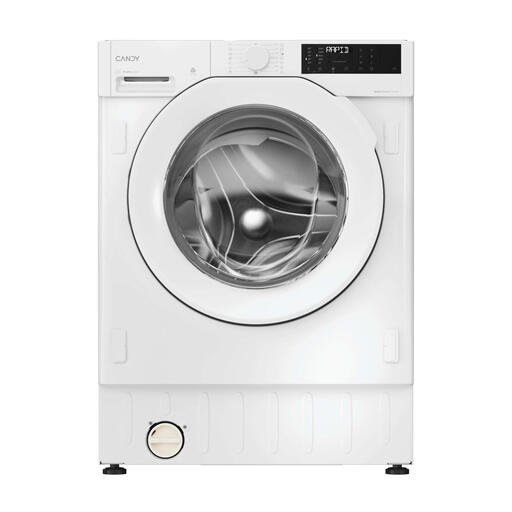
Assess this model for an existing integrated-appliance position, checking the cabinet and door arrangement before choosing it.
The name lists a 59.5 cm width, 7 kg wash capacity and 5 kg drying capacity; confirm the full installed space using the model's instructions.
 No image available
Consider this integrated model if its cabinet-fitting requirements suit your available position and you expect to use a 6 kg drying limit.
The name lists 9 kg washing, 6 kg drying and a 1400 spin speed. Use the exact model's energy label when comparing complete wash-and-dry cycles.
They can be machine washed if their individual sewn care labels permit it, but machine drying needs separate permission from the drying symbols and any temperature limit. Follow any instructions for removing inserts or closing zips before washing.
Washer-dryers state separate limits for washing and drying: Bosch lists the WNG254R1GB at 10.5 kg for washing and 6 kg for a wash-and-dry cycle. If you wash a load above the drying limit, plan to remove some items before drying.
Measure the usable appliance position with pipes and plugs accounted for, plus the space needed to open the door. Allow around 25 mm at either side and roughly 50–150 mm behind a freestanding washer-dryer; use the exact appliance's installation instructions for its requirements.
Compare the complete wash-and-dry information for the exact models you are considering, alongside wash-only information. Check the energy label and product information sheet rather than applying one model's rating to another variant.
Do not assume it will: heat-pump drying programmes may take longer than those on standard models. Compare the stated duration and load limit for the programme you would use, after checking that the covers permit tumble drying.