Dress-care-first renters
If your washable dresses have delicate fabrics, linings or trims, start with their separate washing and tumble-drying instructions. A large wash capacity cannot make a garment suitable for machine drying.


For a student house, choose a washer-dryer only after checking that installation is permitted, the appliance will fit with its required clearances, and your dresses’ care labels allow the cycles you intend to use. An 8 kg wash / 5 kg dry model may suit occasional small drying loads; if several housemates will regularly use the dryer, compare 6 kg drying models. Either way, a full wash load may need splitting before drying.
If your washable dresses have delicate fabrics, linings or trims, start with their separate washing and tumble-drying instructions. A large wash capacity cannot make a garment suitable for machine drying.
If you need an outfit ready between other commitments, compare the load limit and duration of a complete wash-and-dry programme. A quick-wash time alone does not tell you when the dress will be dry.
If the machine is going into rented accommodation, check the usable space, appliance format and installation arrangements before choosing a model. An existing fitted space and a freestanding appliance are not interchangeable.
Start with the dress care labels and permission to install a machine, then choose a drying capacity that reflects how often housemates will use it. Compare programme times only at the stated load.
| Concern | What to check | Who this matters to |
|---|---|---|
| Dress care | Read each garment’s wash and tumble-dry symbols. Check for a suitable gentle or low-temperature programme where its label calls for one. | If a summer dress is washable but has delicate fabric or trim, I need to know whether it can also be tumble-dried; around 30% of consumers put garment care first. |
| Turnaround | Compare complete wash-and-dry times at their stated load limits, not washing-only quick-cycle times. | When I need clothes ready between commitments, the time for a permitted, manageable load matters most. Around 30% of consumers make turnaround their primary concern. |
| Shared drying capacity | Compare the drying rating separately from the wash rating; consider 5 kg and 6 kg drying models according to likely shared use. | If several housemates regularly need the dryer, I want to avoid splitting every larger wash load. Around 20% of consumers prioritise shared drying capacity. |
| Fit and permission | Measure the bay with room for pipes, plugs and the open door; check the tenancy agreement and seek approval before installation. | In a rented house with a tight appliance space, I need to know the machine can be fitted and approved before ordering. Around 20% of consumers put fit and permission first. |
The two ratings describe different loads. On an 8 kg wash / 5 kg dry model, an 8 kg wash load is too large for the rated complete wash-and-dry load.
Plan continuous cycles around the drying limit and the selected programme’s instructions. Split a larger washed load before drying it.
A fast-cycle time applies to its stated programme and load, while a machine-washable dress may still require gentler treatment or air drying.
Check each dress’s care label before selecting a wash-and-dry cycle. Use an appropriate smaller load when the garment and programme instructions call for it.
A machine can match the bay’s width yet leave too little room behind for connections or in front for the door. Allow around 25 mm at each side and roughly 50–150 mm behind a freestanding washer-dryer, subject to its installation instructions.
Measure the usable space around pipes and plugs, check door-opening clearance, and confirm whether the existing installation takes a freestanding or integrated machine.
In rented accommodation, buying your own appliance and replacing one supplied with the property raise different questions about permission, installation and repairs.
Read the tenancy agreement and obtain the landlord’s or accommodation provider’s agreement before arranging installation. Report problems with a supplied machine through the appropriate landlord or agent process.
Beko’s freestanding BM3DT68342 illustrates an 8 kg wash / 5 kg dry format for smaller combined loads.
Haier has freestanding and integrated options relevant to houses comparing appliance fit and drying capacity.
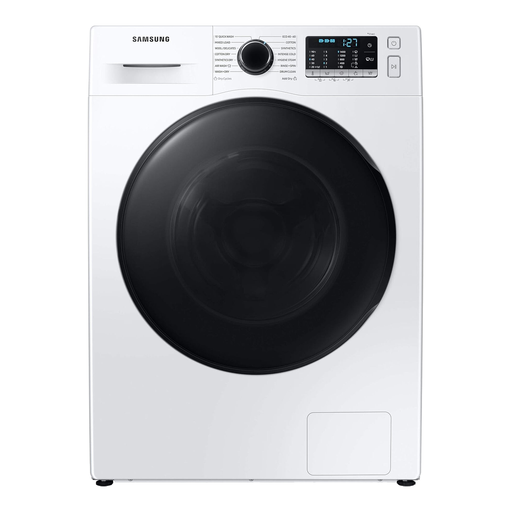
Samsung’s WD90HG5U34BBEU is a 9 kg wash / 6 kg dry option for buyers interested in guided cycle features.
Bosch lists washer-dryers in several capacity formats, including models suited to comparing integrated and freestanding installations.
Hotpoint’s NDB 8635 W UK provides a reference point for comparing an 8 kg wash / 6 kg dry format with a 54 cm appliance depth.
These freestanding models offer either 5 kg or 6 kg drying capacity for occasional dress loads or more frequent shared-house laundry. For any model, check the exact programme instructions against your dresses’ care labels and the space available for installation.
 No image available
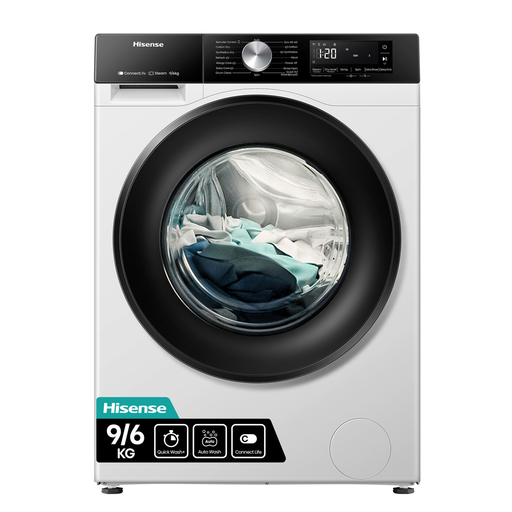
Consider its 6 kg drying rating if several housemates expect to dry laundry regularly; keep complete wash-and-dry loads within that limit.
The title specifies a 9 kg wash capacity and 1400 rpm spin speed. Check the programme instructions for dress-compatible washing and drying, and allow room for installation connections.
 No image available
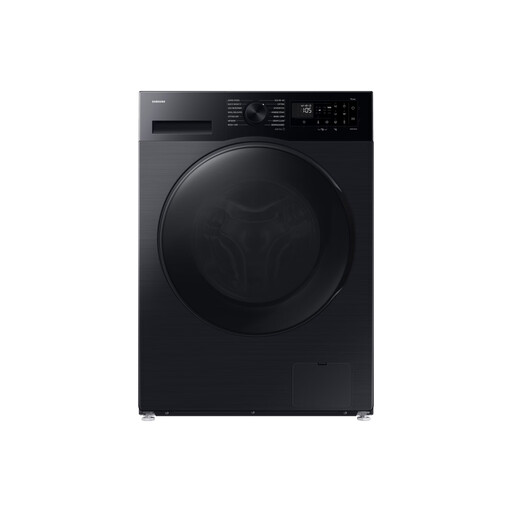
The 6 kg drying rating is worth comparing if drying is a regular part of the house’s laundry routine, rather than an occasional finish for one outfit.
The title specifies a 9 kg wash capacity. Before choosing it for dresses, check the available programmes and their load limits against each garment’s care label.
 No image available
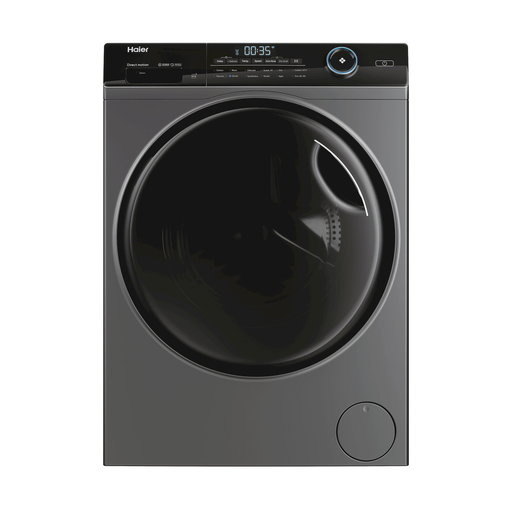
Its 6 kg drying rating gives a defined limit for planning shared drying loads.
The title specifies a 9 kg wash capacity and 1400 spin. Check the exact model’s dress-compatible programmes, applicable combined-cycle energy label and required installation clearance before comparing it with other machines.
 No image available
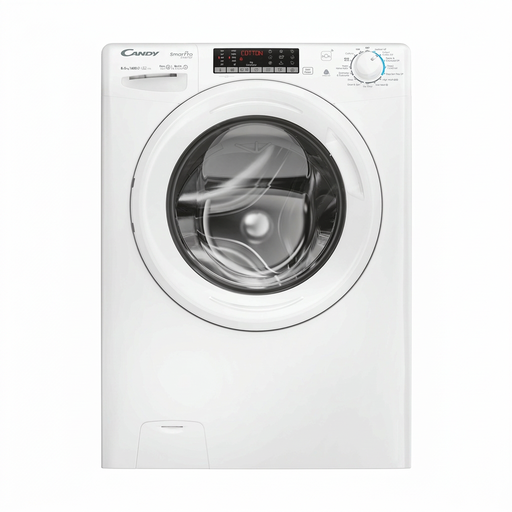
For occasional combined loads, plan around its 5 kg drying capacity rather than its larger wash rating.
The title specifies an 8 kg wash capacity and 1400 rpm spin speed. If turnaround matters, compare the complete wash-and-dry programme rather than a quick-wash time, and check whether its care settings suit your dresses.
 No image available
The 5 kg drying rating suits planning smaller combined loads when the house does not need a larger drying batch.
The title specifies an 8 kg wash capacity. Check dress-compatible programmes and the duration of a complete wash-and-dry cycle separately from any quick-wash claim.
No: permission to machine-wash a dress does not also permit tumble drying. Check both symbols on its care label; Bosch’s garment-symbol guide says a crossed-out tumble-dry symbol means the item should not be tumble-dried. Follow any gentler temperature or drying instructions on the garment.
Its rated drying load is 5 kg, even though its rated washing load is 8 kg. Keep a complete wash-and-dry load within the applicable drying and programme limits, or remove part of a larger wash load before drying.
Measure the usable bay, including space for connections and for the door to open. Allow around 25 mm at each side and roughly 50–150 mm behind a freestanding washer-dryer; follow the chosen model’s installation instructions if they require more.
Check your tenancy agreement and obtain the landlord’s or accommodation provider’s agreement before ordering or arranging installation. GOV.UK’s detailed electrical-safety guidance applies to England and excludes student halls of residence, so use the process appropriate to your accommodation rather than assuming the same arrangements apply everywhere.
Compare information for the complete wash-and-dry cycle, not washing-only figures. The appliance’s label and product information distinguish those uses; also check that the figures belong to the exact model and variant you are considering.