What matters when choosing?
Start with whether the machine can be installed in the utility room, then compare drying capacity with your usual batch. Programme choices and the wash-and-dry energy figures become more important according to how you plan to use it.
| Concern |
What to check |
Who this matters to |
| Fit and connections |
Measure the delivery route, door opening and usable recess, including space for hoses and plugs. Check the model’s water, drain and electrical requirements. |
If the utility room is shallow or access is tight, I need to know the machine can be delivered and connected before comparing programmes. Around 33% of consumers put fit and installation first. |
| Drying capacity |
Compare the wash capacity with the separate wash-and-dry capacity, using the batch you expect to dry as your guide. |
When face cloths share a load with towels or other household laundry, I want to know whether I must remove items before drying. For around 25% of consumers, drying the intended batch is the primary concern. |
| Residue and laundry handling |
Check for an extra-rinse option and suitable temperature settings; use the cloth’s care label and relevant guidance when contamination is a concern. |
If detergent residue worries me, or a cloth needs more cautious handling, I need a suitable washing routine rather than a reassuring programme name. Roughly 25% of consumers prioritise rinsing or handling needs. |
| Energy information |
Read both the wash-only and wash-and-dry sections of the energy label, including energy use, water use and cycle duration. |
If I expect to dry cloths regularly, I want figures for the combined cycle rather than a wash-only rating. Around 17% of consumers make that comparison their main priority. |
Brands to consider
These brand examples illustrate specifications and features to compare, rather than confirming that a particular model is currently available.
Bosch
A reference point for small-load programmes and the difference between washing and combined-cycle capacity.
- Bosch lists an 8 kg wash capacity, 5 kg wash-and-dry capacity, a 60-minute small-load wash-and-dry programme and automatic drying for the WNA134U8GB.
- Bosch marks that model as no longer available. Check the programmes and capacities of any current model separately.
Samsung
Useful to compare when recess depth and the size of occasional household loads pull the choice in different directions.
- Samsung lists the WD90DG5G34BBEU at 600 mm wide, 850 mm high and 480 mm deep, with 9 kg washing and 5 kg drying capacity.
- Other Samsung washer-dryers include an 11 kg/6 kg format; check the exact model’s dimensions and capacities rather than assuming the formats are interchangeable.
LG
A reference for comparing larger wash and dry loads alongside the two parts of a washer-dryer energy label.
- LG lists the FWV1128WTSA with 12 kg washing and 8 kg drying capacity in a 600 × 850 × 615 mm body, with different wash-only and wash-and-dry ratings.
- That example is discontinued. Confirm the dimensions, capacities and label figures for a current alternative.
Washer-dryers to compare on Joybuy
These freestanding washer-dryers offer different stated wash and drying capacities for face cloths and occasional household loads. Compare each model’s installation requirements and programme details with your utility room and laundry routine.
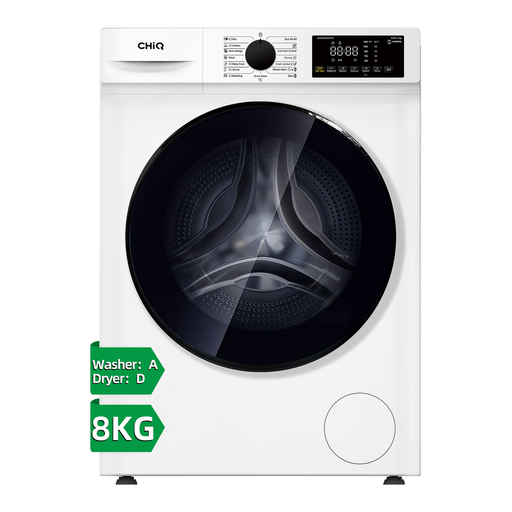 Image unavailable
CHiQ JKW85882HW 8 kg/5 kg Washer-Dryer
Consider this freestanding model if you want to wash small batches and sometimes dry them in the same appliance.
The product name states 8 kg washing capacity, 5 kg drying capacity and a 1400 spin rating. Check the installed dimensions and whether an extra-rinse option is available if residue is a concern.
View on Joybuy
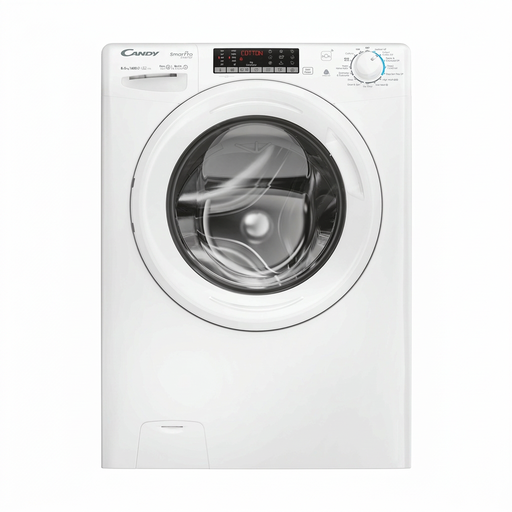 Image unavailable
Candy Smart Pro Inverter CSOW4856TWM6-80 8 kg/5 kg Washer-Dryer
This freestanding model is worth comparing if a modest batch needs to go from washing to drying without changing appliances.
The product name states 8 kg washing capacity, 5 kg drying capacity and 1400 RPM. Confirm installation clearances and the availability of an extra-rinse option for your routine.
View on Joybuy
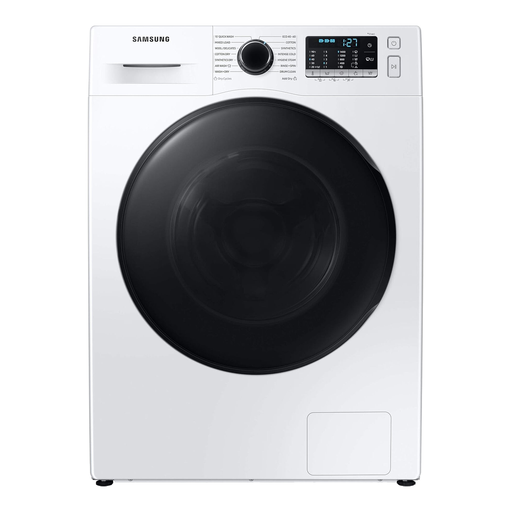 Image unavailable
Samsung Series 5 Ecobubble WD80TA046BE/EU 8 kg/5 kg Washer-Dryer
This model offers a stated capacity for washing face cloths alongside other small household loads and drying a smaller batch afterwards.
The product name states 8 kg washing and 5 kg drying capacity. Its listed Hygiene Steam programme name does not establish suitability for infection-related laundry; check the applicable guidance, care label and available rinse settings.
View on Joybuy
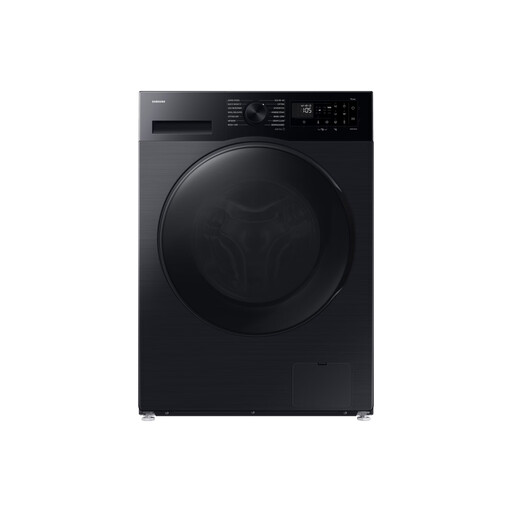 Image unavailable
Samsung Series 5 AI Energy WD90DG5G34BBEU Washer-Dryer
Consider this model if occasional larger wash loads matter, but establish the exact drying capacity and installed depth before deciding whether it suits the room.
The product name states 9 kg washing capacity. Drying-capacity and body-depth figures for this model conflict, so check the exact variant’s product information and installation manual rather than planning around either figure.
View on Joybuy
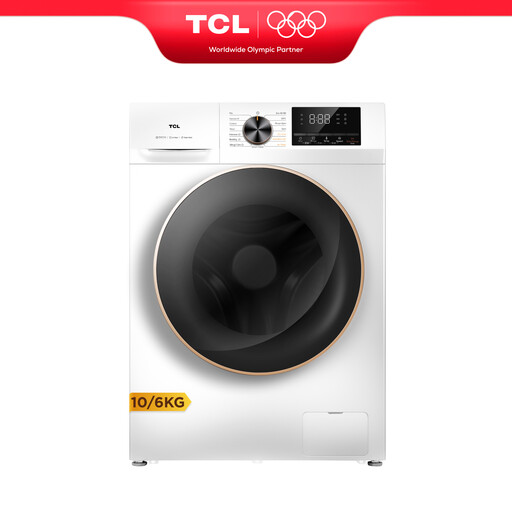 Image unavailable
TCL CP1210WA0 10 kg/6 kg Washer-Dryer
This freestanding model is a capacity option to consider when face cloths are only part of a larger household laundry routine.
The product name states 10 kg washing capacity, 6 kg drying capacity and a 1400 spin rating. Check its dimensions, installation clearances, extra-rinse settings and both sections of its energy label before choosing.
View on Joybuy
Frequently asked questions
Do face cloths need a dedicated hygiene programme?
Not for routine laundry as a general rule: choose a programme and temperature the cloth’s care label permits. An extra rinse may help if detergent residue concerns you. For laundry associated with a known infection, follow the relevant clinical guidance; Royal United Hospitals Bath NHS Foundation Trust gives separate-handling, 60°C washing and drying advice in its patient-laundry context, subject to what the fabric can tolerate.
Can a washer-dryer dry everything it washes in one cycle?
Only when the load is within its wash-and-dry capacity, which is normally lower than its wash capacity. Bosch lists 8 kg washing and 5 kg wash-and-dry capacity for the WNA134U8GB, for example; compare both ratings for the model you intend to buy.
What should I check before installing one in a utility room?
Check the delivery route, usable installation space and the chosen model’s connection requirements. Bosch’s general installation guidance covers a cold-water supply, a suitable drain connection and a level appliance; leave room for hoses, plugs and access according to the model’s manual.
Which energy figures matter if I regularly dry face cloths?
Compare the wash-and-dry figures as well as the wash-only figures. Energy Saving Trust explains that washer-dryer labels separate the two uses, so a wash-only rating should not stand in for the combined cycle; check energy use, water use, capacity and duration for the programme information relevant to you.


