Who this choice suits

Households with a compact utility room

If there is one practical appliance position, a washer-dryer combines washing and occasional drying. Measure beyond the machine body: Allow space at the sides and behind a freestanding appliance for ventilation, pipes and plugs.

People washing and drying small bedding loads

If you mainly wash pillowcases and other small items, check the load limit of a continuous wash-and-dry programme. Which? explains that a washer-dryer's drying capacity is lower than its washing capacity, so the dry rating matters even when a wash load fits comfortably.

Households washing bedding frequently

If pillowcases often go in with sheets or towels, compare the whole load with the machine's dry rating before expecting it to finish in one cycle. Separate appliances are also worth considering when drying larger loads regularly; Which? reports that most washer-dryers still dry less well than dedicated tumble dryers.

What matters when buying

Freestanding washer-dryer

Choose when: One appliance position needs to handle washing and occasional small-load drying.

Trade-off: A full wash load may need splitting before drying because the dry rating is lower, as Which? explains.

Separate washing machine and tumble dryer

Choose when: You regularly dry larger bedding loads and have space and suitable connections for two appliances.

Trade-off: This route needs more room, but avoids transferring a full wash load into a smaller-capacity dryer within the same machine. Which? reports better drying from dedicated tumble dryers than from most washer-dryers.

Concern What to check Who this matters to
Utility-room fit Measure usable width, height and depth from the pipes and plugs; check door-open space and the exact model's installation clearances. If the appliance bay is tight, I need to open the door and use the room without obstruction. Around 31% of consumers put usable space first.
Drying capacity Compare wash and dry ratings, then check the load limit and duration of the intended wash-and-dry programme. When pillowcases go in with other bedding, I want to know whether I can dry the load without splitting it. Around 25% of consumers chiefly prioritise drying throughput.
Fabric-care controls Match temperature, spin and programme options to the pillowcase care label; check for an extra-rinse option if it matters to you. For pillowcases with delicate fibres or particular care instructions, I need settings I can adjust rather than relying on a default cycle. Around 25% of consumers make fabric-care control their main concern.
Running information and noise Compare the exact models' energy labels, product information and declared noise figures; check the conditions attached to cycle-time claims. If the utility room is near occupied rooms, I want to assess noise alongside the information needed to compare regular wash-and-dry use. Around 19% of consumers put these checks first.

Buying pitfalls

  • Assuming the wash and dry ratings are the same

    Which? explains that a washer-dryer can wash more than it can dry. A load of pillowcases, sheets and towels that fits the wash drum may therefore need two drying batches.

    Compare both capacity figures and plan any load you intend to dry around the lower dry rating.

  • Measuring only the empty appliance bay

    Pipes, plugs and an open door can make a machine awkward to install or use even when its listed cabinet dimensions fit.

    Measure the usable opening, check the model's door-open dimensions and follow its installation-clearance guidance. Allow space around freestanding machines for ventilation and connections.

  • Treating a quick-cycle claim as an everyday cycle time

    A stated quick wash and a continuous wash-and-dry programme can have different load limits and durations. A short wash claim does not describe how long drying will take.

    Check the named programme, permitted load and pillowcase care labels before deciding whether that cycle fits your routine.

  • Choosing capacity for an occasional large load alone

    A larger wash drum does not remove the lower drying limit. Which? also notes that a larger machine may be less efficient when routinely used for small loads.

    Compare capacity with the loads you wash most often, then decide how you would handle occasional bedding washes.

Relevant brands to consider

Beko

The freestanding BMND8545U illustrates an 8 kg wash and 5 kg dry option for buyers considering smaller continuous wash-and-dry loads.

  • Beko UK states that this model can wash an 8 kg load in 28 minutes and wash and dry up to 5 kg in under three hours.
  • Those times belong to the named model and its stated programmes and load limits; check whether the relevant cycle suits your pillowcases.

Haier

Haier UK's HWD100-B14959NU1 illustrates a freestanding 9 kg wash and 6 kg dry option for comparing capacity with utility-room space.

  • Haier UK lists a 595 × 617 × 850 mm footprint and a 1400 rpm spin speed for this named model.
  • Check its exact dimensions, installation requirements and product information against the available space; these details do not describe every Haier model.

LG

LG UK's FWV796WTS illustrates a 9 kg wash and 6 kg dry option with a listed cabinet depth of 565 mm.

  • LG UK lists a 4 kg wash-to-dry programme within 180 minutes for this model.
  • LG separately lists a door-open depth of 1,100 mm. Check that dimension and the required installation clearances rather than judging fit by cabinet depth alone.

Freestanding washer-dryers on Joybuy

These freestanding washer-dryers are options to compare for washing pillowcases and occasionally drying loads in one utility-room appliance. Use the stated wash and dry ratings to narrow the choice, then check the exact model's installed dimensions and programmes against your space and fabrics.
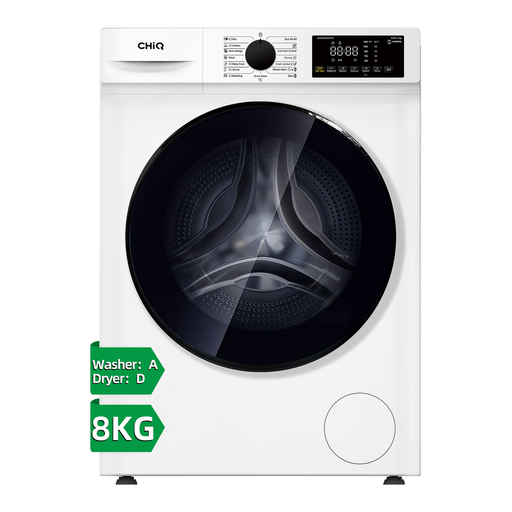
White CHiQ JKW85882HW freestanding washer-dryer

CHiQ JKW85882HW freestanding washer-dryer, white

Consider this for pillowcase loads if its dry rating accommodates everything you intend to dry in one go.

8 kg wash capacity; 5 kg dry capacity; 1400 spin, as stated in the product name.

Check the full space needed for door opening, pipes and plugs, as well as the programme details for your pillowcase fabrics.

View on Joybuy
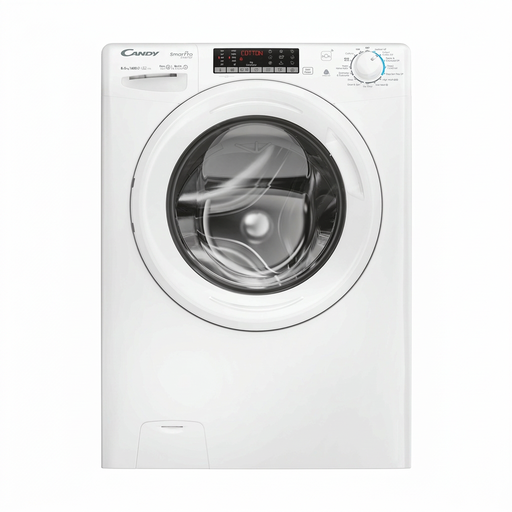
White Candy Smart Pro Inverter CSOW4856TWM6-80 washer-dryer

Candy Smart Pro Inverter CSOW4856TWM6-80 washer-dryer, white

Consider this if an 8 kg wash and 5 kg dry arrangement fits your usual pillowcase and small-bedding loads.

8 kg wash capacity; 5 kg dry capacity; 1400 RPM.

Check the conditions of the wash-and-dry programme and allow for the door and installation connections when measuring the bay.

View on Joybuy
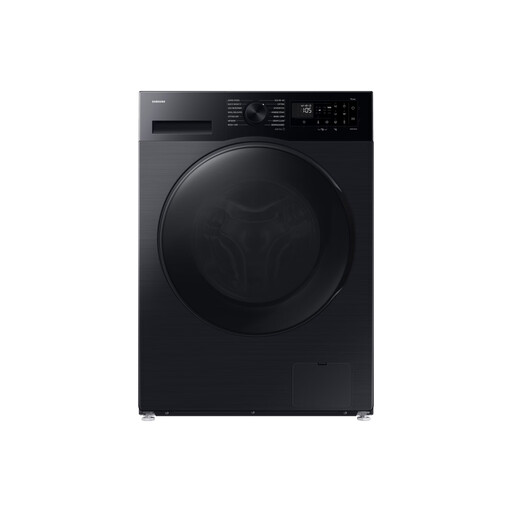
Black Samsung Series 5 AI Energy WD90DG5G34BBEU washer-dryer

Samsung Series 5 AI Energy WD90DG5G34BBEU washer-dryer, black

Its stated dry rating is worth comparing if pillowcases are often washed with a larger bedding load.

9 kg wash capacity; 6 kg dry capacity.

Confirm door-opening space and the load and fabric conditions of any programme you plan to use.

View on Joybuy
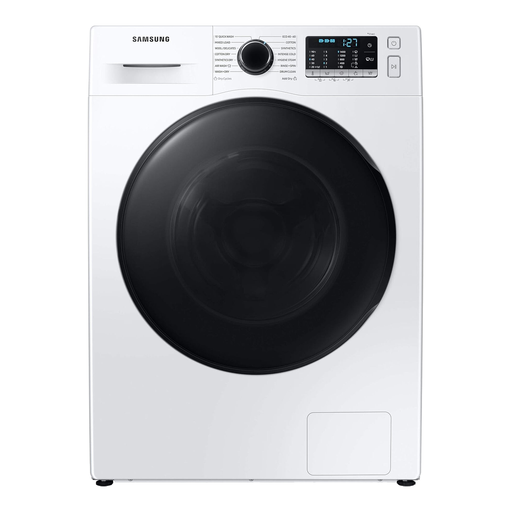
White Samsung Series 5 Ecobubble™ WD80TA046BE/EU washer-dryer

Samsung Series 5 Ecobubble™ WD80TA046BE/EU washer-dryer, white

Consider this for washing pillowcases and occasionally drying a load within its lower dry rating.

8 kg wash capacity; 5 kg dry capacity.

Check the full installation space and the continuous-cycle and fabric-care options for the loads you expect to run.

View on Joybuy
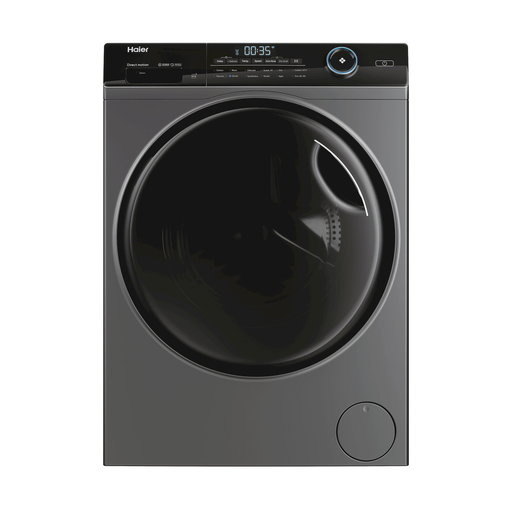
Graphite Haier I-Pro Series 5 HWD90B14959S8NUK washer-dryer

Haier I-Pro Series 5 HWD90B14959S8NUK washer-dryer, graphite

Its 6 kg dry rating may be relevant when pillowcases are combined with other bedding, provided the intended load fits the selected programme.

9 kg wash capacity; 6 kg dry capacity; 1400 spin, as stated in the product name.

Confirm the exact model depth and door-opening space before deciding whether it fits. Compare its product information and energy label for the applicable wash-and-dry figures.

View on Joybuy

Frequently asked questions

Should I choose a washer-dryer by its wash or dry capacity?

Choose by the dry rating for any load you want the machine to wash and dry without interruption. Which? explains that washer-dryers have a lower dry capacity than wash capacity, so a bedding load that fits for washing may need dividing before drying.

How much space should I allow around a utility-room washer-dryer?

Measure the usable opening in front of pipes and plugs, then allow for the door to open and for the exact model's installation clearances. As general measurement guidance, allow around 25 mm at either side and roughly 50–150 mm behind a freestanding machine for ventilation and connections; follow the requirements for the machine you choose.

Can a washer-dryer handle regular full bedding loads?

It can dry a bedding load only if that load fits its rated dry capacity and the selected programme's limit. If full-load drying is a regular priority and there is space for two appliances, consider a separate dryer; Which? reports that most washer-dryers still dry less well than dedicated tumble dryers.

Can I use a quick programme for pillowcases?

Use one if the pillowcase care label and the programme's fabric and load limits make it appropriate. A quick wash is not necessarily a quick wash-and-dry cycle: for example, Beko UK states a 28-minute 8 kg wash for BMND8545U, while its separate continuous wash-and-dry claim applies to a load of up to 5 kg.

What should I compare on the energy information?

Compare the information for the exact models and cycles you expect to use, particularly the wash-and-dry figures rather than a washing figure alone. Check the product information alongside the label, and treat a claimed saving or short cycle time as specific to its stated model, programme and load conditions.