A washer-dryer is worth considering if you need to wash and dry face cloths without making room for a separate tumble dryer. Choose by the exact model’s drying capacity and programmes, not its wash capacity alone; an extra-rinse option matters more if detergent residue concerns you. Follow each cloth’s care label rather than assuming a hygiene, steam or quick programme suits every wash.
Who this suits
Regular cloth users with limited space
If you wash face cloths often but have room for only one laundry appliance, a wash-to-dry routine may be useful. Check the drying limit as well as the wash capacity: Which? notes that washer-dryers have a lower drying capacity than washing capacity.
Households concerned about detergent residue
If cloths are used on sensitive or eczema-prone skin, an extra-rinse control may be worth prioritising. Which? identifies extra rinsing as a useful option for people with eczema, sensitive skin or allergies.
Households handling hygiene-sensitive laundry
If you sometimes wash textiles soiled by someone with a known infection, check the available temperatures alongside the cloth’s care label. Sandwell and West Birmingham NHS Trust’s guidance calls for a wash of 60°C or higher in that specific situation and warns that some fabrics can shrink at high temperatures.
What to check before buying
Start with the space available and the amount you intend to wash and dry together. Then check the controls that matter for your cloths, particularly rinsing and fabric-compatible temperatures.
| Concern | What to check | Who this matters to |
|---|
| Drying in limited space |
Compare wash-and-dry capacity with wash capacity, and check for a small-load wash-and-dry programme and suitable installation dimensions. |
If I have room for one appliance, I want modest batches of face cloths washed and dried without transferring them. Around 44% of consumers put that one-appliance routine first. |
| Rinsing cloths used on sensitive skin |
Confirm that the exact model offers extra rinse and check which programmes allow it. |
When detergent residue concerns me, I want more control over rinsing cloths that touch my face. Roughly 33% of consumers prioritise that rinse control. |
| Temperature and fabric care |
Check the model’s temperature programmes against the cloth’s care label, particularly for infection-associated laundry. |
If I sometimes handle hygiene-sensitive laundry, I need a suitable wash temperature without disregarding the fabric instructions. About 23% of consumers make that flexibility their main concern. |
Common buying mistakes
-
Choosing by wash capacity alone
Which? notes that a washer-dryer’s drying capacity is lower than its washing capacity. A full wash load may therefore need to be divided before drying.
Compare the exact model’s drying limit with the loads you expect to run, and check whether it has a wash-and-dry programme suitable for a modest batch.
-
Using 60°C for every face-cloth wash
Sandwell and West Birmingham NHS Trust’s 60°C-or-higher guidance applies to laundry soiled by someone with a known infection, not every ordinary cloth wash. Its guidance also cautions that high temperatures can shrink some fabrics.
Start with the cloth’s care label and choose a hotter wash only when the circumstances and fabric instructions call for it.
-
Reading the wash-only energy class as the drying rating
The two ratings can differ: LG lists B for washing and E for wash-and-dry use on its FWV696WSE, while AEG lists A and D respectively for its LWR7116O4B.
If you expect to dry cloths regularly, compare the combined-cycle information for the exact models you are considering.
-
Assuming programmes are shared across a brand
Extra rinse, small-load wash-and-dry and hygiene programmes serve different purposes and vary by model.
Check the exact model’s programme list or manual for the controls you plan to use.
Brands to consider for specific washer-dryer features
Bosch
A reference point for comparing stated wash and combined-cycle capacities with small-load programmes on individual models.
- Bosch lists a 10.5 kg wash capacity, 6 kg maximum wash-and-dry capacity and Wash & Dry 60 small-load programme for the WNG25401GB.
- Those figures and programmes belong to the WNG25401GB; check the specifications of any other Bosch model separately.
LG
Useful for comparing dimensions, rinse controls and separate energy information on a named freestanding model.
- LG specifies 9 kg wash and 6 kg dry capacities, 565 mm product depth and an extra-rinse option for the FWV696WSE.
- LG lists a B wash energy class but an E wash-and-dry class for that model; use the rating for the cycle you expect to run.
AEG
A reference for model-specific drying levels and programmes when comparing a washer-dryer for mixed household loads.
- AEG lists 10 kg wash and 6 kg dry capacities and a 1 kg Wash&Dry 60 programme for the LWR7116O4B.
- Its stated maximum depth is 660 mm, which needs checking against the intended installation space; its wash-and-dry energy rating is D.
Beko
A reference for comparing different wash and dry capacity combinations, including integrated models.
- Beko’s UK range lists combinations including 8 kg wash/5 kg dry and 12 kg wash/8 kg dry.
- Capacity does not establish the available rinse or small-load programmes; check the dimensions, energy information and controls of the exact model.
Joybuy washer-dryers to consider
These freestanding and integrated washer-dryers offer one-appliance washing and drying for households considering a face-cloth routine. Compare their stated drying limits, then check the exact programme list for small loads, extra rinsing and temperatures relevant to your cloths.
 No image available
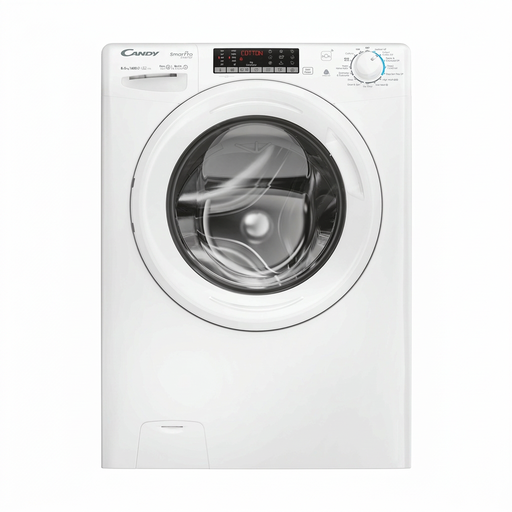
Candy Smart Pro Inverter CSOW4856TWM6-80 washer-dryer
Consider this freestanding model if you want to wash and dry cloths in one appliance.
Its listed capacities are 8 kg for washing and 5 kg for drying, with a 1400 rpm spin specification. Check the programme list for a small-load wash-and-dry cycle, extra rinse and temperatures suited to your cloths; a quick wash should not be mistaken for a quick wash-and-dry cycle.
View on Joybuy
 No image available
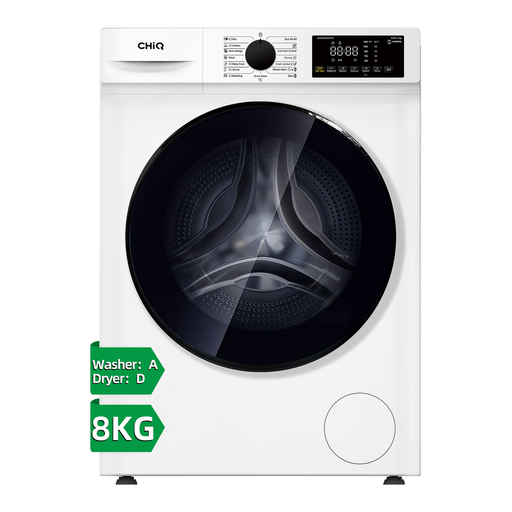
CHiQ JKW85882HW freestanding washer-dryer
This freestanding option is worth comparing if you need one appliance for washing and drying and are planning around limited space.
The title specifies 8 kg wash and 5 kg dry capacities. Check the installation clearance as well as the model’s small-load, extra-rinse and temperature options.
View on Joybuy
 No image available
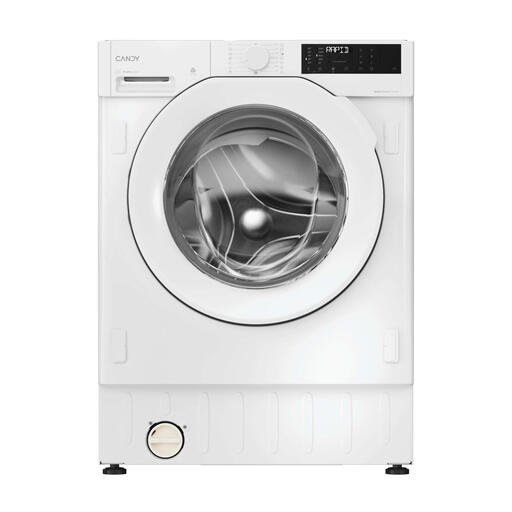
Candy BC4S496M6D8-80 integrated washer-dryer
Consider this integrated model if the washer-dryer needs to fit behind a kitchen cabinet door.
Its title lists 9 kg wash and 6 kg dry capacities and a 1400 rpm spin specification. Confirm cabinet and door fit, the combined-cycle energy information and the programmes you need for cloth care.
View on Joybuy
 No image available
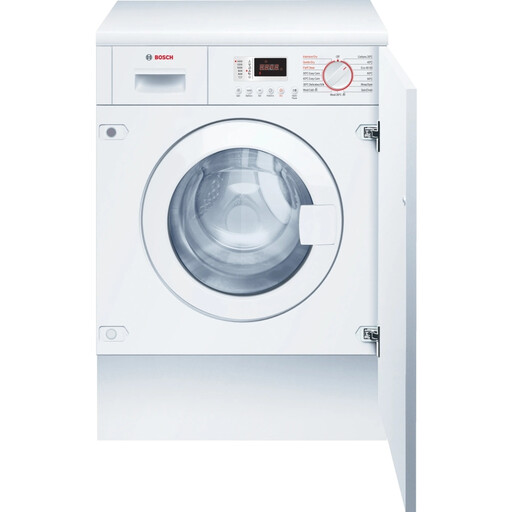
Bosch WKD28352GB Series 4 integrated washer-dryer
This integrated model may suit a fitted kitchen where laundry appliances are kept behind cabinetry.
Its stated capacities are 7 kg for washing and 4 kg for drying, so follow the smaller limit when drying after a wash. Check cabinet fit and the exact model’s small-load, rinse and temperature controls.
View on Joybuy
 No image available
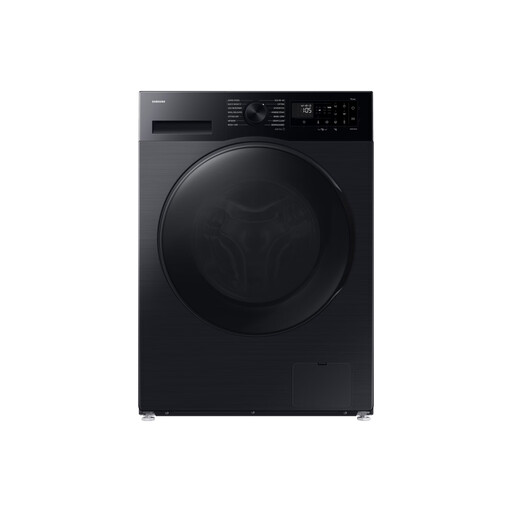
Samsung Series 5 AI Energy WD90DG5G34BBEU washer-dryer
Consider this freestanding washer-dryer if you want one appliance for cloths alongside other household laundry.
The title specifies 9 kg wash and 6 kg dry capacities. Check installation clearance and the exact programme list before relying on it for small wash-and-dry loads, extra rinsing or a particular temperature.
View on Joybuy
Frequently asked questions
Do ordinary face cloths need a 60°C wash?
Not automatically: Sandwell and West Birmingham NHS Trust says laundry that is not soiled or associated with a known infection can be washed normally. Its 60°C-or-higher guidance concerns laundry soiled by someone with a known infection; check that the cloth’s care label permits the temperature.
Why check both wash and dry capacity?
A washer-dryer cannot necessarily dry everything it can wash in one load: Which? explains that drying capacity is lower than washing capacity. Compare the two figures for the exact model if you want a wash-to-dry cycle without dividing the load.
Can a steam or hygiene programme replace checking the wash temperature?
No: those features are model-specific and do not by themselves establish a suitable wash for every cloth. Check the programme instructions and the cloth’s care label, particularly before selecting a high temperature that could shrink an unsuitable fabric.
Which energy information matters if I regularly dry face cloths?
Compare the wash-and-dry information for the exact model, not just its wash-only rating. The UK Department for Energy Security and Net Zero and Office for Product Safety and Standards say an energy label for in-scope products must be displayed at the point of sale, including on a website; check the product information alongside it when comparing cycles.


