Homes without room for a separate dryer
You want one appliance to wash and dry hand towels and can accommodate drying batches smaller than the full wash load.


Choose a washer-dryer by the number of towels you need to dry in one run, not just its larger wash-capacity figure. Washer-dryers have separate washing and drying limits, so a full wash load may need to be divided before drying. Check the programmes against your towels’ care labels, consider an extra-rinse option if detergent residue concerns you, and compare energy information for the cycle you expect to use.
You want one appliance to wash and dry hand towels and can accommodate drying batches smaller than the full wash load.
You regularly wash hand towels with bath towels or other cotton laundry and need to judge drying capacity separately from washing capacity.
You want to choose suitable wash and rinse settings while avoiding care habits that can reduce absorbency. John Lewis & Partners advises using fabric conditioner sparingly rather than in every towel wash.
For hand towels, start with the amount you want dry at the end of one run. Then check the appliance’s fit, programme options and energy information for the way you will use it.
| Concern | What to check | Who this matters to |
|---|---|---|
| One-appliance convenience | Check the appliance dimensions and whether a continuous wash-and-dry programme suits your towel load. | If there is no space for a separate dryer, I need one appliance that can finish a manageable batch of towels. Around 40% of consumers put this space-saving need first. |
| Towel drying capacity | Compare rated drying capacity in kg with your usual towel batch, separately from wash capacity. | When towels build up between washes, I want to know how much can be dried in one run. For around 30% of consumers, that drying limit is the primary concern. |
| Absorbency and rinsing | Check for a suitable cotton programme and an extra-rinse option; follow each towel’s care label. | I want to manage detergent residue without relying on frequent fabric conditioner use that could reduce absorbency. Around 20% of consumers prioritise this towel-care need. |
| Energy information | Compare the energy label and product information sheet for the relevant wash-only or wash-and-dry use. | If I expect to dry towels in the appliance regularly, I need figures for that use rather than a wash-only figure. This is the main concern for around 10% of consumers. |
A washer-dryer can wash more than it can dry in a continuous cycle. A towel load that fits the wash limit may still need two drying runs or some air-drying.
Plan around the rated drying capacity and the limit of the programme you intend to use.
Temperature needs depend on the laundry and its care label. Sandwell and West Birmingham NHS Trust specifies a wash of 60°C or higher for towels from somebody with a known infection; that instruction should not be applied to every ordinary towel load.
Check the towel care label and programme instructions before selecting a temperature, particularly when handling infection-related laundry.
John Lewis & Partners advises that fabric conditioner can decrease towel absorbency when used frequently.
Use it sparingly, and check for an extra-rinse option if detergent residue is your concern.
Removing an existing washer-dryer can require separate arrangements from installing its replacement.
Ask the seller about disconnection, collection or drop-off, recycling and access requirements before ordering.
These model and product-line examples illustrate different capacity and programme questions; check the specifications of the particular appliance you intend to buy.
Bosch’s WNA144V9GB is an example for buyers comparing a 9 kg wash capacity with a smaller continuous wash-and-dry limit.
Samsung’s WD90HG5U34BBEU is a 9 kg wash and 6 kg dry example with fabric-sensing features.
Haier’s UK 10 kg collection includes freestanding and built-in washer-dryers listed with 10 kg washing and 6 kg drying capacity.
Hotpoint’s HBD 9681 AntiStain is a 9 kg wash and 6 kg dry example with a programme described for bedding and towels.
These choices have stated 6 kg drying capacities alongside either 9 kg or 10 kg washing capacities. Compare the drying limit with your usual towel batch, then check programme options and installation requirements for the model you prefer.
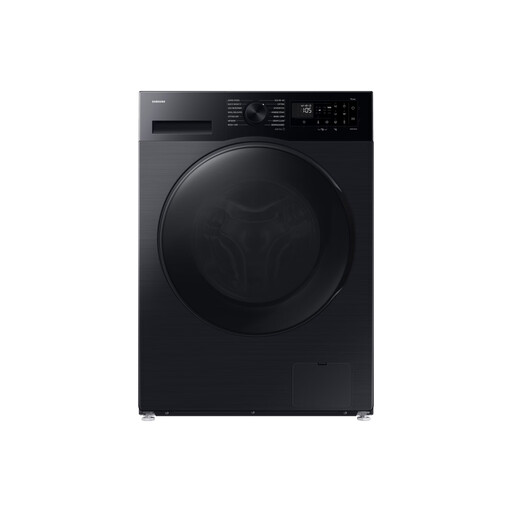 No image available
Consider this model if a 6 kg drying limit matches the towel batch you want to finish in one run.
The listed capacities are 9 kg for washing and 6 kg for drying. Check its programme list for the cotton and rinse settings you need, and compare the applicable energy-label figures before buying.
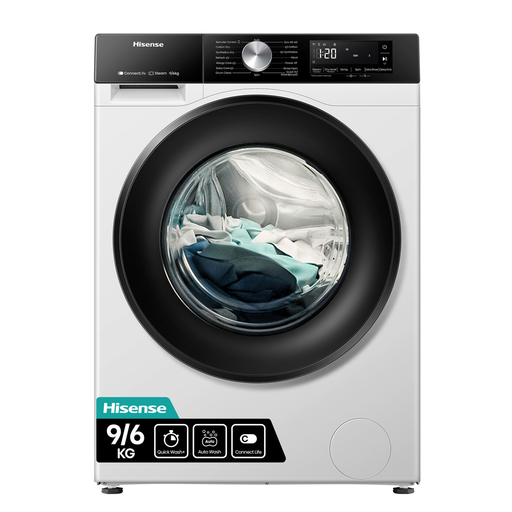 No image available
This is another 6 kg drying-capacity choice for households planning moderate towel batches.
Its title states 9 kg washing, 6 kg drying and a 1400 rpm spin speed. Confirm the installation instructions and the programmes available for your towels.
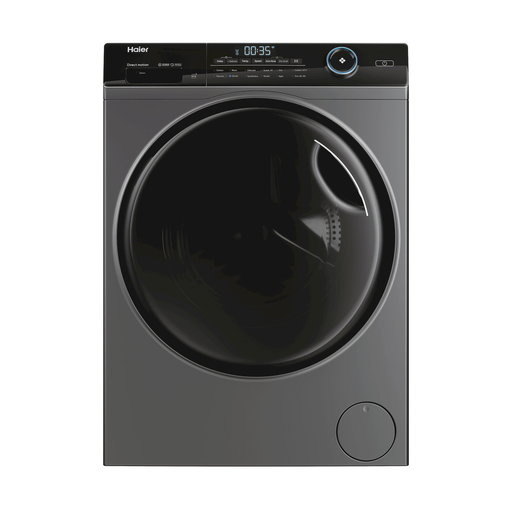 No image available
Consider this model when a 6 kg drying limit suits your towel loads and you want a freestanding appliance.
The listed capacities are 9 kg washing and 6 kg drying. Check the programme list for suitable towel care and use the product information sheet to identify the applicable wash-and-dry energy figures.
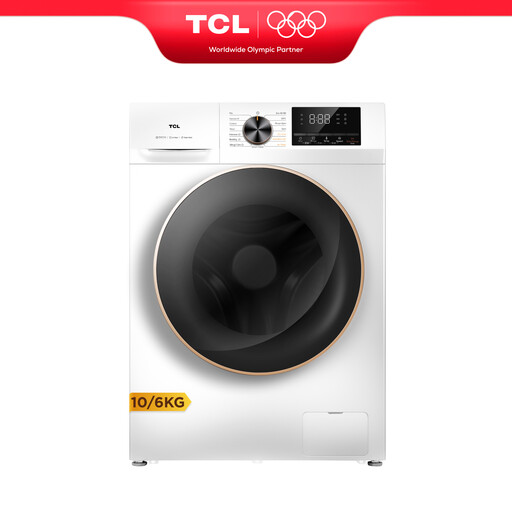 No image available
The larger wash capacity may suit you if laundry accumulates between washes, provided you plan towel drying around the smaller limit.
Its title states 10 kg washing, 6 kg drying and a 1400 rpm spin speed. Check the appliance dimensions, towel-care programmes and cycle-specific energy-label figures before choosing it.
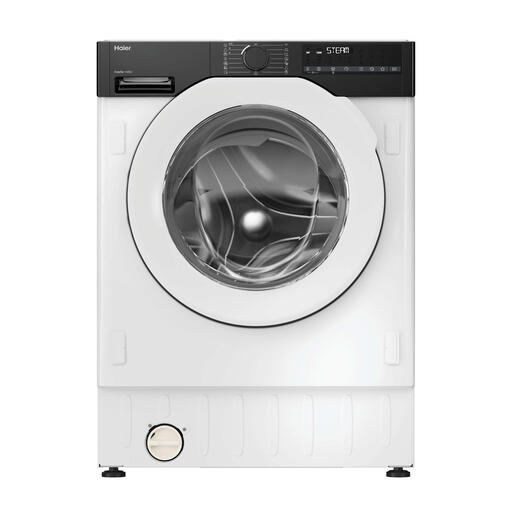 No image available
Consider this model if you need an integrated appliance and its 6 kg drying limit fits your towel batch.
Its title states 9 kg washing, 6 kg drying and a 1600 rpm spin speed. Check cabinet fit, door and installation requirements, along with the programme list and energy information.
Only if that load fits the model’s rated drying capacity and the selected continuous programme. Washing and drying limits differ: Bosch, for example, lists its WNA144V9GB at 9 kg for washing but 5 kg for wash-and-dry, so a larger washed load would need to be divided or partly air-dried.
No; choose a temperature appropriate to the laundry and the towel care label. Sandwell and West Birmingham NHS Trust specifies 60°C or higher for towels from somebody with a known infection, where the material can tolerate that temperature, rather than as a default for ordinary towels.
Yes. John Lewis & Partners advises using fabric conditioner sparingly and not in every wash because it decreases absorbency. If detergent residue concerns you, check whether the washer-dryer has an extra-rinse option.
Compare the figures for wash-and-dry use, not just wash-only use. GOV.UK guidance describes energy labels and product information sheets for products in scope; check the documentation displayed for the specific appliance and market where you are buying.
Ask the seller how take-back or recycling of your old appliance works before ordering. GOV.UK guidance describes a retailer take-back obligation for waste electrical equipment of the same type as the item purchased; confirm the available drop-off or collection arrangements and any preparation needed at your address.