Shared-house laundry coordinators
People organising recurring loads for several housemates need to plan around a washer-dryer’s lower drying capacity, especially when cotton tablecloths share the drum with other laundry.


Choose a washer-dryer by the tablecloth load you need to wash and the smaller load you can dry in one cycle, rather than by wash capacity alone. For a shared house, a larger freestanding model may help with recurring loads, while an integrated model makes sense only if the kitchen can accommodate it. Check the tablecloth care labels, appliance dimensions, spin noise and energy information for the cycles you expect to use; air-drying or drying in batches may still be necessary.
People organising recurring loads for several housemates need to plan around a washer-dryer’s lower drying capacity, especially when cotton tablecloths share the drum with other laundry.
Where one appliance must handle both washing and drying, the choice depends on the available space and whether the kitchen is set up for a freestanding or built-in machine.
Housemates arranging laundry around shared rooms and electricity use have reason to compare spin-noise figures, cycle information and the size of their usual loads.
A freestanding machine allows a different placement choice from a built-in one, but neither format removes the need to check dry-load capacity. If tablecloths exceed that limit after washing, plan to air-dry some or use separate drying batches.
Consider it when: Several housemates regularly have substantial loads and the available space suits a freestanding appliance.
Trade-off: Even a 10 kg wash / 6 kg dry model cannot dry its full maximum wash load in one combined cycle.
Consider it when: The kitchen has a compatible cabinet opening and an integrated installation is needed.
Trade-off: Cabinet, door and installation requirements narrow the choice; capacity and noise still vary by model.
| Concern | What to check | Who this matters to |
|---|---|---|
| Recurring wash loads | Compare wash capacity in kg with your usual loads, and check for a cottons programme that can be used within each tablecloth’s care instructions. | When several housemates need the machine, I want to wash recurring tablecloth loads without creating a queue or routinely running a nearly empty drum. Around 33% of consumers would put wash-load capacity first. |
| Drying the load | Check the separate wash-and-dry capacity in kg, then decide whether air-drying or smaller drying batches are practical. | If I need tablecloths dry from the machine, I need to know whether the washed load can remain in for the combined cycle. Roughly 25% of consumers would make drying capacity their primary concern. |
| Cycle energy information | Compare the exact model’s energy label and product information sheet, distinguishing washing alone from a complete wash-and-dry cycle. | With several people using the appliance, I want to assess the cycle we will actually run rather than rely on a wash-only rating. Around 25% of consumers would prioritise energy information. |
| Fit and shared-space noise | Measure height, width and depth for the intended installation; compare the exact models’ stated spin-noise figures in dB. | When the machine sits near shared living space, I need it to fit properly and want to judge whether its stated spin noise suits our routine. Approximately 17% of consumers would put fit and noise first. |
Which? explains that washer-dryers have a lower drying capacity than washing capacity. A full wash load may therefore leave tablecloths waiting for another drying batch.
Use the combined-cycle load limit when deciding whether everything can stay in the machine until dry.
Haier lists different wash and combined-cycle information on some models. A wash-only class does not describe the complete routine if housemates frequently machine-dry tablecloths.
Compare the intended cycle on the exact model’s energy label and product information sheet.
A larger capacity is useful only when it suits the laundry being washed. Energy Saving Trust identifies load size and wash temperature as factors in washing-machine energy use.
Size the machine around recurring loads, without routinely running it nearly empty or packing tablecloths too tightly.
An appliance that appears to fit across the space may still be unsuitable because of its depth or, for a built-in model, cabinet and door requirements.
Measure the installation space and check the chosen model’s dimensions and fitting instructions before ordering.
Bosch lists washer-dryers with different wash and dry capacity combinations, including 10 kg wash / 6 kg dry models.
Haier lists freestanding and built-in washer-dryers, including 10 kg wash / 6 kg dry configurations.
LG lists 10 kg wash / 6 kg dry washer-dryers, with connected-control and quick-cycle features advertised on selected models.
These freestanding and integrated washer-dryers offer stated wash and dry capacities to compare with recurring tablecloth loads. Choose between them only after checking your installation space and how much laundry needs machine drying at once.
 No image available
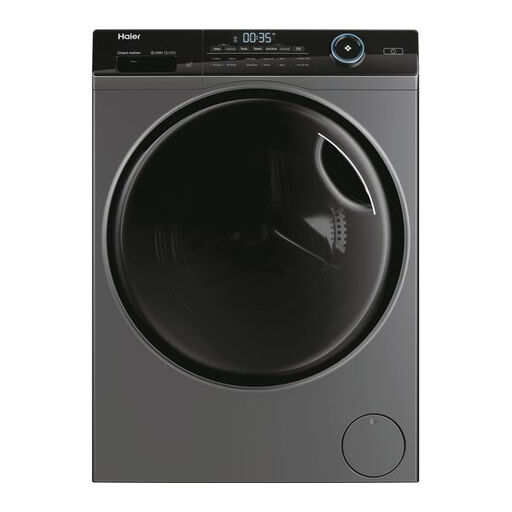
Consider this freestanding model when recurring shared-house loads call for its stated 10 kg wash capacity. Its 6 kg drying limit means a larger washed load needs to be split or partly air-dried; check the programme list against the tablecloth care labels.
 No image available
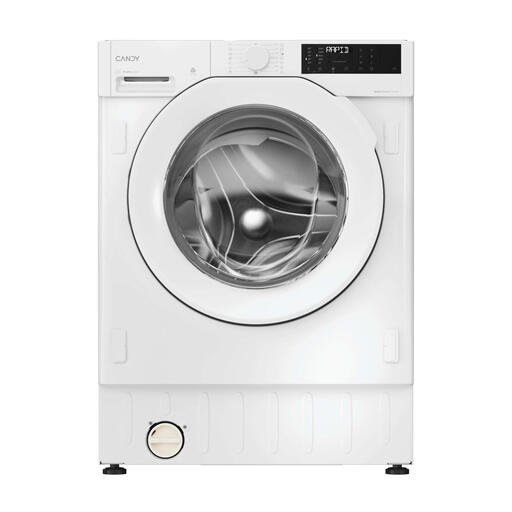
Consider this integrated model only where the cabinet and installation requirements can be met. It has stated capacities of 9 kg for washing and 6 kg for drying, so a full wash load may need a separate drying plan; check its cottons programmes and complete-cycle energy information.
 No image available
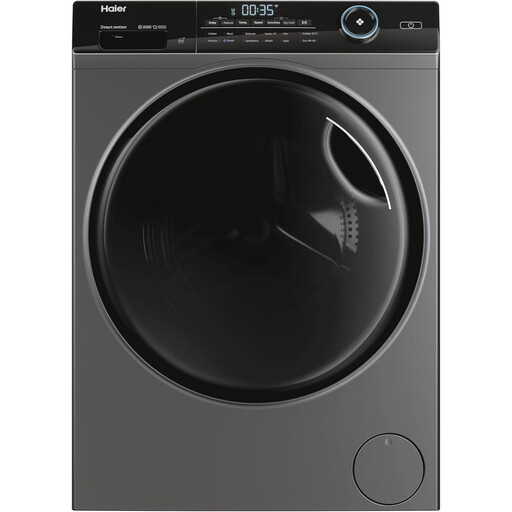
This model offers a stated 8 kg wash capacity alongside a 6 kg drying limit for housemates assessing smaller wash batches. Plan another drying method for loads above that limit, and check the exact energy-label cycle information and cottons programme before choosing it for tablecloths.
 No image available
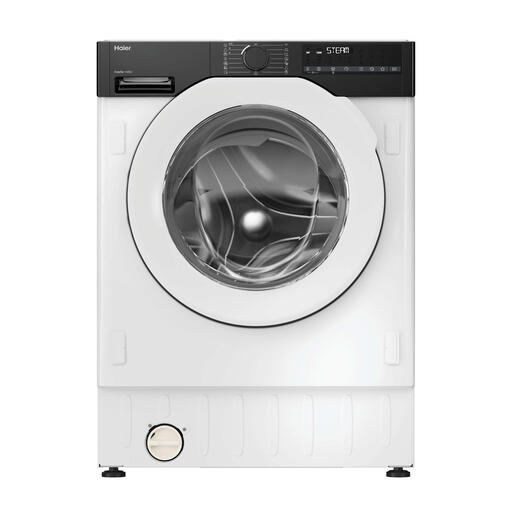
This integrated model is an option for a kitchen that meets its cabinet and installation requirements. The stated 9 kg wash and 6 kg dry capacities call for a drying plan when the wash load is larger; compare the exact model’s product sheet and programme list before deciding.
 No image available
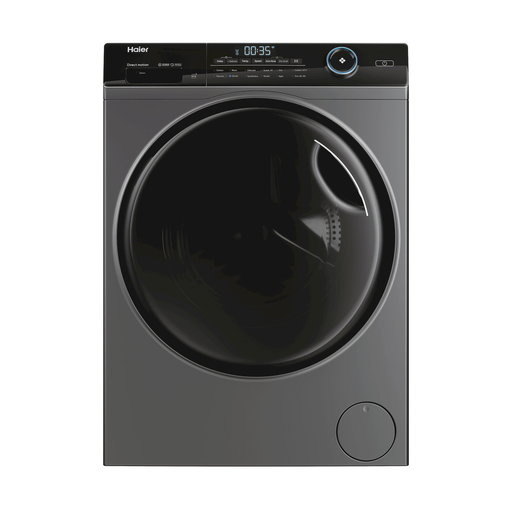
Consider this freestanding model if its stated 9 kg wash and 6 kg dry limits suit the house’s usual loads. Check the final installation depth, the exact combined-cycle energy information and the cottons programme; a wash load above 6 kg will need a separate drying plan.
Only if the load is within the washer-dryer’s separate wash-and-dry capacity. Which? explains that drying capacity is lower than washing capacity, so remove excess items to air-dry or dry them in another batch.
Start with each tablecloth’s care label, then choose a suitable cotton programme and permitted temperature for the level of soiling. A programme name does not override the textile’s washing instructions.
Compare the exact washer-dryer’s information for a complete wash-and-dry cycle, not just washing alone. Check its energy label and product information sheet for the cycle you expect the shared house to use.
Match loads and temperatures to the laundry rather than routinely running small loads or overfilling the drum. Energy Saving Trust identifies load size and wash temperature as important factors; use a lower temperature only when the tablecloth care label and level of soiling permit it.
Check the chosen model’s dimensions, installation instructions, cleaning guidance and warranty terms before buying. For an integrated appliance, confirm cabinet and door compatibility as well; advertised cleaning features do not replace the model’s maintenance instructions.