Shared-house tablecloth washers
Students and housemates washing cotton tablecloths alongside ordinary laundry who want a useful batch size without overlooking the smaller drying limit.


Choose a washer-dryer if the student house needs one appliance for both washing and occasional drying, but compare its wash and dry capacities separately: a full wash load may be too large to dry in one cycle. For regular cotton-tablecloth batches, weigh the extra washing room of a 9 kg or 10 kg model against the drying limit, available space, programme time and the exact model’s energy-label figures.
Students and housemates washing cotton tablecloths alongside ordinary laundry who want a useful batch size without overlooking the smaller drying limit.
Renters and students considering a freestanding washer-dryer instead of separate machines, provided its dimensions and installation requirements suit the property.
Households comparing model-specific energy information and deciding whether they will regularly fill a larger wash drum.
Start with the size of the tablecloth load and how much of it needs machine drying, then check programme limits and the installation space. Which? explains that washer-dryers have a lower drying capacity than washing capacity, so the larger wash figure alone cannot describe a continuous wash-and-dry load.
| Concern | What to check | Who this matters to |
|---|---|---|
| Wash and dry capacity | Compare both rated capacities in kg. Check the drying limit before planning to wash and dry a batch without unloading it. | If I wash tablecloths with other shared laundry, I want a useful wash batch without having to divide every load for drying. Around 29% of consumers put workable wash and dry capacity first. |
| Turnaround and shared access | Check each relevant programme’s load limit and duration, and whether its stated time is for washing only or washing and drying. | When several housemates need the machine, I want to know when a load will finish rather than assume a quick wash includes drying. Roughly 29% of consumers make turnaround their primary concern. |
| Energy and water use | Read the exact model’s energy label and product information sheet; compare figures for the function you expect to use and a capacity you can fill regularly. | With utility bills shared, I need to weigh the appliance’s labelled use against our usual load size. Around 21% of consumers put running-use comparisons first. |
| Fit and noise | Measure the route into the property and the final space, including required clearances; check labelled noise information and any tenancy requirements. | If the machine will sit near shared living or study space, I need it to fit and its stated noise level to suit the household. Approximately 21% of consumers prioritise fit and noise. |
An 8 kg/5 kg or 9 kg/5 kg machine can wash more than it can dry in one load. A full wash may need to be partly removed before drying.
Plan a continuous cycle around the model’s stated wash-and-dry or drying limit, not just its wash capacity.
Splitting a load can mean another drying cycle or time spent drying part of it separately.
An energy grade or a programme-specific saving claim does not, by itself, describe the figures for the wash or wash-and-dry routine the house will use.
Compare the exact models’ labels and product information sheets on the same function and relevant load size.
A quick wash and a quick wash-and-dry programme can have different load limits. The tablecloth’s care instructions and soil level also affect the choice of cycle.
Check the care label and the model manual before relying on a named quick programme.
The appliance must fit its route into the house and its final position, with the connections and clearances specified for that model. Shared rooms also make labelled noise information worth comparing.
Measure the space, read the installation instructions and confirm any relevant landlord or tenancy conditions before ordering.
Beko’s BMND8545U illustrates a freestanding 8 kg wash / 5 kg dry option for houses prepared to split larger loads before drying.
Bosch Home UK specifies its WNA144V9GB at 9 kg for washing and 5 kg for a wash-and-dry cycle, illustrating a larger-wash, smaller-dry option.
LG’s UK FWY696WWLN1 illustrates a 9 kg wash / 6 kg dry format for buyers who want to dry a larger portion of a wash in the same appliance.
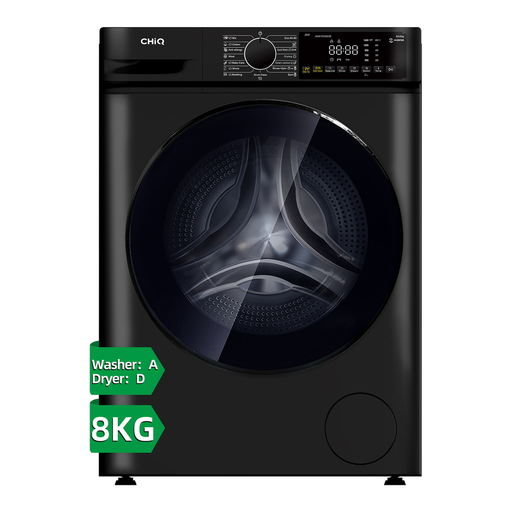
The Joybuy listing for CHiQ JKW85882HB illustrates another freestanding 8 kg wash / 5 kg dry option.
These freestanding washer-dryers offer different wash and dry capacity combinations for shared-house laundry. Choose a capacity around the loads you expect to run, then check the exact model’s cotton-programme instructions, dimensions and energy information.
 No image available
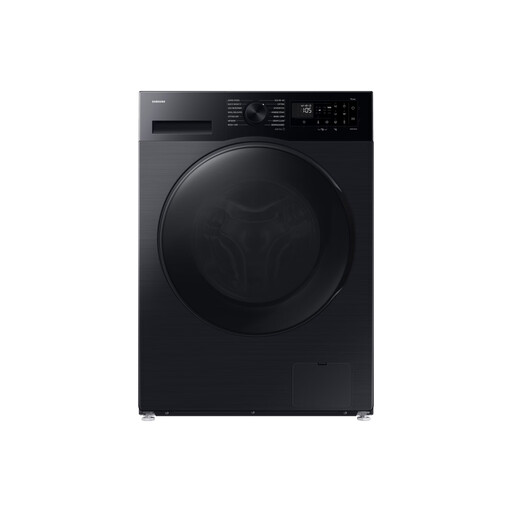
Consider this capacity combination when a larger shared wash batch and up to 6 kg of machine drying matter.
The product name states 9 kg washing, 6 kg drying and A/D ratings. A wash above the drying limit needs to be divided before machine drying; check the relevant programme instructions against the tablecloth care labels.
 No image available
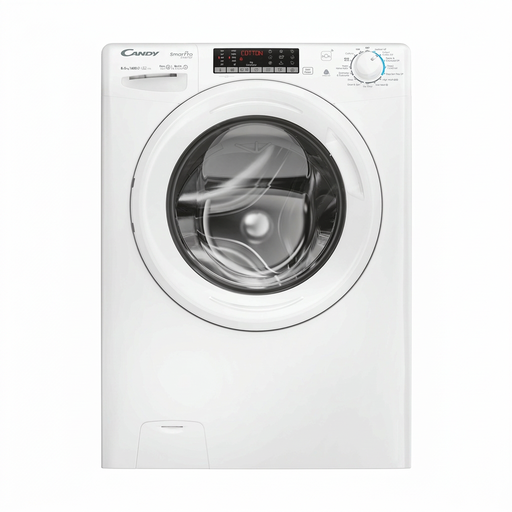
This combination suits a house considering modest tablecloth batches or willing to divide a larger wash before drying.
The product name states 8 kg washing, 5 kg drying and 1,400 rpm. Check programme load limits and the tablecloth care labels before choosing a cycle.
 No image available
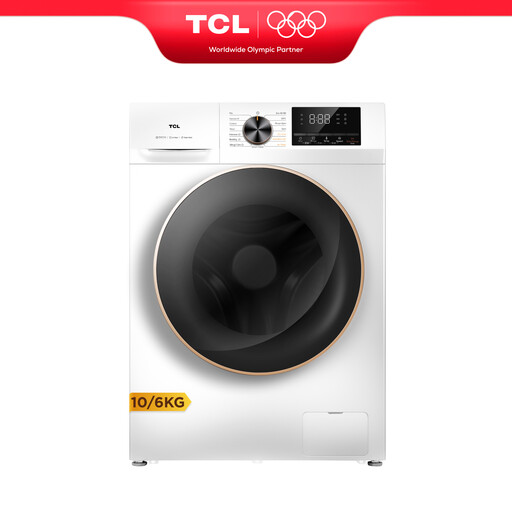
Consider the 10 kg wash capacity if the house regularly gathers larger laundry batches, while planning machine drying around the 6 kg limit.
The product name also states freestanding installation, 1,400 rpm and A/E ratings. Measure the installation space and check programme instructions for the intended tablecloths.
 No image available
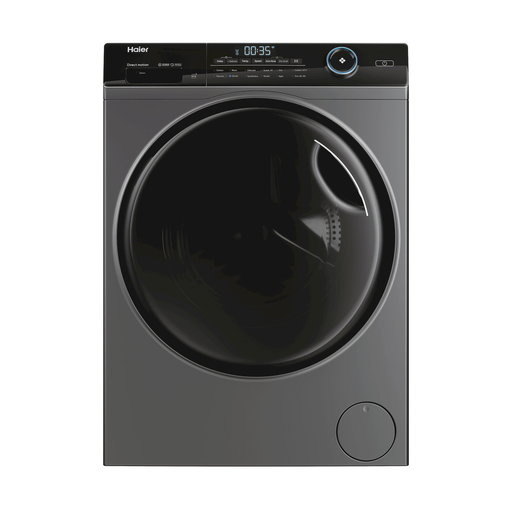
The 9 kg wash / 6 kg dry combination is worth considering when the house wants more drying capacity than a 5 kg option offers.
The product name states a 1,400 rpm spin speed. A full 9 kg wash exceeds the 6 kg drying limit; confirm the combined-cycle energy class on the exact product label and check the tablecloth care instructions.
 No image available
This 8 kg wash / 5 kg dry option suits modest batches where part of a larger wash can be dried separately.
The Joybuy listing states a 1,400 rpm spin speed and A/D ratings. Keep a continuous wash-and-dry load within the drying limit, and check the manual against the tablecloth care label.
Only if the load stays within the machine’s lower drying or wash-and-dry limit. For example, an 8 kg wash / 5 kg dry machine can wash more than it can dry continuously, so remove part of a larger washed load before machine drying.
Follow each tablecloth’s care label, then choose a compatible programme and temperature in the washer-dryer manual. A quick cycle is suitable only when its fabric conditions and load limit fit those tablecloths.
No: a quick wash time does not automatically include drying. Beko, for example, states a 28-minute 8 kg Quick Programme for washing on BMND8545U, while its separate UltraFast wash-and-dry programme is stated for up to 5 kg; check the conditions for the cycle you intend to use.
Compare the exact models’ energy and water figures for the function you expect to use, alongside cycle duration, noise and useful load capacity. Energy Saving Trust also advises choosing an appropriately sized appliance rather than relying on its A-to-G rating alone.
Measure the delivery route and installation space, and check the model’s required connections and clearances. Confirm any relevant landlord or tenancy conditions before arranging installation.