
24/7 全天候客户支持

免费退货

当日/次日达

品质保障

开启新人专享福利: 全场免邮 | 低至 2 折 | 免费试用 30 天 JoyPlus 会员
下载 Joybuy
A washer dryer can simplify laundry by combining two appliances in one footprint, making it useful for flats, rented homes and kitchens without room for separate machines. However, the headline specification does not always tell the full story. Wash capacity, drying capacity, installation type and energy ratings can all affect whether a model suits your household.
Before comparing washer dryers, watch for these common buying pitfalls:
For singles and couples, a 7kg or 8kg washer dryer may be suitable for everyday clothing and smaller bedding loads. Families who regularly wash towels, school uniforms or larger items may prefer a 9kg washer dryer or 10kg washer dryer.
The drying figure is equally important. Many combination appliances offer a 5kg drying capacity, even when the washing capacity is 8kg or 9kg. Models with a 6kg drying capacity provide more flexibility, but you should still follow the manual’s load guidance.
A larger drum does not automatically mean shorter cycles or lower running costs. If you usually wash small loads, load-sensing programmes can be more useful than simply choosing the largest capacity available.
Measure the available space carefully, including skirting boards, pipework and the depth required to open the door. Standard widths are generally around 600mm, but depths vary considerably.
A freestanding washer dryer is finished on the outside and can be placed beneath a suitable worktop or in a utility area. Compact-depth options can help in narrow kitchens. For example, the CHiQ JKW85882 range is listed at 520mm deep, while deeper models may approach 600mm.
An integrated washer dryer is designed to sit behind a kitchen cabinet door. Check the appliance height, hinge position, door compatibility and ventilation requirements before ordering. Integrated models should be installed by a suitably qualified person, with correct connections to the water supply, drainage and earthed electrical socket.
A 1400 rpm washer dryer can remove more water before drying than a lower-speed model, although actual results also depend on fabric type and programme selection. A 1600rpm appliance may appeal to households washing frequent loads of bedding or towels.
Noise figures are usually shown in decibels, often for the spin cycle. A difference of several decibels can be noticeable in an open-plan kitchen or a flat. Inverter motor washer dryers are commonly selected for their brushless motor design and may include features intended to reduce vibration and operating noise, but the listed dB figure remains the clearest comparison.
For energy-conscious households, compare the wash-only and wash-and-dry ratings separately. A model labelled A/D or A/E is not contradictory: the first rating refers to washing, while the second applies to the combined cycle.
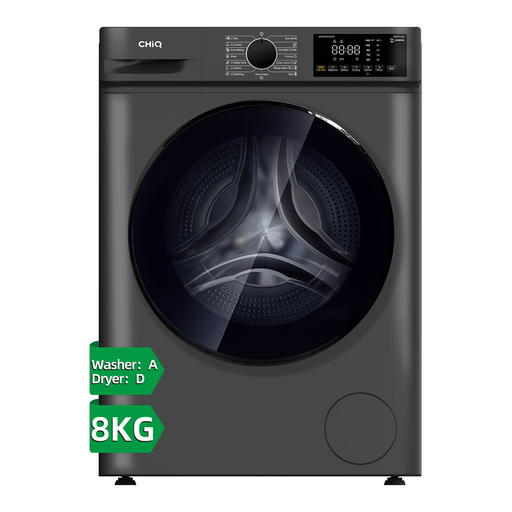
Why This Fits Their Persona: A practical option for singles, couples or renters who want one appliance for washing and drying without taking up the space of separate machines.
Its 8kg wash and 5kg dry capacities are clearly specified, while the 520mm depth helps address the risk of buying a machine that is too deep for a compact kitchen.
1400rpm spin speed, BLDC motor, 15 programmes and A wash/D wash-and-dry energy ratings.
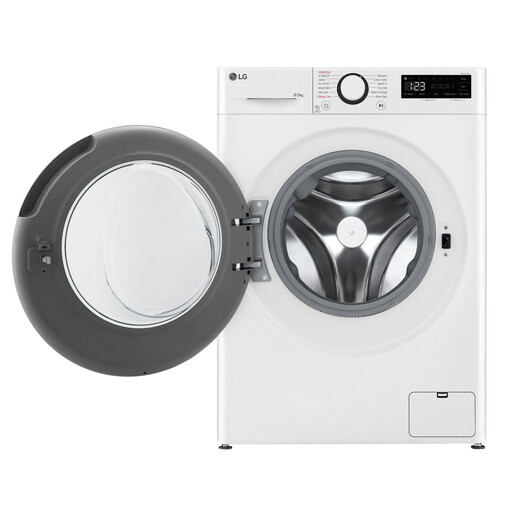
Why This Fits Their Persona: Suitable for households prioritising fabric-care programmes, a shallower cabinet and straightforward electronic controls.
The 535mm counter-depth design is stated clearly, and its 1200rpm spin speed makes the specification easy to compare rather than relying on vague quietness claims.
AI Direct Drive, TurboWash, Steam programme, A wash-only/E wash-and-dry ratings and 54dB listed wash noise.
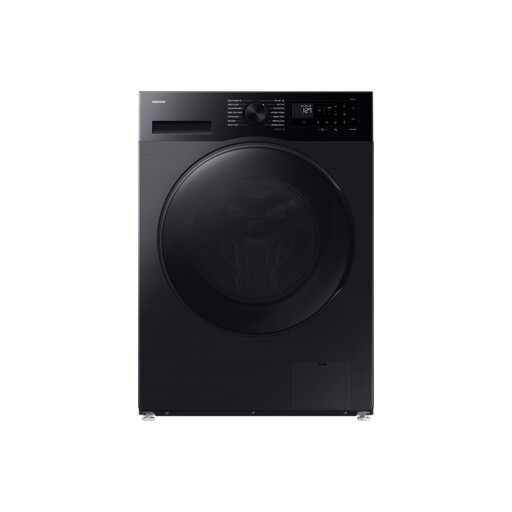
Why This Fits Their Persona: Designed for larger households handling frequent loads of towels, bedding and family clothing in one appliance.
The product lists separate 11kg wash and 6kg dry capacities, helping heavy users plan realistic combined loads instead of assuming the full wash capacity can be dried.
1400rpm spin, 72dB spin noise, built-in Wi-Fi, AI Energy Mode and A/D energy classifications.
We have compiled a complete, real-time list of products that fully satisfy these strict selection criteria and UK safety regulations.
Running cost depends on the programme, load size, energy tariff and whether you use drying frequently. Drying generally consumes more energy than washing alone, so compare the combined-cycle rating and published kWh figures. Using full but appropriate loads, lower-temperature wash programmes and sensor-controlled drying may help avoid unnecessary consumption.
Usually not. Many 8kg washer dryers have a 5kg drying limit, while some 9kg models offer 6kg drying. You may need to remove part of the load after washing, or select a smaller combined programme. Always follow the capacity shown in the manual and on the product specification.
Lifespan depends on build quality, installation, frequency of use and maintenance. Avoid overloading, level the appliance correctly, clean filters and seals, and follow the manufacturer’s servicing guidance. A suitable warranty can also provide useful protection, but check exactly what it covers before purchase.