
24/7 全天候客户支持

免费退货

当日/次日达

品质保障

开启新人专享福利: 全场免邮 | 低至 2 折 | 免费试用 30 天 JoyPlus 会员
下载 Joybuy
A washer dryer is a brilliant space-saving solution for many UK homes, especially in flats or kitchens where a separate washing machine and tumble dryer simply won't fit. However, navigating the market can be tricky. Misleading specifications and over-hyped features often lead to buyer's remorse.
As a Joybuy Product Recommendation Officer, my role is to help you see past the marketing jargon. Before you commit, let's look at three common pitfalls that can result in a machine that doesn't meet your needs or costs a fortune to run.
To make a smart purchase, focus on the specifications that directly impact performance, cost and convenience. Here are the three non-negotiables to check.
This is the most critical factor. Always check both figures.
Matching the capacity to your household's laundry habits prevents the inefficiency of running half-empty dry cycles.
Your choice here depends entirely on your kitchen or utility room layout.
Since 2021, UK energy labels show two ratings for washer dryers. The rating on the left is for the wash-only cycle, while the one on the right is for a complete wash-and-dry cycle. An energy efficient washer dryer will have good ratings for both, but always prioritise the right-hand figure if you plan to use the drying function regularly, as this reflects the true running cost.
Based on these practical criteria, here are a few models suited to different UK households.
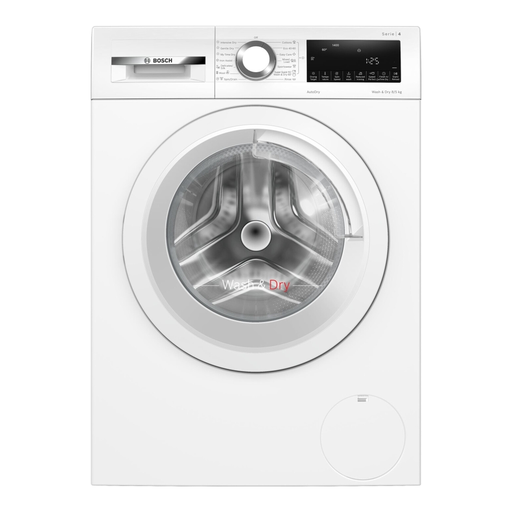
Why This Fits Their Persona: Ideal for couples or individuals in flats, this Bosch washer dryer combines reliability with features that save time. The 8kg/5kg capacity is well-balanced for daily use, and the Iron Assist steam function is perfect for quickly refreshing work shirts and reducing ironing.
The AutoDry sensor technology prevents over-drying and energy waste by stopping the cycle once clothes are dry, directly countering the high running costs of fixed-time dryers.
Features a quiet and durable EcoSilence Drive motor (70 dB spin noise) and a handy Wash & Dry 60' programme for small loads in an hour.
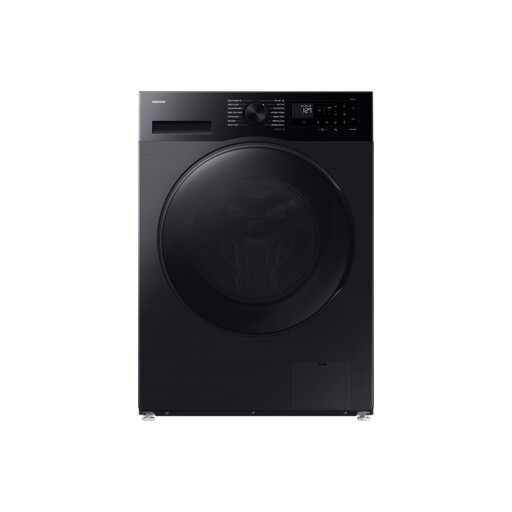
Why This Fits Their Persona: This Samsung washer dryer is built for large laundry piles. The massive 11kg wash drum handles duvets and weekly washes with ease, while the 6kg dry capacity is one of the more generous available. The Hygiene Steam cycle is excellent for baby clothes and allergy sufferers.
It tackles the high energy cost pitfall head-on. The AI Energy Mode, via the SmartThings app, can help monitor and reduce power consumption. Its A/D energy rating is also strong for such a large machine.
SpaceMax technology provides a larger drum in a standard-depth cabinet. The Less Microfibre cycle is a forward-thinking feature for environmentally conscious families.
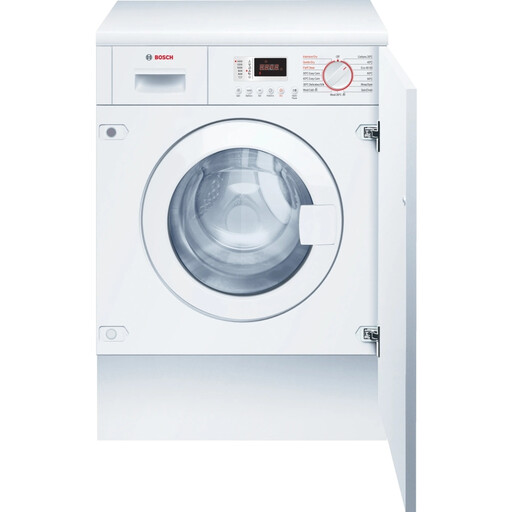
Why This Fits Their Persona: For those who prioritise a seamless kitchen aesthetic, this integrated washer dryer is the perfect choice. It fits neatly behind a cabinet door, keeping the appliance out of sight. The 7kg/4kg capacity is ideal for smaller households or as a secondary machine in a larger home.
Its purpose is clear: to be hidden. It avoids the trap of over-promising on capacity, offering a realistic 7kg/4kg split that works well for its intended compact, integrated environment.
ActiveWater Plus technology adjusts water usage to the load size, saving water on smaller washes. The Reload function allows you to add forgotten items mid-cycle.
We have compiled a complete, real-time list of products that fully satisfy these strict selection criteria and UK safety regulations.
A well-maintained washer dryer from a reputable brand should typically last between 7 and 10 years. Longevity depends on usage frequency, load sizes and regular maintenance, such as cleaning the filter and running service washes. Models with long motor warranties (10 or 20 years) often indicate a manufacturer's confidence in the appliance's core durability.
Generally, yes. A combined wash-and-dry cycle on a washer dryer uses more energy and water than a single wash cycle followed by a cycle in a modern, energy-efficient heat pump tumble dryer. The convenience and space-saving benefits are the primary trade-offs for the higher running costs. To minimise expense, look for a model with a good combined energy rating and use the drying function selectively.
Installing a freestanding washer dryer can be a straightforward DIY job if you are simply connecting it to existing, suitable plumbing and electrical sockets. However, a built-in washer dryer is much more complex, requiring precise fitting into cabinetry and attaching a furniture door. For safety and to ensure the appliance functions correctly, we recommend a professional washer dryer installation service, especially for integrated models or new connections. You can also arrange for disconnection and recycling of your old appliance at the same time.