Back-to-back changeover hosts
When hand towels must be ready between guest stays, the drying-load limit and programme duration determine whether one cycle will fit the available time.


Choose a washer-dryer for holiday-let hand towels by its drying capacity and the time needed for a suitable wash-and-dry programme, not its wash capacity alone. A single appliance makes sense when space is tight and each drying batch fits its lower limit; if changeovers regularly require washing one batch while drying another, consider separate appliances where space permits. Compare complete-cycle energy information, installation requirements and your towel-handling routine before buying.
When hand towels must be ready between guest stays, the drying-load limit and programme duration determine whether one cycle will fit the available time.
If there is room for only one laundry appliance, a washer-dryer offers washing and drying in one footprint, provided towel batches fit its drying capacity.
Frequent drying makes complete-cycle energy information worth comparing. Which? notes that washer-dryers generally use substantially more energy for drying than tumble dryers.
Start with the largest towel batch that must be dry by the next arrival. Then decide whether one appliance can handle that schedule and fit the available space.
Choose it when: Space allows only one appliance and drying batches can stay within its declared limit.
Trade-off: A full wash load may need to be divided for drying, and the machine cannot wash another batch while it dries.
Choose them when: Regular changeovers require one towel batch to wash while another dries, and there is space for both appliances.
Trade-off: Two appliances need more installation space; compare their energy information against the combined option rather than assuming either arrangement will cost less to run.
| Concern | What to check | Who this matters to |
|---|---|---|
| Changeover timing | Check the wash-and-dry programme duration at your intended towel load and whether the schedule allows another drying batch. | If the next guests arrive soon after cleaning, I need enough time for every towel to finish drying. Around 36% of consumers put changeover timing first. |
| Drying-load fit | Compare the declared wash-and-dry capacity with the largest towel batch; do not use the wash-only figure as the drying limit. | For a larger batch, I need to know whether it can dry together or must be split. Drying-load fit is the primary concern for around 29% of consumers. |
| Space and installation | Choose freestanding or integrated construction to suit the location, then check dimensions, connections and required clearances in the exact model's instructions. | With only a cupboard or fitted-kitchen space available, I need an appliance that can actually be installed there. Around 21% of consumers prioritise that fit. |
| Energy and linen care | Compare complete wash-and-dry energy information and plan how used towels will be kept separate from clean ones. | When towels are laundered frequently, I want manageable energy use and a routine that keeps finished linen clean. Those needs come first for around 14% of consumers. |
The drying limit may be lower: Bosch specifies 10 kg for washing but 6 kg for a wash-and-dry cycle on its WDU8H541GB. A larger towel wash could therefore need two drying batches.
Plan against the declared wash-and-dry load and the largest realistic changeover batch, rather than treating a quick programme as suitable for a full load.
Splitting the load adds drying time and electricity use to a changeover.
Frequent drying changes the running-cost calculation. Which? reports that washer-dryers generally use substantially more energy to dry than tumble dryers.
Compare the exact models' energy information using your expected changeover frequency. If space permits, include a separate tumble dryer in the comparison.
A drum-cleaning or hygiene feature does not prevent used towels from coming into contact with clean linen during handling or storage.
Keep used and clean towels separate, store finished towels in a clean, dry place, and follow the appliance manual for routine cleaning. The Health and Safety Executive advises additional care with handling and decontamination where fabrics may be contaminated with body fluids.
Integrated and freestanding models have different fitting requirements; an appliance's stated dimensions alone do not establish that it will fit with its connections and clearances.
Measure the space and access route, then check the exact model's installation instructions before ordering.
An unsuitable fit can mean cabinet alterations or reinstallation.
A reference point for freestanding 10 kg wash / 6 kg wash-and-dry configurations.
Relevant to buyers considering both freestanding and integrated 10 kg wash / 6 kg dry models.
A reference point when towel volumes are modest and one appliance must do both jobs.
Relevant to buyers considering a freestanding appliance with wash, dry and steam programmes.
These freestanding and integrated washer-dryers offer stated wash and drying capacities for planning holiday-let hand-towel batches. Match the fitting type to the property and judge turnaround against each model's drying limit, not its wash-only capacity.
 No image available
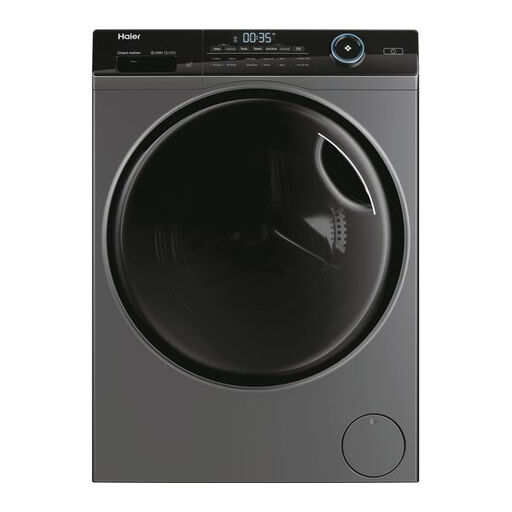
A freestanding option for towel changeovers where drying batches can stay within 6 kg.
Stated capacities: 10 kg wash and 6 kg dry. A larger wash load may need to be split before drying; check the suitable programme duration against the changeover window.
 No image available
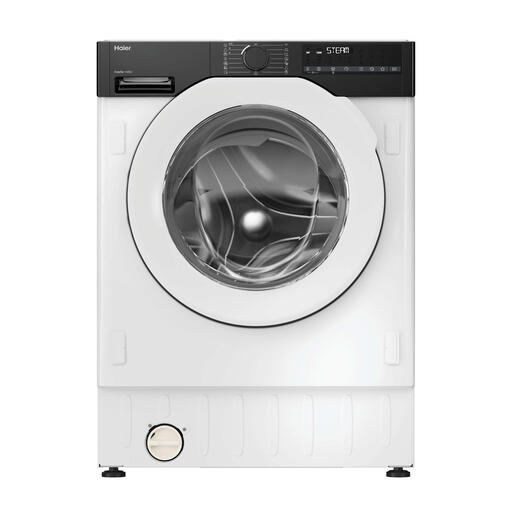
Consider this integrated model where the holiday let needs an appliance fitted into cabinetry and towel drying batches fit within 6 kg.
Stated capacities: 9 kg wash and 6 kg dry; the title also states a 1600 rpm spin. Check the installation instructions for cabinet fit and confirm the drying method in the exact model documentation.
 No image available
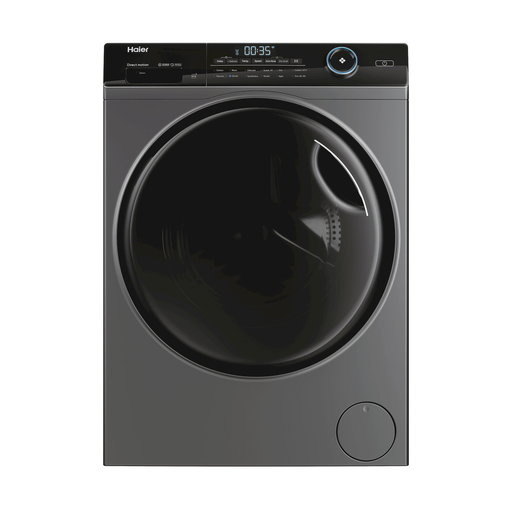
A freestanding choice for changeovers that can accommodate separate drying batches when the wash exceeds 6 kg.
Stated capacities: 9 kg wash and 6 kg dry, with a 1400 rpm spin in the title. Confirm the exact model's combined-cycle energy label and installation depth before comparing it with other options.
 No image available
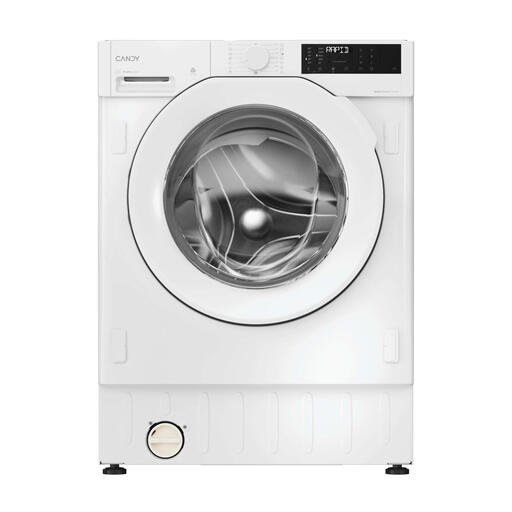
This integrated model is relevant when cabinetry dictates the appliance type and the towel batch can be dried within its stated limit.
Stated capacities: 9 kg wash and 6 kg dry, with a 1400 rpm spin in the title. Check exact cabinet measurements and the combined-cycle energy information for this model.
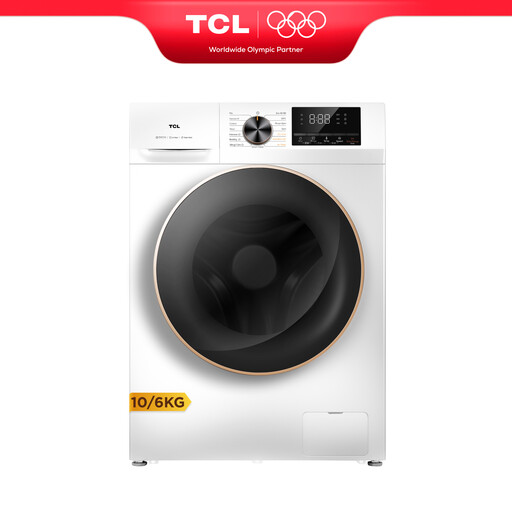 No image available
A freestanding option for towel washing where any load above the 6 kg drying limit can be split without delaying the changeover.
The title states 10 kg wash, 6 kg dry and a 1400 rpm spin. Check installation dimensions and which energy rating applies to the combined cycle before making a comparison.
Not if its declared wash-and-dry limit is lower. Bosch specifies 10 kg wash but 6 kg for a combined cycle on the WDU8H541GB, so check the drying figure for the exact model and split larger loads as needed.
Consider a separate washer and tumble dryer when frequent changeovers require washing and drying at the same time and the property has space for both. Compare the appliances' energy information as well as the available turnaround time; Which? notes that washer-dryers generally use substantially more energy to dry than tumble dryers.
Keep used towels apart from clean linen and store finished towels somewhere clean and dry. If towels may be contaminated with body fluids, the Health and Safety Executive advises choosing laundering and handling methods that address decontamination and prevent cross-infection.
Do not assume that they do. The Ministry of Housing, Communities & Local Government's guidance describes the England regulations as applying where a rent-paying tenant has the right to occupy the property as their only or main residence. Check the rules relevant to the property's nation and occupancy arrangements, as well as the appliance's installation instructions.