What matters when choosing?
Decide whether you need a freestanding appliance or one fitted behind a cabinet door. Then measure the installed space and compare drying capacity with the load you want to finish in one run.
Freestanding washer-dryer
Choose it when: You have a suitable location and want the flexibility of a freestanding appliance.
Allow for: Space beside and behind the machine for ventilation and connections, as well as room to open its door.
Integrated washer-dryer
Choose it when: The appliance needs to sit behind a compatible kitchen cabinet door.
Allow for: The cabinet opening, door fittings and installation requirements of the exact model; an integrated label alone does not establish a fit.
| Concern |
What to check |
Who this matters to |
| Installation fit |
Measure height, width and installed depth, including connections and door opening; follow the exact model’s installation instructions. |
With little room to spare, I need the machine and its connections to fit the intended spot. Roughly 42% of consumers put installation fit first. |
| Dry-ready load |
Compare wash capacity with drying or continuous wash-and-dry capacity, then check the cotton programme’s load guidance. |
If I want socks and everyday laundry dry without unloading between stages, the smaller drying limit decides my load size. Around 33% of consumers prioritise that uninterrupted wash-and-dry load. |
| Routine running |
Compare the relevant wash-and-dry label figures for energy, water, duration and noise; check which load and programme any quick-cycle claim covers. |
For regular laundry in a small home, I want to weigh cycle time, energy and water use, and noise before choosing. About 25% of consumers make those running considerations their primary concern. |
Washer-dryers on Joybuy
These freestanding and integrated models offer different ways to fit washing and drying into one appliance. For each one, compare the drying limit with your planned load, then check the cotton programme and installation drawing against your space.
 No image available
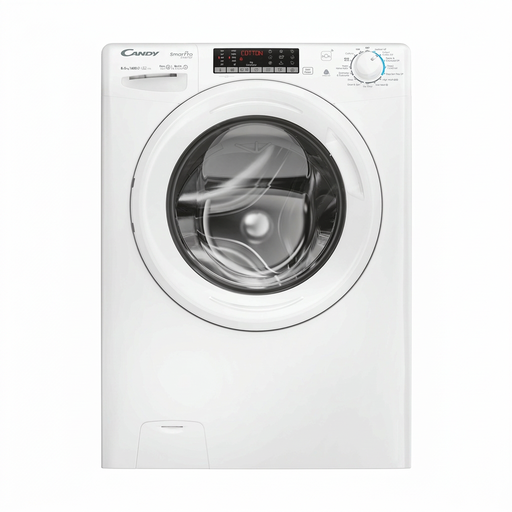
Candy Smart Pro Inverter CSOW4856TWM6-80, 8 kg wash / 5 kg dry
Consider this freestanding model if you want to wash and dry a load without allocating floor space to two machines. Its drying limit is lower than its washing limit; check the cotton programme’s load and duration, and allow room behind the appliance and for its door to open.
View on Joybuy
 No image available
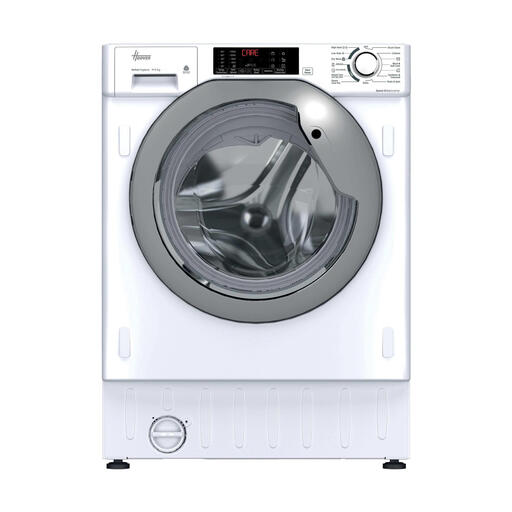
Hoover HBDS 4954DMS5-80 H-Wash & Dry 500, 9 kg wash / 5 kg dry
This integrated model is relevant if the appliance must sit behind a kitchen cabinet door. Check that the cabinet and door fittings suit it, and use the 5 kg drying limit—not the larger wash figure—when planning an uninterrupted load. Confirm the cotton programme’s conditions before relying on a quick-cycle claim.
View on Joybuy
 No image available
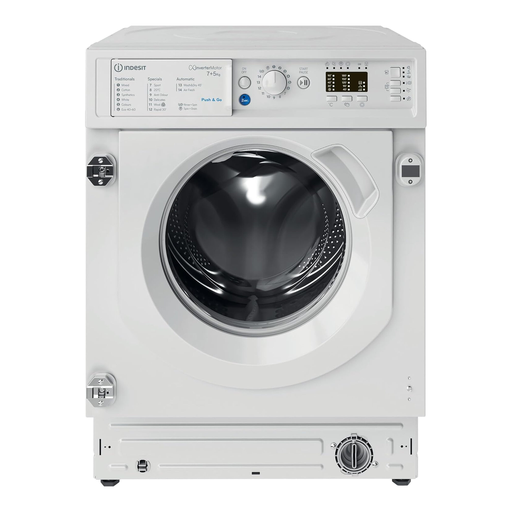
Hotpoint BI WDHG 75148 UK N, 7 kg wash / 5 kg dry
Consider this integrated option for a fitted-kitchen position where its cabinet and door requirements can be met. Compare the 5 kg drying limit with the load you want ready in one run, and check the programme list and installation drawing before choosing it for cotton socks.
View on Joybuy
 No image available
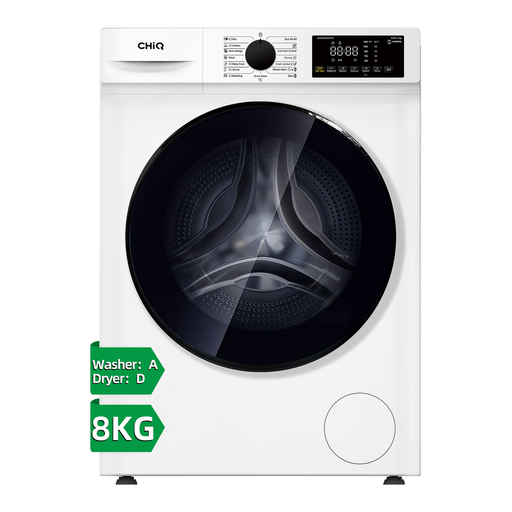
CHiQ JKW85882HW, 8 kg wash / 5 kg dry
This freestanding model suits consideration where one appliance must occupy the available laundry space. Its title lists a 1400 spin figure; check the programme-specific settings, cotton load guidance and the full installed depth rather than judging fit by the appliance alone.
View on Joybuy
 No image available
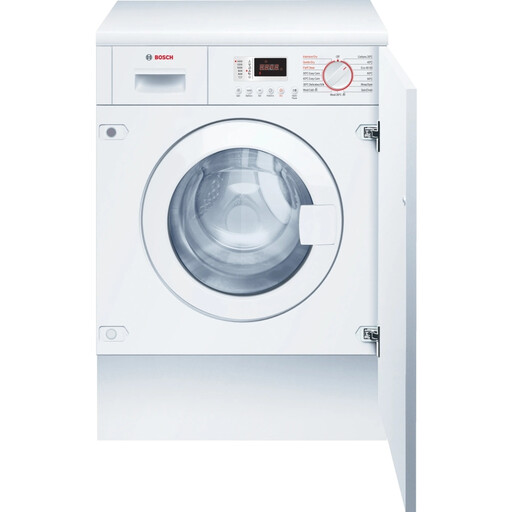
Bosch WKD28352GB Series 4, 7 kg wash / 4 kg dry
This integrated model is an option to assess if a compatible cabinet installation is essential. Its 4 kg drying limit calls for particular attention if you expect to wash and dry other cotton laundry alongside socks; check the programme load guidance and cabinet-door requirements.
View on Joybuy
Common questions
Should I choose a washer-dryer by its wash or dry capacity?
Check both, but use the drying or continuous wash-and-dry limit for a load you want finished without unloading. The wash-only figure can be higher: Bosch UK lists 10.5 kg washing and 6 kg wash-and-dry capacity for the WNG25401GB.
How much space does a freestanding washer-dryer need?
Start with the exact model’s dimensions and installation instructions, including space for its door to open. As general guidance, allow around 25 mm on each side and roughly 50–150 mm behind a freestanding washer-dryer for ventilation, pipes and plugs; the model’s requirements take precedence.
What should I check before installation?
Check that the chosen position can accommodate the appliance, its water supply and drainage, and access to a suitable socket. Follow the model’s instructions for removing transit bolts, making connections and levelling the machine; Bosch warns that incorrect levelling can cause intense noise and vibration.
How can I compare washer-dryer energy labels?
Compare the figures for the relevant cycles on the same type of appliance, rather than looking at the rating letter alone. Energy Saving Trust explains that washer-dryer labels provide energy use alongside rated capacity, water use, cycle duration and noise information.
What maintenance will a washer-dryer need?
Follow the selected model’s manual for its drawer, seals and filters, because the accessible parts and cleaning instructions vary. AEG recommends leaving the door and detergent drawer open after use for its washer-dryers; its advice about a primary fluff filter applies only to relevant models.


