Shared-house towel coordinators
If several residents use one machine, compare the dry-load limit with the towels normally washed together. A full wash load may have to be divided before drying.


Choose a washer-dryer by the bath-towel load it can dry, not just the larger load it can wash: Which? notes that drying capacity is lower than washing capacity. An 8 kg wash/5 kg dry model may suit smaller batches, while a 9 kg/6 kg format allows a larger rated dry load. Either choice still needs a check of programme limits, available space and tenancy permission.
If several residents use one machine, compare the dry-load limit with the towels normally washed together. A full wash load may have to be divided before drying.
If a separate dryer will not fit, check whether the available space takes a freestanding or integrated machine. Measure for the exact model and confirm permission before arranging a replacement or installation.
For frequent towel laundry, compare the energy-label information for the wash-and-dry cycle on similarly sized machines, alongside the loads the household is likely to run.
Start with the usual towel batch and the rated drying capacity; then check how long a suitable combined programme takes, what its label says about consumption, and whether the machine can be installed.
| Concern | What to check | Who this matters to |
|---|---|---|
| Towel drying capacity | Compare the rated dry load in kg with the towels normally washed together; do not use wash capacity as the dry-load limit. | If our shared towel wash is too large to dry at once, clean towels may wait for another cycle. Around 36% of consumers put the dry-load bottleneck first. |
| Shared-machine turnaround | Check both the duration and load limit of a wash-and-dry programme; keep wash-only times separate. | When housemates need the machine in turn, I need to know when a usable towel batch will actually finish. For around 29% of consumers, turnaround is the primary concern. |
| Running costs | Compare wash-and-dry energy and water information on product labels for similarly sized models. | With towels going through regularly, I want to weigh each machine's consumption against the loads we will run. Around 21% of consumers place running costs first. |
| Tenancy and fit | Confirm installation type, model-specific dimensions and clearances, connections, and written permission. | If I cannot alter the kitchen or replace the existing appliance, a suitable capacity alone will not make the purchase workable. Avoiding a fit or permission problem comes first for around 14% of consumers. |
Which? explains that washer-dryers dry less than they wash. An 8 kg, 9 kg or 10 kg wash rating therefore does not mean that the same weight of towels can go straight through a drying cycle.
Plan the usual towel batch against the rated dry capacity and allow for a second drying batch when it exceeds that limit.
Beko describes a 28-minute 8 kg wash programme for its BMND8545U, but its under-three-hour wash-and-dry claim applies to a load of up to 5 kg. The times describe different tasks and load limits.
Compare wash-only programmes with wash-only programmes, and check the stated load before relying on a combined-cycle time for towels.
Capacity and an energy class alone do not show what a household will use for its typical towel load. Energy Saving Trust notes that larger appliances can use more energy even when they share a rating.
Choose a capacity the house can use regularly, then compare the relevant energy-label information across similarly sized models.
An integrated machine needs compatible cabinetry, while tenants may need agreement before replacing an appliance or arranging installation.
Confirm who owns the existing machine, obtain written permission where needed, and check the chosen model's dimensions, fittings and connection requirements before ordering.
These model examples show different capacity and installation questions to investigate; a brand name alone does not settle which machine will fit the house.
Beko has cited freestanding and integrated 8 kg wash/5 kg dry examples for households considering moderate towel batches.
LG's cited 9 kg wash/6 kg dry model is relevant when a larger dry-load rating is useful but appliance depth needs careful checking.
Haier's UK range includes 10 kg wash/6 kg dry machines to consider where a shared house regularly produces larger wash loads.
These freestanding and integrated washer-dryers give student houses different rated dry-load sizes to consider. For an integrated model, confirm that the property has suitable cabinetry and that installation is agreed before choosing by capacity.
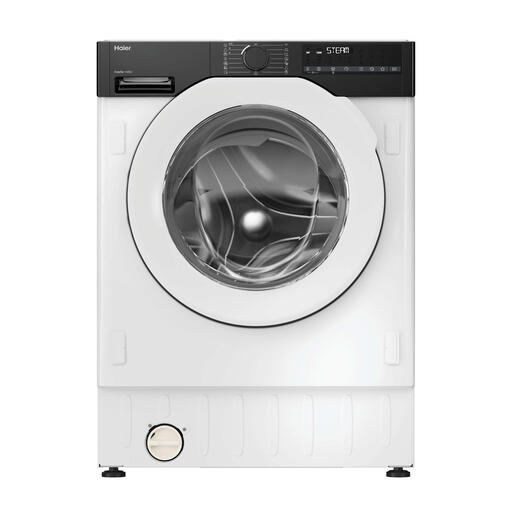 No image available
Consider for a compatible fitted kitchen where a 6 kg rated dry load matches the planned towel batches.
The product name specifies a 9 kg wash capacity, 6 kg dry capacity and 1600 rpm spin. A wash load above the dry limit needs splitting before drying.
Check cabinet and door fittings, clearances, connections and tenancy permission against the installation instructions.
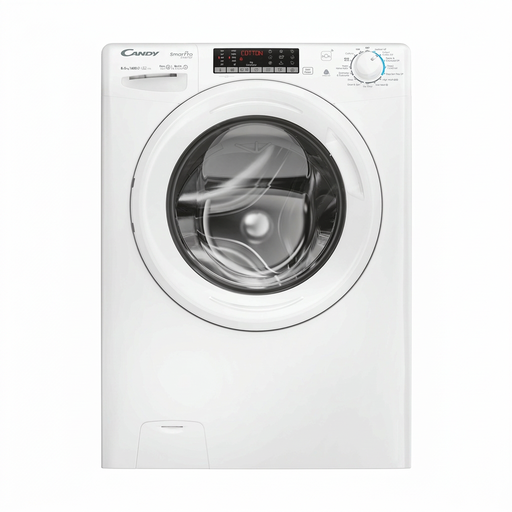 No image available
Consider for moderate towel batches if a freestanding machine suits the available space.
The product name specifies an 8 kg wash capacity, 5 kg dry capacity and 1400 rpm spin. Plan to divide any wash load above 5 kg before drying.
Check the combined programme's duration and load limit separately from any quick-wash claim.
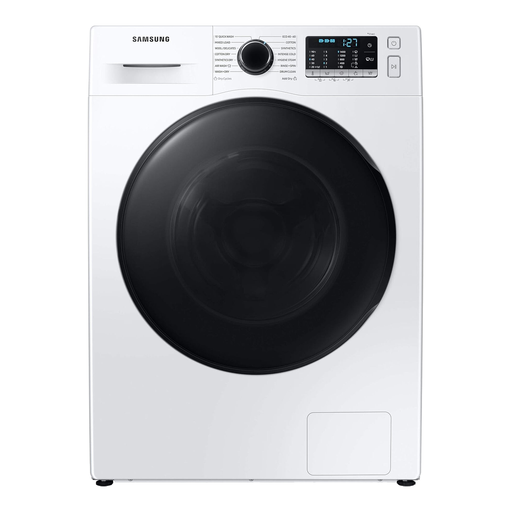 No image available
Consider for shared-house towel batches that fit within a 5 kg dry-load limit.
The product name specifies an 8 kg wash capacity and 5 kg dry capacity. A full wash load may need dividing for drying.
Check the wash-and-dry programme details rather than treating a quick-wash duration as a time for both tasks.
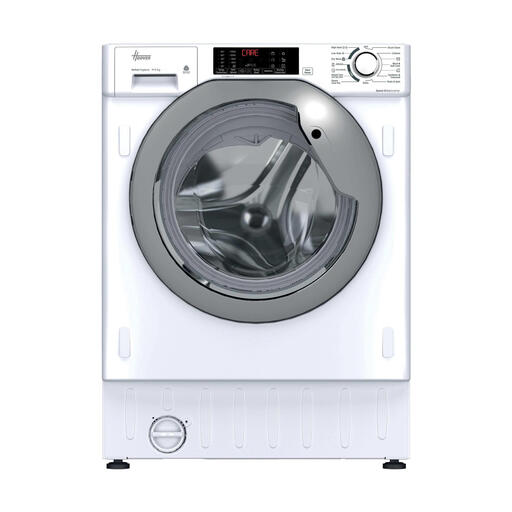 No image available
Consider where compatible cabinetry is available and the household can plan towel drying around a 5 kg load.
The product name specifies a 9 kg wash capacity and 5 kg dry capacity, so a larger wash will need separate drying batches.
Confirm the load limit for any shorter programme you intend to use, as well as door fittings, clearances and permission to install.
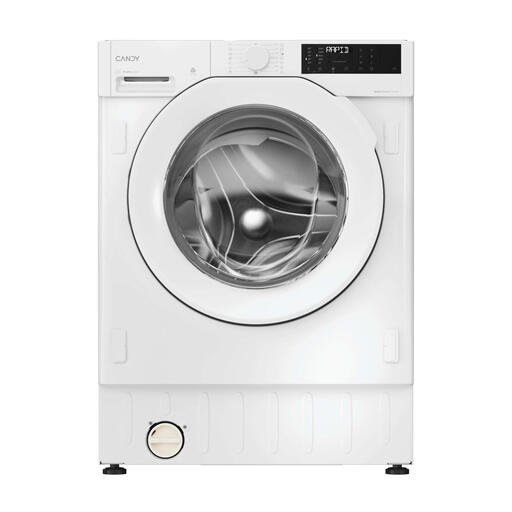 No image available
Consider for an approved integrated installation if the household's usual towel batch fits within a 6 kg dry load.
The product name specifies a 9 kg wash capacity, 6 kg dry capacity and 1400 spin. Loads above the drying limit need splitting.
Confirm the cabinet fit and check programme load limits before planning a short wash-and-dry turnaround.
Only if the load is within the machine's rated wash-and-dry capacity. Which? notes that drying capacity is lower than washing capacity, so towels from a full wash load may need dividing before drying.
No. A quick-wash time describes washing, not necessarily washing and drying. Check the combined programme's duration and permitted load for the model you are considering.
Compare the relevant wash-and-dry energy information on similarly sized machines, rather than relying on a letter grade alone. Energy Saving Trust explains that energy labels use an A-to-G scale and provide product-specific information including energy use and noise.
Consider one when the property has compatible cabinetry and permission to install it is clear. Check the chosen model's cabinet dimensions, door fittings, connections and clearances before committing.
Check the tenancy agreement and obtain written approval from the landlord or property manager before buying or arranging work. Responsibilities depend on the accommodation and location; England's government electrical-safety guidance for covered rented homes does not itself give tenants a general right to install an appliance and excludes student halls from those stated regulations.