Small-flat bedding washers
If kitchen or utility space is tight, the appliance’s depth and the route into the flat may decide which models are practical before drum capacity does.


For cotton sheets you want to wash and dry in one run, compare washer-dryers by their lower wash-and-dry capacity, not just their wash capacity. In a small flat, check the available space and delivery route before choosing between a freestanding or integrated model; then compare the exact model’s cycle information and energy label.
If kitchen or utility space is tight, the appliance’s depth and the route into the flat may decide which models are practical before drum capacity does.
If you would rather dry sheets in the machine than hang them indoors, pay particular attention to the wash-and-dry load limit and the programme you intend to use.
If the washer-dryer must sit behind a cupboard door, the cabinet opening, door fittings and appliance installation instructions matter as much as its stated capacity.
Measure the space and access route first. Then decide how much bedding you need to dry without unloading the machine, and check the exact model’s cycle and installation requirements.
| Concern | What to check | Who this matters to |
|---|---|---|
| Physical fit | Measure the available height, width and depth, the delivery route and the space needed to open the door; check the model’s installation clearances. | If a machine would obstruct my narrow kitchen or could not reach its installation point, extra capacity would be little use. Around 31% of consumers put physical fit first. |
| Continuous drying load | Compare the wash-and-dry capacity in kg with the wash-only capacity, then follow the model’s bedding and loading instructions. | I want to finish washing and drying my sheets without removing part of the load between stages. For around 31% of consumers, that drying-load limit is the primary concern. |
| Energy use and time | Read the exact model’s wash-only and wash-and-dry label information, and check the stated load and conditions for any short programme. | When I plan regular laundry, I need to know which cycle the energy information describes and whether a quick programme applies to my load. Roughly 23% of consumers prioritise energy use and programme time. |
| Installation arrangement | For an integrated model, check the cabinet, door fittings and service connections; if renting, check whether the proposed installation needs permission. | If my kitchen has a fitted appliance space or my tenancy limits alterations, installation compatibility comes before choosing a model. Around 15% of consumers put this requirement first. |
An 8kg wash rating does not mean an 8kg load can stay in the drum for a continuous wash-and-dry cycle. Which? explains that washer-dryers have a lower drying capacity than washing capacity.
If you want to dry sheets without unloading, compare the lower wash-and-dry rating and follow the model’s loading instructions.
Machines with comparable load ratings can differ in depth and installation type. A capacity figure alone cannot tell you whether one will fit beneath your worktop or through the delivery route.
Measure the opening and access route, then check the exact model’s dimensions, door clearance and installation instructions.
The wash-only class need not be the same as the wash-and-dry class. For example, the Hisense WD3S8043BT3 has A for washing and D for washing and drying.
Compare the energy label and product information for the cycle you expect to use on each exact model.
Programme times can depend on the stated load and settings. Beko’s claim for washing and drying in under three hours, for example, is tied to a 5kg load on a named model.
Check the load, fabric and programme conditions before planning around a short cycle for cotton sheets.
A reference point for comparing integrated 8kg wash / 5kg dry models with larger-capacity configurations.
Relevant to shoppers comparing 8kg wash / 5kg dry freestanding and integrated options.
Relevant when the depth of a freestanding model is a leading constraint.
A reference for assessing a 9kg wash / 6kg dry configuration against smaller drying capacities.
These freestanding and integrated models offer stated drying capacities of 5kg or 6kg. Choose the installation type that suits your flat, then check the exact model’s dimensions and instructions before ordering.
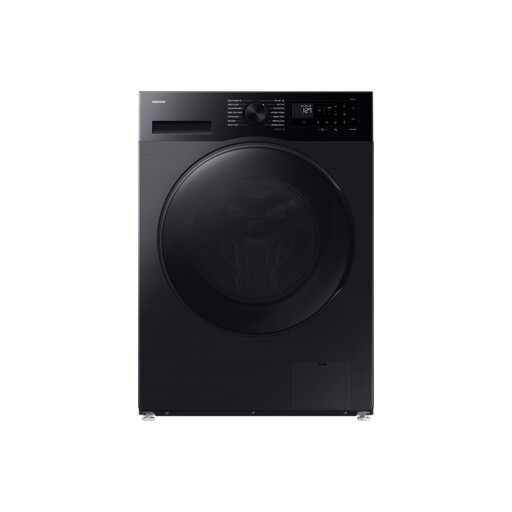 No image available
Consider this freestanding model if a 6kg drying load suits your bedding routine and you have room for the appliance.
The title states 11kg washing and 6kg drying capacity. A full 11kg wash load exceeds the stated drying capacity, so check how much can remain in the drum for a continuous cycle.
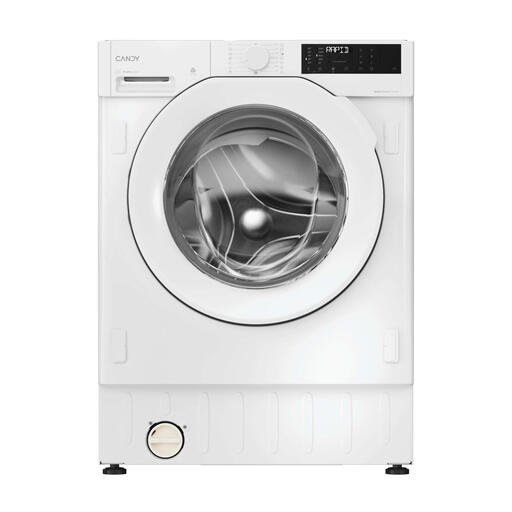 No image available
Consider this model if you need an integrated appliance and want a 6kg drying capacity for sheets.
Its title states 9kg washing, 6kg drying and 1400rpm spin. Check the cabinet opening, door fittings and service connections against the installation instructions before ordering.
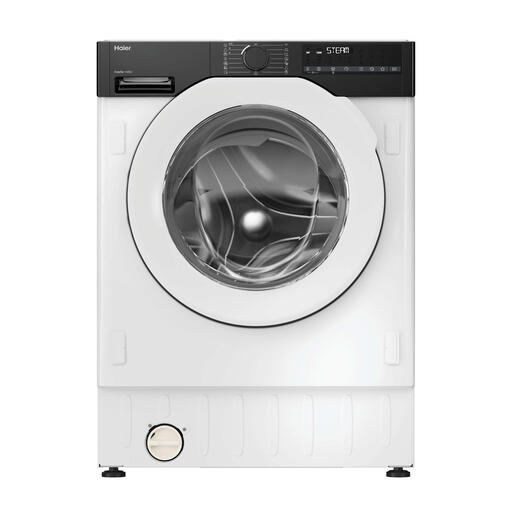 No image available
This integrated option is relevant if a concealed kitchen installation and a 6kg drying load are both priorities.
The title states 9kg washing, 6kg drying and 1600rpm spin. Confirm cabinet, door and connection requirements with the model’s installation instructions; the 9kg wash limit is not its continuous drying limit.
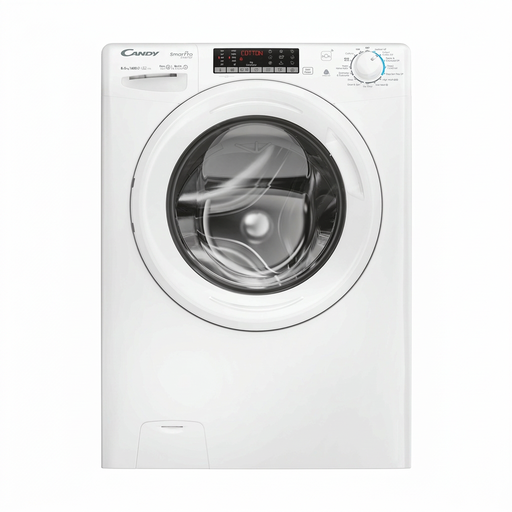 No image available
Consider this freestanding model if a 5kg drying limit fits the size of the sheet loads you intend to dry.
The title states 8kg washing, 5kg drying and 1400rpm spin. Check the appliance depth and required clearances for your space, and do not assume a full 8kg wash load can dry without unloading.
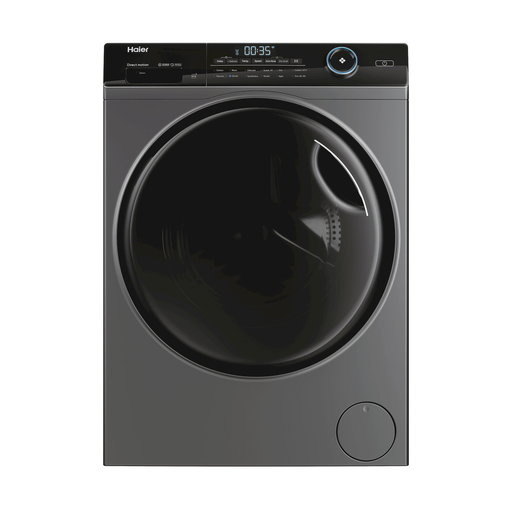 No image available
This freestanding model is relevant if you want a 6kg drying capacity but do not need an integrated installation.
The title states 9kg washing, 6kg drying and 1400rpm spin. Check its exact installation depth and wash-and-dry energy information before deciding whether it suits your flat and routine.
Not as one 8kg wash-and-dry load: the model’s continuous-cycle limit is 5kg. Remove enough laundry to meet its drying rating and follow its instructions for loading sheets.
Choose against the amount of bedding you want to wash and dry without unloading, rather than bed size alone. Check the weight of your sheet set where available and compare it with the model’s lower wash-and-dry capacity and loading instructions.
Compare the wash-and-dry information for the exact models you are considering, as well as their wash-only information. The two energy classes can differ, so a wash-only rating does not describe a complete wash-and-dry cycle.
Check the tenancy agreement for any permission needed and confirm that the proposed space and connections meet the appliance’s installation instructions. Do not assume that an existing appliance opening or connection permits a replacement or a change to the kitchen.