What to check before buying
Start with the loads you normally wash and dry, then check cloth-care options and whether the appliance fits its intended position. A capacity figure is useful only alongside the drying limit and your usual routine.
| Concern |
What to check |
Who this matters to |
| Cloth care and rinsing |
Check care-label-compatible temperatures and whether the exact model offers an extra rinse. |
If face cloths touch sensitive skin, I want control over the wash and rinse without using a temperature the fabric cannot take. Around 42% of consumers put cloth care and rinsing first. |
| Wash-and-dry capacity |
Compare rated washing and drying capacities in kg; check whether a short programme covers washing only or the complete wash-and-dry cycle. |
When face cloths join larger family loads, I want to know how much can stay in the drum for drying. For around 33% of consumers, avoiding repeated drying batches is the primary need. |
| Fit and everyday practicality |
Confirm fit type, dimensions and installation clearances; compare the exact model’s energy information and stated spin noise. |
If the appliance has to fit a particular kitchen space, I need to establish that it can be installed there before weighing other features. Getting the fit and practical details right comes first for around 25% of consumers. |
Joybuy washer-dryers for family laundry
These models cover freestanding and integrated washer-dryers with separate wash and dry capacities. Choose the fit type your space requires, then compare each drying limit with the family loads you expect to run.
 No image available
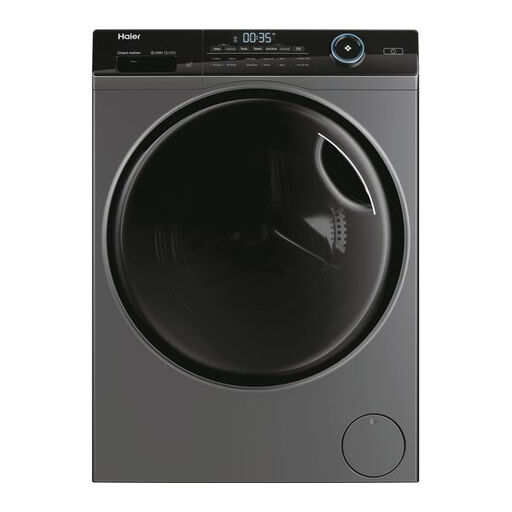
Haier I-Pro Series 5 HWD100-B14959S8NU1 10kg/6kg Washer-Dryer, Anthracite
Consider this freestanding model if larger mixed family loads make its 6kg drying capacity useful.
The stated capacities are 10kg for washing and 6kg for drying. Check installation clearances and the programme manual for the temperatures and rinse options you need.
View on Joybuy
 No image available
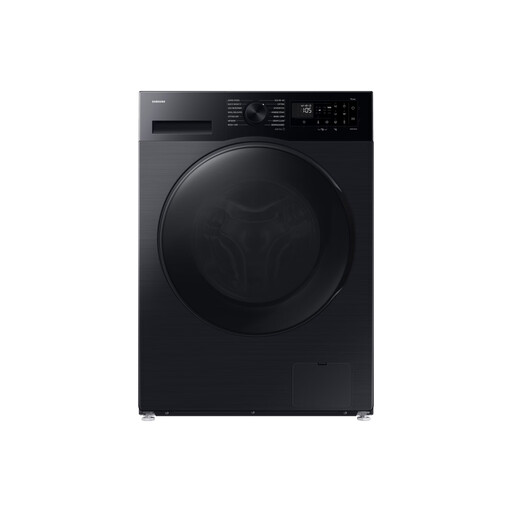
Samsung Series 5 AI Energy WD90DG5G34BBEU 9kg/6kg Washer-Dryer, Black
This freestanding model is worth considering when face cloths join larger family loads and a 6kg drying limit matches your routine.
It is identified as a 9kg-wash/6kg-dry variant. Check the programme manual for suitable temperatures and an extra-rinse option rather than relying on the name of a steam feature.
View on Joybuy
 No image available
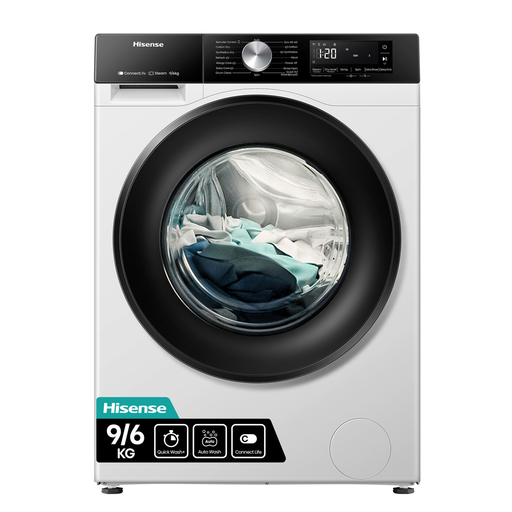
Hisense 3S Series WD3S9043BW3 9kg/6kg Washer-Dryer, 1,400rpm
Consider this freestanding option if you regularly wash face cloths with other household laundry and plan around a 6kg drying limit.
The title specifies 9kg washing, 6kg drying and a 1,400rpm spin. Check its installation requirements and programme manual against your space and cloth-care needs.
View on Joybuy
 No image available
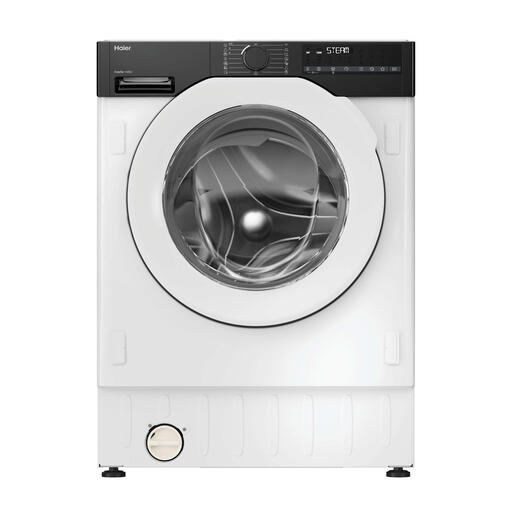
Haier Series 6 BHA6S696M6D9-80 Integrated 9kg/6kg Washer-Dryer, White
This integrated model is for a kitchen layout that requires a built-in appliance while still accommodating family wash-and-dry loads.
The stated capacities are 9kg for washing and 6kg for drying, with a 1,600rpm spin. Confirm the cabinet opening, door compatibility and installation requirements before ordering.
View on Joybuy
 No image available
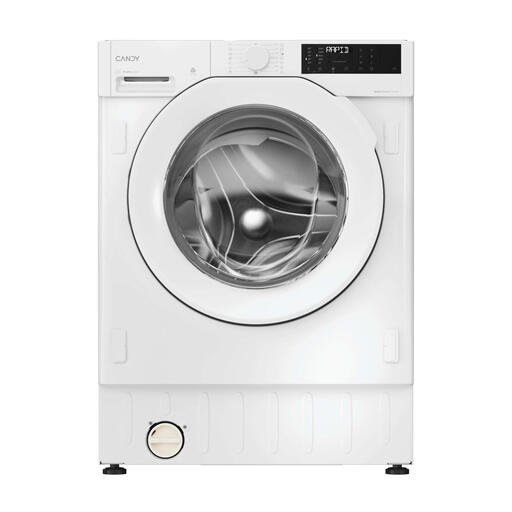
Candy BC4S496M6D8-80 Integrated 9kg/6kg Washer-Dryer, White
Consider this model where an integrated installation is required and its 6kg drying capacity suits the loads you intend to finish in the machine.
The stated capacities are 9kg washing and 6kg drying. Confirm cabinet and door compatibility, and compare the exact GB energy label for the wash-and-dry cycle.
View on Joybuy
Common questions
Do family face cloths always need a 60°C wash?
No: for ordinary face cloths, follow the textile care label and choose a suitable cycle. Sandwell and West Birmingham NHS Trust’s home patient-laundry guidance calls for 60°C or higher for towels from someone with a known infection where the fabric allows; that specific circumstance should not be applied to every household load.
Why can a washer-dryer wash more than it can dry?
Its rated washing and drying capacities describe different operations, so a load within the washing limit may exceed the limit for a complete wash-and-dry cycle. Check both kilogram figures before deciding whether you would need to remove or divide part of a regular load.
What energy information should I compare?
Compare the exact model’s GB energy label and product information sheet for the way you intend to use it. Pay attention to wash-only information as well as the complete wash-and-dry cycle rather than treating a promotional saving claim as a result for every load.
Is an extra-rinse option useful for face cloths?
It is worth checking if detergent residue on items that touch the face is a concern in your household. Confirm that the exact model offers the option, and continue to follow the cloth-care instructions and detergent directions.
Should I choose an integrated or freestanding washer-dryer?
Choose an integrated model when the appliance must be installed within compatible cabinetry; otherwise, consider whether a freestanding model fits your intended position. For either type, confirm dimensions, clearances and installation requirements before ordering.


