Families wanting one continuous laundry routine
If you want cotton T-shirts washed and dried without removing items between stages, compare your usual load with the machine’s drying limit, not just its wash capacity.


Choose a washer-dryer by the size of the T-shirt load you want to wash and dry without removing items: the drying limit is lower than the wash-only capacity, as Which? explains. A 6 kg drying capacity allows a larger continuous load than a 5 kg one, but neither will dry a full 9 kg wash in one cycle. Check the exact appliance’s depth, cotton programmes, installation instructions and separate wash-and-dry energy information before choosing.
If you want cotton T-shirts washed and dried without removing items between stages, compare your usual load with the machine’s drying limit, not just its wash capacity.
A larger wash drum may suit frequent large loads if you can split the washed laundry before drying. Which? notes that washer-dryers have a lower drying capacity than washing capacity.
A combined appliance avoids finding space for a second machine, but its full installed depth, water and drain connections, and electrical arrangement still need checking.
Start with the amount you normally need to dry in one cycle; then check whether the wash capacity, installation space and garment-care options suit the household.
| Concern | What to check | Who this matters to |
|---|---|---|
| Continuous wash-and-dry load | Compare the stated wash-and-dry capacity with the wash-only capacity; use the lower figure for a continuous cycle. | I want the usual T-shirt load to finish drying without taking items out halfway through. Around 36% of consumers put that continuous-load need first. |
| Large-batch washing | Compare wash capacity with the size of your normal load, while keeping the separate drying limit in mind. | When T-shirts accumulate across the family, I want to wash more at once and can divide them for drying. That is the primary need for around 29% of consumers. |
| Fit and installation | Measure the space and access route, allowing for the exact model’s hoses, fittings and installation requirements. | I have one appliance space and need to know the machine will fit and connect safely. Around 21% of consumers prioritise that concern. |
| Energy information and garment care | Compare wash-only and wash-and-dry information for the exact model, and check programmes against T-shirt care labels. | I wash cotton T-shirts regularly and want to choose suitable settings while comparing the full laundry routine. For around 14% of consumers, this comes first. |
Which? explains that washer-dryers wash more than they can dry. For example, Bosch specifies 9 kg washing but a 5 kg wash-and-dry limit for the WNA144V9GB; a larger washed load needs dividing before drying.
Compare your normal T-shirt batch with the exact model’s maximum wash-and-dry load.
Capacity alone does not establish whether an appliance will fit. Bosch specifies depths of 590 mm for the WNA144V9GB and 622 mm for the WNC25410GB.
Measure the installation space and access route, and choose capacity around normal rather than exceptional loads.
A wash-only rating does not describe a routine that also uses the dryer.
Read the exact model’s energy label and product information sheet, distinguishing wash-only from wash-and-dry information.
Electrical Safety First warns that an extension lead used with multiple large appliances can be overloaded, creating a fire risk.
Follow the appliance manufacturer’s connection instructions and arrange competent installation where required.
Two Bosch models illustrate how wash capacity, drying capacity and depth can differ.
The LWX60966B is a 9 kg wash/6 kg dry model with cotton-related programmes.
The FWY696WWLN1 is a 9 kg wash/6 kg dry washer-dryer with model-specific sensing features.
The WD90HG5U34BBEU is a 9 kg wash/6 kg dry model with energy and fabric-sensing features subject to Samsung’s stated conditions.
These models offer stated 9 kg washing capacity with either 5 kg or 6 kg drying capacity. The freestanding and integrated designs suit different installation arrangements; check the exact programme list and space requirements before choosing one for family T-shirt laundry.
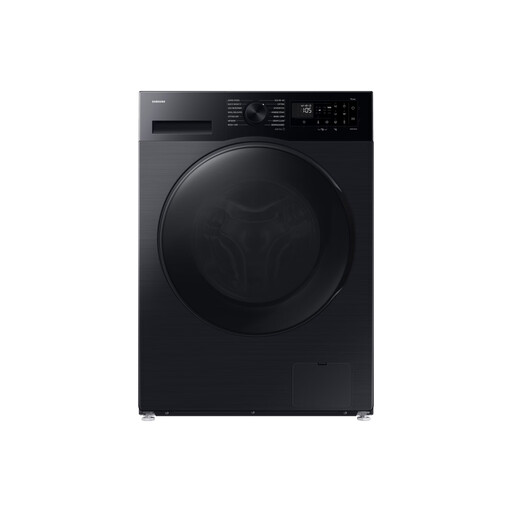 No image available
Consider this freestanding model if a 6 kg drying limit suits your usual T-shirt load.
Its name states 9 kg washing and 6 kg drying capacity. Check its cotton programmes, installed clearance and connection instructions before buying.
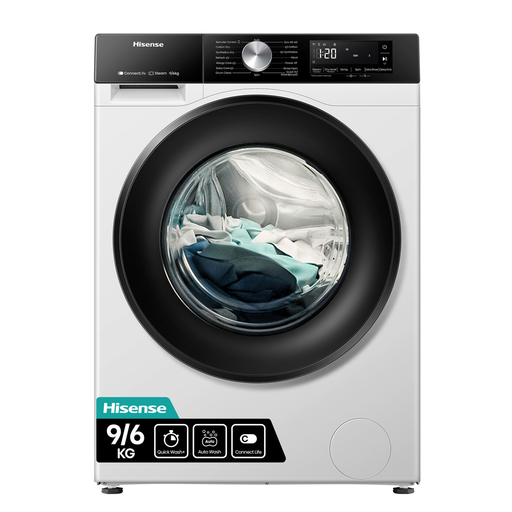 No image available
This freestanding option is worth checking if you want to wash larger family batches but keep each continuous drying load within 6 kg.
The name states 9 kg washing, 6 kg drying and 1400 rpm. Confirm the cotton settings and full installation clearances.
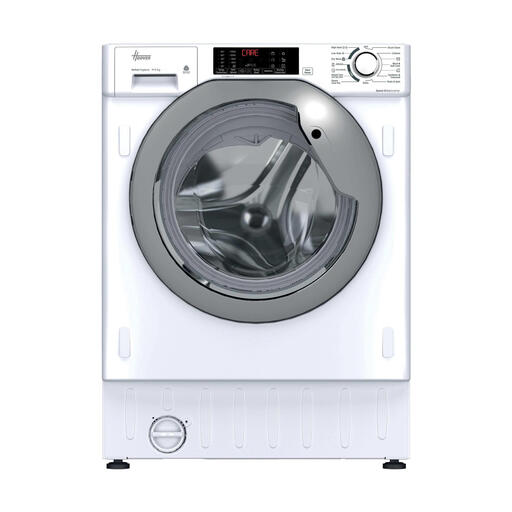 No image available
Consider this integrated model where a suitable cabinet is available and drying batches of up to 5 kg meet your needs.
Its stated 9 kg washing and 5 kg drying capacities mean a larger washed batch must be divided before drying. Check the cabinet, qualified-installation requirements and cotton programmes.
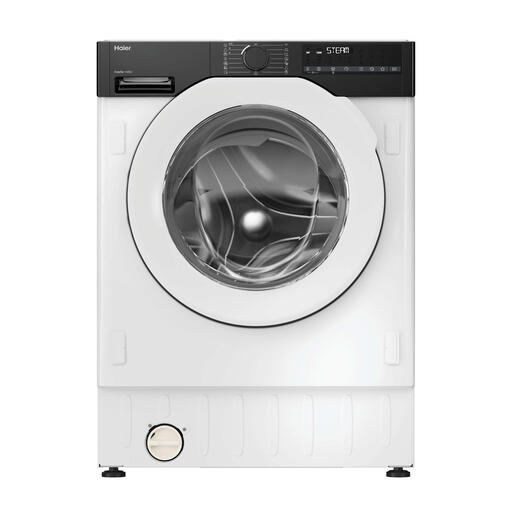 No image available
This integrated option suits consideration when you have a compatible cabinet and want a 6 kg drying limit.
The name states 9 kg washing, 6 kg drying and 1600 rpm. Confirm cabinet dimensions, qualified installation and the programme settings for your T-shirts.
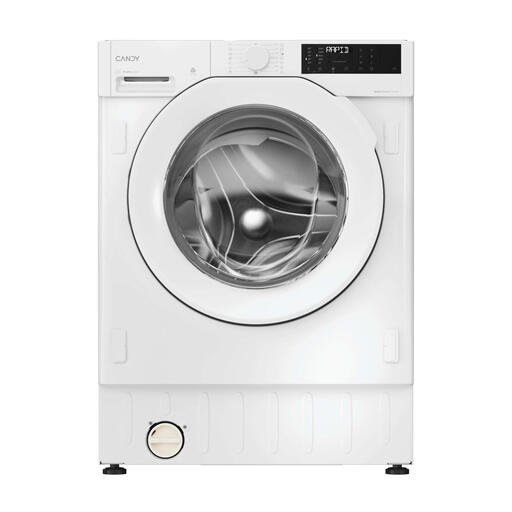 No image available
Consider this integrated model if a suitable cabinet is available and your continuous drying batches stay within 6 kg.
The name states 9 kg washing, 6 kg drying and 1400 spin. Check its cotton programmes, installation requirements and product information sheet when comparing energy use.
Not on a 9 kg wash/5 kg dry or 9 kg wash/6 kg dry model: its lower drying figure limits the continuous cycle. Which? explains that washer-dryers have a lower drying capacity than washing capacity, so divide a full wash load before drying when necessary.
Use a cotton programme only when the garment’s care label permits its washing and drying settings. Check temperature, spin and drying instructions for printed or delicate T-shirts rather than assuming that the fabric name alone determines the cycle.
Check the exact dimensions, installed clearances, access route, water and drain connections, and the manufacturer’s electrical instructions. Electrical Safety First warns against overloading an extension lead with large appliances and recommends competent installation.
Compare the exact model’s wash-and-dry information, not just its wash-only rating, on the energy label and product information sheet. GOV.UK notes that energy-labelling arrangements differ between Great Britain and Northern Ireland, so use the information applicable where the appliance is sold and installed.