Small-space sheet washers
You wash cotton sheets at home but have limited room in a kitchen, utility cupboard or laundry area. Installed depth, connections behind the machine and space to open its door are your first filters.


Start with the space the washing machine will occupy after installation, rather than choosing by drum capacity alone. Measure around pipework and allow for connections and the open door; then compare models that fit against your usual sheet load and check that they offer the Cotton programme and temperatures you need.
You wash cotton sheets at home but have limited room in a kitchen, utility cupboard or laundry area. Installed depth, connections behind the machine and space to open its door are your first filters.
You need to fit your usual cotton-sheet load without cramming bulky items into the drum. Compare rated capacity with the load you intend to wash, alongside the machine’s dimensions.
You place more value on a suitable Cotton programme, usable temperature choices and an installation you can maintain than on a headline quick-cycle time.
For washing cotton sheets in a confined space, establish which machines can be installed and loaded comfortably before comparing capacity and cycles.
| Concern | What to check | Who this matters to |
|---|---|---|
| Installed footprint and access | Measure usable width, height and depth around pipework, then check door-opening space. Allow around 25 mm at either side and roughly 50–150 mm at the rear for freestanding machines; follow the model’s installation instructions. | If the machine sits near cabinets or a walkway, I need to open its door and load sheets without obstructing connections. Around 33% of consumers put fit and access first. |
| Capacity for sheets | Compare the rated wash capacity with the bedding you normally wash at once, but assess cabinet depth separately; a kilogram rating does not establish how much installation space a model needs. | I wash bedding regularly and would rather split a load than force bulky sheets into the drum. For around 27% of consumers, sufficient capacity is the primary concern once a machine can fit. |
| Cotton cycles and temperatures | Check the exact model’s Cotton programme and selectable temperatures against the sheets’ care labels. Do not assume a short cycle accepts the same load as a Cotton cycle. | When sheet labels call for different temperatures, I want a suitable cycle I can select without relying on a small-load quick wash. Programme and temperature choice comes first for around 20% of consumers. |
| Installation and upkeep | Check the manufacturer’s fitting instructions, access to a suitable fixed socket and whether you can reach the filter and door seal after installation. Electrical Safety First warns about the fire risk from overloading an extension lead with large appliances. | A machine that fits tightly is no use to me if I cannot connect it safely or reach areas that need routine attention. Around 20% of consumers chiefly prioritise installation and upkeep. |
A depth measurement for the appliance alone does not account for pipes, plugs or the space needed to open the door. A machine that fits the measured recess could still be awkward to connect or load.
Measure the usable space around existing connections and compare it with the exact model’s dimensions and installation clearances before ordering.
A short programme may have a restricted load size and does not, by itself, establish that it is suitable for bulky cotton sheets.
Check the programme table for its load limit, then compare the Cotton cycle’s options with the sheets’ care labels.
A combination machine can avoid the need for a separate dryer, but its drying capacity may be lower than its washing capacity. A full wash load might therefore need to be divided before drying.
If in-machine drying matters, check both capacity figures and the installed dimensions rather than judging the appliance by wash capacity alone.
Electrical Safety First warns that a washing machine can overload an extension lead, particularly when it is used with other large appliances, creating a fire risk.
Plan access to a suitable fixed socket and follow the manufacturer’s installation instructions; arrange competent fitting where the installation requires it.
These model-specific examples show why depth and rated capacity should be checked independently; none establishes whether a machine will fit your installation space.
The F2C509GBTN1 is relevant if you are comparing shallow freestanding cabinets without automatically choosing a lower rated wash capacity.
The BMN3WT3821 provides an 8 kg freestanding example for spaces that can accommodate its stated 54.6 cm cabinet depth.
The WAJ28008GB is a 7 kg freestanding example to assess if your usual sheet loads are modest and its stated dimensions fit.
This freestanding front-loader is a capacity-led option to assess for regular sheet washing. Check its installed fit and Cotton-cycle options against your space and bedding before choosing it.
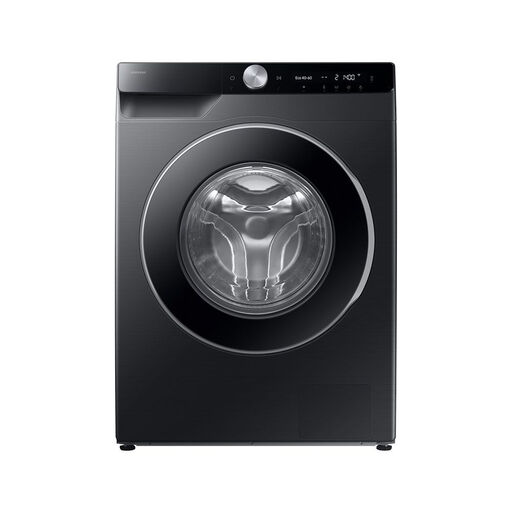 No image available
For regular cotton-sheet loads, compare its stated 9 kg capacity with the bedding you wash at once; do not overfill the drum.
The product name specifies a 1400 rpm spin speed. Before choosing this model, check its Cotton programme and temperature options, and allow space for connections and the open door.
Measure from the pipework and plug, not just from the wall. Allow around 25 mm at either side and roughly 50–150 mm at the rear for freestanding washers and washer-dryers; also allow the door to open and follow the exact model’s installation instructions.
It can if its rated capacity suits your usual sheet load and its installed dimensions fit your space. LG specifies the F2C509GBTN1 at 9 kg and 475 mm cabinet depth, illustrating why capacity and depth need separate checks; avoid packing bedding tightly into the drum.
Follow the sheets’ care labels and choose a temperature available on the machine’s suitable programme. Which? advises that 60°C with a good-quality detergent gives a better chance of removing germs, while 40°C is generally suitable for many stains; neither setting overrides the fabric’s care instructions.
Plan for a suitable fixed socket instead of using an extension lead to make an awkward installation work. Electrical Safety First warns that an extension lead used with other large appliances can overload and create a fire risk; follow the machine’s fitting instructions and seek competent installation where needed.