Changeover-focused holiday-let host
You need to complete repeat laundry loads around guest departures. Compare the load allowed on the programme you intend to use, its duration and whether the property can dry each batch promptly.


Choose a freestanding washing machine if the holiday let already has a dependable way to dry laundry and wash throughput is the main constraint. A washer-dryer addresses limited drying space, but its dry-load limit can be lower than its wash-load limit. For cotton underwear, check garment labels and the intended programme’s load limit rather than relying on headline drum capacity or quick-wash claims.
You need to complete repeat laundry loads around guest departures. Compare the load allowed on the programme you intend to use, its duration and whether the property can dry each batch promptly.
You want to follow each garment’s care label without overloading the machine. A suitable cotton programme matters; pre-wash or extra-rinse options are worth checking if your laundry routine calls for them.
You need to wash and dry laundry without a separate drying area or appliance. Check a washer-dryer’s dry capacity independently of its wash capacity before planning changeovers around it.
Start with the property’s drying arrangement: it determines whether a separate washing machine can keep laundry moving or whether drying in the same appliance is the more useful constraint to solve.
Choose when: There is a dependable drying arrangement and completing wash loads between stays is the priority.
Allow for: Washing capacity does not provide drying capacity, and a quick programme may accept less than the rated load.
Choose when: Space for a separate dryer or practical drying area is the main limitation.
Allow for: The dry-load limit may require a full wash load to be split before drying. Bosch, for example, specifies 9 kg washing and 5 kg drying for its WNA144V9GB.
| Concern | What to check | Who this matters to |
|---|---|---|
| Changeover time | Compare the intended cotton or quick programme’s permitted load and duration, not just rated drum capacity. | When several loads need washing between stays, I want a routine that fits the available changeover time. Around 36% of consumers put repeatable wash turnaround first. |
| Cotton care and rinsing | Check cotton settings against garment labels and look for pre-wash or extra rinse if your routine needs them. | If underwear has different care instructions, I need to choose suitable settings without overloading the drum. Cotton care is the primary concern for around 29% of consumers. |
| Running information | Compare the A–G energy class and label figures on the same programme basis; check the exact model’s product information. | With repeated laundry loads, I want comparable electricity-use information before choosing a machine. Around 21% of consumers prioritise running information. |
| Drying space | For a washer-dryer, compare wash and dry capacities separately and check the combined-cycle duration. | Without a workable separate drying arrangement, I need to know how much laundry the appliance can actually dry. Drying space comes first for around 14% of consumers. |
A rated capacity does not establish the permitted load for every quick or specialist cycle. LG’s stated 39-minute TurboWash 360 cycle for the F4X7009TBB, for instance, applies to a 5 kg load, not its full 9 kg capacity.
Check the manual for the cotton and quick programmes you would use, including their load limits and durations.
If the intended programme requires smaller loads, completing the laundry may take additional cycles.
Bosch specifies 9 kg washing but 5 kg drying for the WNA144V9GB. A full permitted wash load therefore cannot be treated as a single full-capacity dry load.
Compare the two capacities and the combined-cycle duration for the exact model against your likely laundry batches.
Splitting a washed load for drying can add a further drying cycle to a changeover.
A brand’s steam or allergy statement does not establish the right settings for every item of cotton underwear. Garment labels and the machine’s loading instructions still govern the wash you choose.
Use each garment’s care label when selecting a programme; consider steam, pre-wash and extra rinse only where the exact model offers them and they suit the task.
Appliance dimensions alone do not account for opening the door or making the necessary connections. Bosch lists the WGG244A9GB at 848 × 598 × 590 mm, so its stated depth is only one part of a fit check.
Measure door clearance and connection space, then confirm installation and removal arrangements for the product you choose.
These models illustrate different specification checks; a brand’s inclusion does not establish how another model in its range will perform.
Bosch provides examples of both routes: the freestanding Series 6 WGG244A9GB and the Series 4 WNA144V9GB washer-dryer.
The freestanding WED385 WCS is relevant where the property already has a separate drying arrangement and additional programme features are of interest.
The freestanding F4X7009TBB gives hosts a defined medium-load rapid-cycle claim to compare with their changeover routine.
These freestanding washing machines and washer-dryers relate to the two drying arrangements discussed above. Match the format to the property first, then check the exact cotton-programme limits and installation fit.
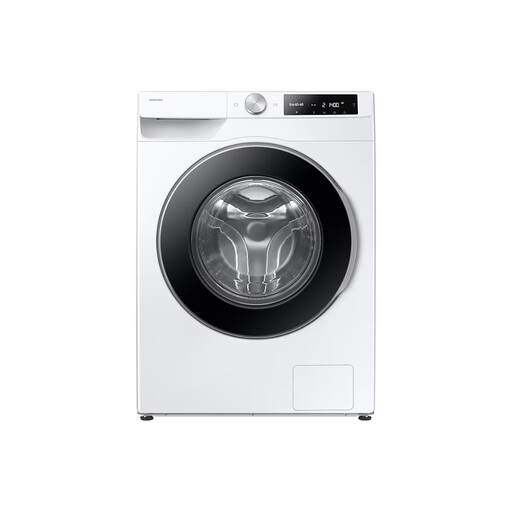 No image available
A freestanding option for a host with a separate drying arrangement and regular wash batches. The product name specifies 1400 rpm; check the intended cotton programme’s load limit and duration before scheduling changeovers around it.
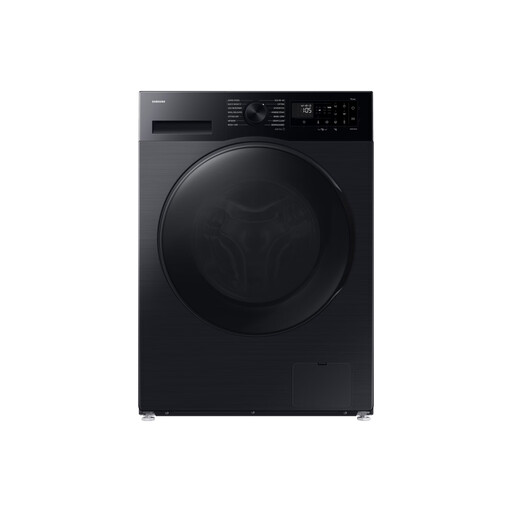 No image available
Consider this format where there is no dependable separate drying arrangement. Its stated 6 kg dry capacity is lower than its 9 kg wash capacity, so check whether a typical washed batch would need splitting before drying.
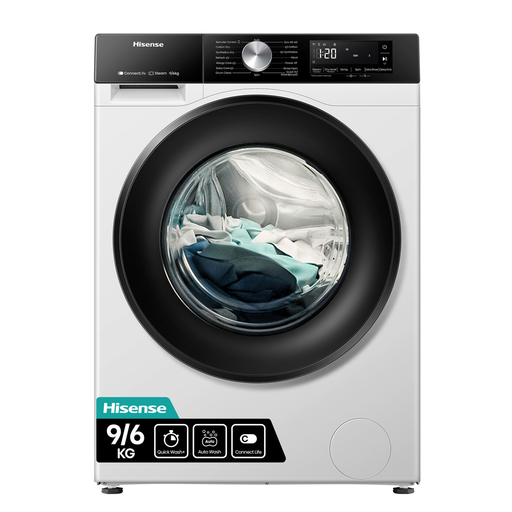 No image available
Another combined-appliance option when drying space is limited. The product name specifies 1400 rpm; its 6 kg dry limit is below its 9 kg wash limit, so compare those limits with the laundry produced at each changeover.
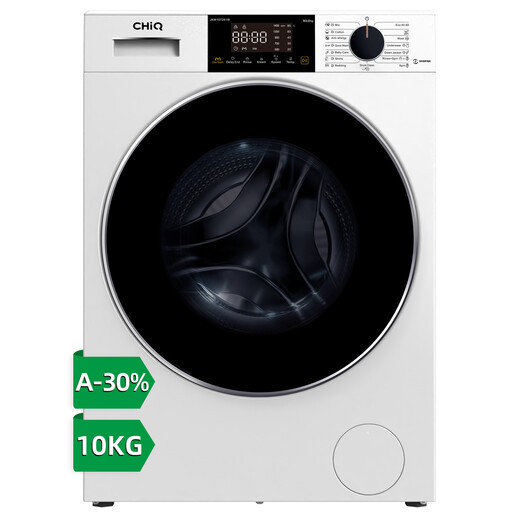 No image available
A freestanding option to consider if wash batches are large enough to make use of its stated capacity and drying is handled separately. Check the intended cotton and quick programmes’ permitted loads before relying on the headline capacity.
 No image available
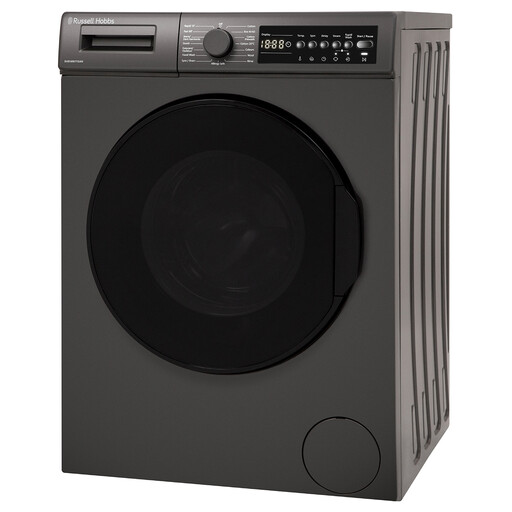
A freestanding choice for a property with its own drying arrangement. The product name specifies 1400 rpm; confirm the cotton settings and any rapid programme’s load limit against the underwear you intend to wash.
Choose according to what delays the laundry: batch size calls for checking rated and programme-specific capacity, while a tight wash window calls for checking the intended programme’s duration and allowed load. A 9 kg rating does not establish a 9 kg quick-cycle limit.
No single temperature suits every garment; follow its care label. Shrewsbury and Telford Hospital NHS Trust’s guidance for washing soiled clothing at home advises using the highest temperature the fabric can tolerate and avoiding an overloaded machine. That patient-laundry advice is not a holiday-let rule.
Do not assume it can: Bosch specifies 9 kg wash and 5 kg dry capacities for the WNA144V9GB. Compare both limits on the exact model, as a full wash load may have to be divided before drying.
Compare the current A–G energy class and the label’s electricity-use, capacity and programme-duration figures on the same stated basis. As Energy Saving Trust explains, A is the most efficient end of that scale; label figures do not predict consumption for every cotton or quick wash at the property.