
24/7 全天候客户支持

免费退货

当日/次日达

品质保障

开启新人专享福利: 全场免邮 | 低至 2 折 | 免费试用 30 天 JoyPlus 会员
下载 Joybuy
Buying a washing machine is rarely just about finding the lowest price. The wrong capacity, an awkward depth or an overly optimistic feature list can turn a seemingly good deal into an expensive inconvenience. UK households also need to consider installation space, energy use, spin performance and whether a washer dryer genuinely suits their routine.
This guide explains the specifications that matter, highlights common purchasing traps and matches selected washing machines to different household needs.
A washer dryer may be advertised with a large washing capacity, but its drying capacity is usually lower. For example, a 9kg/6kg washer dryer can wash up to 9kg but dry only 6kg in a combined cycle. If you fill the drum for washing, you may need to remove some garments before drying.
This is particularly important for families and households that want to run one uninterrupted wash-and-dry programme.
The UK energy label uses an A-to-G scale, but washer dryers have separate ratings for washing only and combined washing and drying. A model can be A-rated for washing yet rated D for the full wash-and-dry cycle.
Check the stated electricity and water consumption where available. Candy washer dryers listed here, for instance, specify 43kWh per 100 washing cycles but 266kWh per 100 combined cycles. The actual cost depends on your tariff, programme choice and usage frequency.
A 15-minute or 30-minute wash is useful for lightly soiled clothing, but it may not be suitable for full loads, bedding or heavily stained items. Look at the maximum load permitted for the quick programme and use the correct cycle for the fabric and soil level.
Features such as steam refresh, automatic load sensing and app controls can be convenient, but they should not distract from the core specifications.
Capacity should reflect both your household size and laundry habits:
Avoid choosing a larger drum solely because it sounds more capable. A bigger appliance may cost more and could occupy unnecessary space if you normally wash small loads.
A 1400 rpm washing machine removes more moisture during the final spin than lower-speed models, which can be useful if you air-dry clothes indoors or use a tumble dryer. It does not mean every garment should be spun at 1400 rpm: delicate fabrics may require a lower setting.
Also check the spin-drying efficiency class and noise level. Several models in this selection operate at approximately 72–78dB during spinning, so placement and floor stability matter in open-plan homes.
Most freestanding washing machines are approximately 85cm high and 60cm wide, but depth varies considerably. A slim washing machine may be around 40–52cm deep, while washer dryers can be closer to 60cm.
Measure:
Never rely only on the cabinet depth shown online. Check whether the measurement includes the door, controls or protruding hoses.
An inverter motor washing machine may offer smoother operation and lower mechanical wear compared with a conventional motor, but warranty terms and installation quality remain important. A steam function may help refresh garments or reduce creasing, while drum-clean programmes support routine maintenance. Neither feature removes the need to follow the care label on clothing.
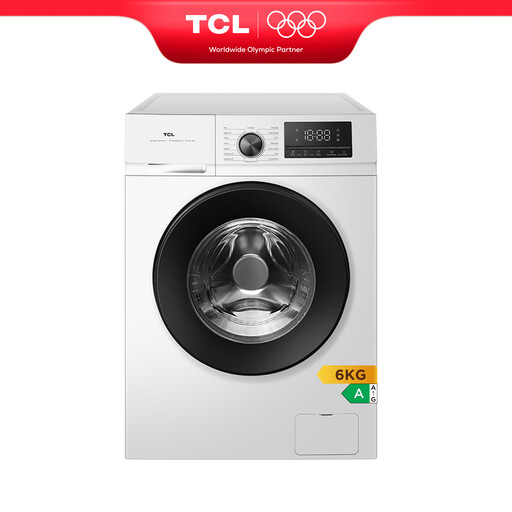
Why This Fits Their Persona: Its 6kg capacity suits smaller UK households, while the freestanding format offers straightforward installation in a flat or compact utility room.
The clearly stated 6kg capacity avoids paying for a larger drum than necessary, while Quick 15' is positioned as a refresh option rather than a replacement for every cycle.
An A energy class, BLDC motor and Drum Clean programme; it also includes an Add Garment function.
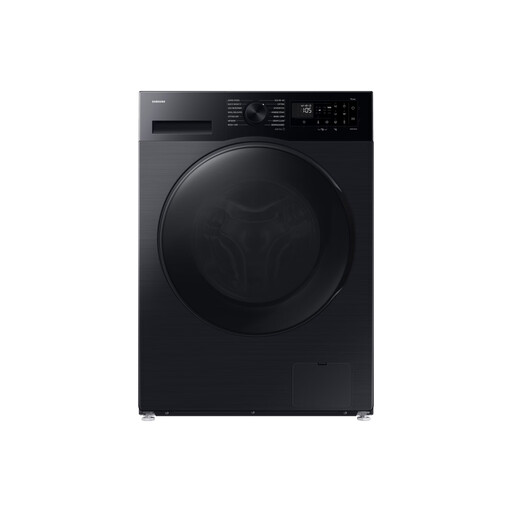
Why This Fits Their Persona: This freestanding washer dryer combines app connectivity with a 9kg wash drum and 6kg drying capacity for households that value integrated laundry management.
The separate A washing and D wash-and-dry ratings make the running-cost distinction visible, while the 6kg drying limit clarifies how combined cycles should be loaded.
1400rpm spin speed, Wi-Fi with SmartThings app, Hygiene Steam and a 15-minute quick wash.
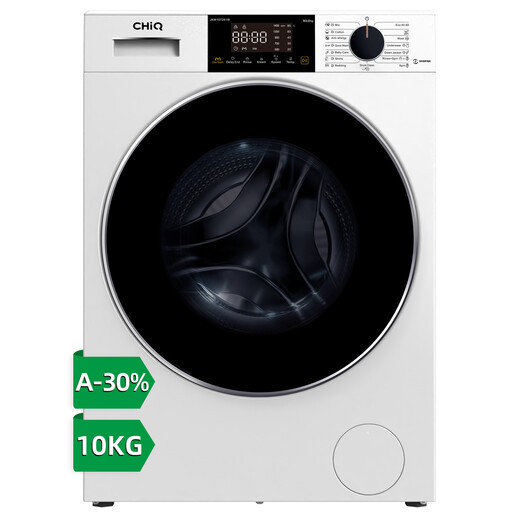
Why This Fits Their Persona: The 10kg drum is designed for larger family loads, bedding and towels, while the 580mm depth can suit standard under-worktop spaces.
Its listed dimensions, 10kg limit and 16 programmes help shoppers match the machine to genuine load requirements rather than relying on vague family-capacity wording.
1400rpm spin, BLDC inverter motor, A-30% classification as listed, Steam Care SPA and 15-minute Quick Wash.
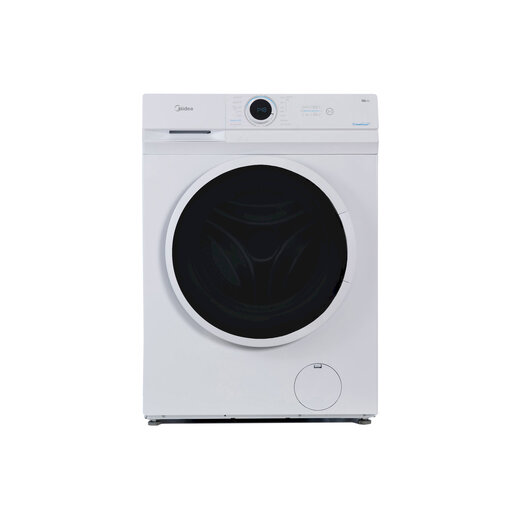
Why This Fits Their Persona: At 40cm deep, this compact washing machine is suited to flats, narrow utility rooms and homes where every centimetre matters.
The 40cm cabinet depth is clearly stated, helping prevent a common fit problem. Its D rating and 1000rpm spin speed also set realistic expectations against larger A-rated models.
15-minute and 45-minute rapid washes, cold-to-60°C temperature settings and a 24-hour delay start.
Before ordering, confirm that the appliance has a suitable UK Type G plug, accessible cold-water connection and a safe drainage route. Place it on a firm, level floor and remove transit bolts before operation. Do not use an extension lead or multi-plug adaptor.
For lower running costs, wash full but not overloaded loads, select lower temperatures when suitable and use Eco programmes. Leave the door and detergent drawer ajar after use to help the interior dry, and clean the filter and seal according to the manual.
Lifespan depends on load frequency, installation, maintenance and repairability. Regularly cleaning the filter, avoiding overloads and keeping the machine level can reduce unnecessary strain. Check the manufacturer’s warranty, parts support and installation requirements before purchase rather than relying on a headline warranty period alone.
They can use more electricity and water when running a complete wash-and-dry cycle than when washing alone. Compare the separate label ratings and per-cycle figures. A washer dryer is often useful where there is no room for a separate tumble dryer, but households with frequent drying needs should consider the smaller drying capacity and longer combined programmes.
It can be useful for households that air-dry laundry or want to reduce tumble-dryer time, because more water is removed during spinning. However, it may produce more noise and is not required for every fabric. Choose a model with adjustable spin settings and follow garment-care instructions.