
24/7 Customer Support

Free returns

Same-day & Next-day Delivery

Quality Guaranteed

Unlock Your Welcome Offers: FREE Delivery | Up to 80% OFF | Free 30-day JoyPlus trial
Download the APP
Buying a washing machine is rarely as simple as choosing the largest drum or the lowest price. A model that looks appealing online may be too deep for your kitchen, expensive to run, or packed with features you rarely use. The right choice depends on your household size, available space, laundry habits and installation requirements.
This guide explains the specifications that matter, common marketing pitfalls and a practical selection of washing machines for different UK households.
An 11kg washing machine can handle substantial loads, but it may not be the most suitable option for a smaller household. Regularly running under-filled cycles can reduce the practical benefit of extra capacity. Conversely, a small drum may leave families washing bedding and towels across several loads.
Choose capacity according to your normal laundry pattern:
Capacity refers to the maximum weight of dry laundry, not the physical size of every item you can put inside the drum.
An A-rated washing machine is classified within the highest band of the current UK energy label system, but actual running costs depend on the programme selected, water temperature, load size and frequency of use. Compare the label’s kWh per 100 cycles figure where available, rather than relying on the letter alone.
Some models use descriptions such as A-10%, A-15% or A-30%. These manufacturer or product-range designations should be checked against the official energy information supplied with the appliance. They should not be treated as a replacement for comparing the standard energy label.
A washing machine listed as 600mm wide may need additional clearance for hoses, vibration and door opening. Always measure:
Freestanding washing machines are generally easier to replace and can be installed beneath a suitable worktop. Integrated washing machines are designed to sit behind a kitchen cabinet door, but require compatible cabinet dimensions, hinges and installation planning.
An 8kg washing machine is a flexible choice for everyday clothing, towels and smaller bedding loads. A 9kg or 10kg model gives families more room for larger loads, while an 11kg drum may be helpful for frequent duvet or curtain washing.
Do not pack the drum tightly. Laundry needs room to move through the water and detergent. Follow the manufacturer’s guidance for specific fabrics and programmes.
A 1400rpm washing machine is a common UK choice. A higher spin speed generally extracts more water before laundry is removed, which can reduce air-drying or tumble-drying time. However, spin-drying efficiency, fabric type and programme settings also affect results.
Check the noise rating if the machine will be near a bedroom or open-plan living space. For example, the Haier model below is listed at 69dB during spin, while several other options are listed between 71dB and 78dB.
An inverter motor washing machine uses brushless motor technology on many models, with product specifications commonly describing smoother or quieter operation. Compare the stated noise level and warranty rather than assuming all inverter motors perform identically.
Useful features include:
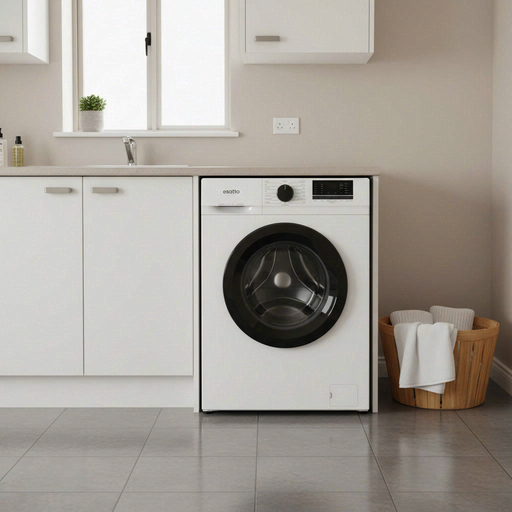
Why This Fits Their Persona: This freestanding model offers an 8kg capacity, A energy rating and 500mm depth, making it suitable for everyday laundry where space and straightforward controls matter.
Its 15-minute quick wash has a stated 2kg limit, helping buyers avoid assuming a short cycle can replace a full-load programme.
23 programmes, drum-clean setting, anti-crease function and a two-year parts and labour warranty.
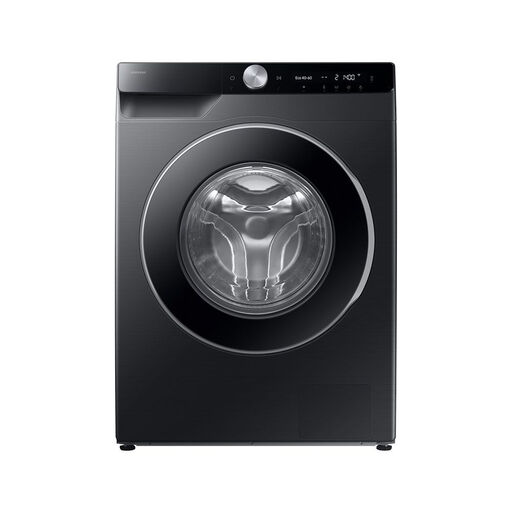
Why This Fits Their Persona: A 9kg capacity, black finish, Wi-Fi connectivity and app-based controls suit households wanting connected laundry management alongside practical capacity.
The specification lists a 5kg, 39-minute Super Speed cycle, so buyers can distinguish its quick programme from the full 9kg capacity.
A-rated energy class, 1400rpm spin speed, Digital Inverter motor and SmartThings connectivity.
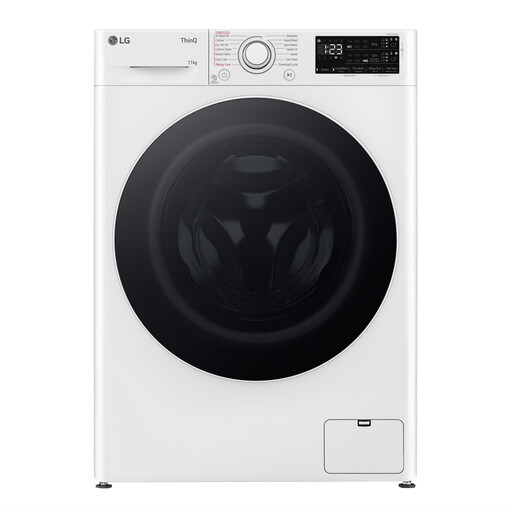
Why This Fits Their Persona: Its 11kg drum is suited to large households handling frequent clothing, bedding or other bulky laundry loads in a standard-width freestanding format.
The listed 565mm depth and 60cm width should still be checked against door clearance, hoses and the available installation space before ordering.
A rating, 1400rpm spin speed, automatic detergent dosing and Wi-Fi connectivity.
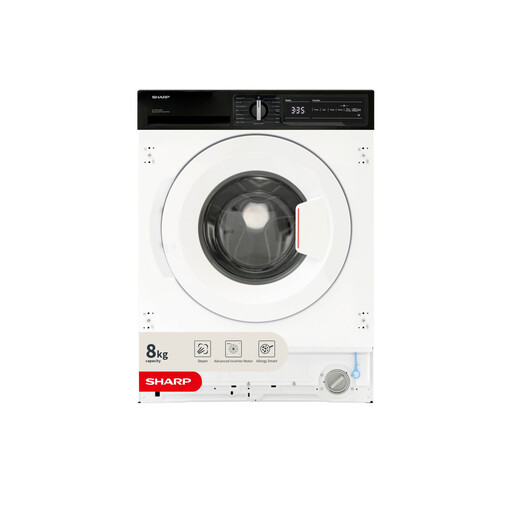
Why This Fits Their Persona: The fully integrated design sits behind a cabinet door, making it suitable for homeowners prioritising a consistent fitted-kitchen appearance.
Its 817mm height and 597mm width show why integrated appliances need cabinet and plinth measurements checked before installation.
8kg capacity, A energy rating, 1400rpm spin, steam function and a 15-minute SuperJet programme for a 2kg load.
We have compiled a complete, real-time list of products that fully satisfy these strict selection criteria and UK safety regulations.
Before purchase, confirm that the retailer’s installation service covers your property and appliance type. Transit bolts must be removed before operating a new machine, and the appliance should stand level on a firm surface. Do not use an extension lead or multi-plug adaptor; connect it to a suitable earthed socket as instructed.
For lower running costs, wash full but not overloaded loads, use lower-temperature programmes when appropriate and clean the detergent drawer, door seal and filter regularly. Keep the door slightly open after use to allow the interior to dry.
Yes. A 1400rpm model can remove a useful amount of water before drying, which may help households that air-dry laundry or use a tumble dryer. Compare the spin-drying efficiency class and noise rating as well as the maximum rpm.
For many UK families, 8kg to 10kg washing machines offer a practical balance between everyday clothing and bulkier items. Larger households or those washing bedding frequently may prefer an 11kg model, provided the drum is used appropriately.
Wi-Fi washing machines can be useful if you value cycle notifications, remote monitoring or downloadable programmes. They are less valuable if you prefer simple controls or have unreliable connectivity. Check whether core functions remain available without the app and review the manufacturer’s privacy and account requirements.