Housemates who share face cloths and towels
You want a repeatable wash routine that follows fabric care labels. A named Hygiene programme or Extra Rinse may be worth checking, but neither should be confused with a steam refresh.


Choose a washing machine with a wash programme suitable for the face cloths’ care labels, then consider a named Hygiene programme or Extra Rinse if those features matter to your household. For shared laundry, balance drum capacity and short-cycle conditions against the available space, energy information and spin noise; a steam refresh is not automatically a substitute for washing.
You want a repeatable wash routine that follows fabric care labels. A named Hygiene programme or Extra Rinse may be worth checking, but neither should be confused with a steam refresh.
You need enough capacity for routine loads without tying up the machine unnecessarily. Check the permitted load and intended use of any short programme before counting on it for face cloths.
Frequent washes make energy and water information relevant, while the appliance’s position makes spin noise and dimensions worth checking alongside drum capacity.
Start with a wash programme that suits the cloths’ care labels. Then decide whether your household’s main constraint is wash routine, laundry queues, or the machine’s day-to-day fit.
| Concern | What to check | Who this matters to |
|---|---|---|
| Face-cloth wash routine | Check care-label-compatible wash temperatures and the exact conditions of any Hygiene programme. Look for Extra Rinse if detergent residue matters. | I want a regular wash for communal face cloths, rather than assuming a steam refresh does the same job. Around 42% of consumers would put this wash-routine need first. |
| Shared-load scheduling | Compare rated drum capacity and the load and soil limits of short programmes. | When several housemates need the machine, I want to plan ordinary loads without relying on a quick cycle outside its stated conditions. This is the main concern for around 33% of consumers. |
| Running use and installation | Compare the exact model’s energy information and spin noise; measure maximum depth and the space needed for hoses and door opening. | If the machine runs often or sits near a bedroom, I need it to fit the space and household routine. Around 25% of consumers would make these practical constraints their primary concern. |
Steam programmes can have different purposes. AEG says its ProSteam programme does not exceed 40°C; that does not make it interchangeable with the machine’s separate Hygiene wash.
Read the exact model’s programme instructions and choose a wash that follows the face cloth’s care label.
Drum capacity does not tell you how far a machine projects. AEG lists a maximum depth of 602 mm for the LFR61842B, while Hotpoint lists the NSWM 946 W UK at 60.5 cm deep.
Measure the recess and allow for hoses and door operation before deciding which load capacity suits the house.
A short programme has its own load and soil conditions. Samsung describes the 15-minute Quick Wash on the WW90FG3M05AWEU as intended for small, lightly soiled loads under 2 kg.
Use the programme instructions and cloth care labels to decide when a normal or Hygiene wash is more appropriate.
The LFR61842B is a model to examine if an 8 kg drum, a named Hygiene programme and Extra Rinse are on your checklist.
The WW90FG3M05AWEU is a 9 kg example with a named Hygiene Steam feature and a small-load quick programme.
The 9 kg NSWM 946 W UK gives shared households a model-specific example of a Full Load 45' programme alongside Anti-allergy and Steam Hygiene features.
The WGG04409GB illustrates the combination of Hygiene Plus and Extra Rinse that some consumers may want to look for.
These 8 kg, 9 kg and 11 kg machines offer different capacities for face cloths alongside everyday shared-house laundry. Choose the wash programme by the cloth care labels, and check the exact instructions before relying on a hygiene or rapid setting.
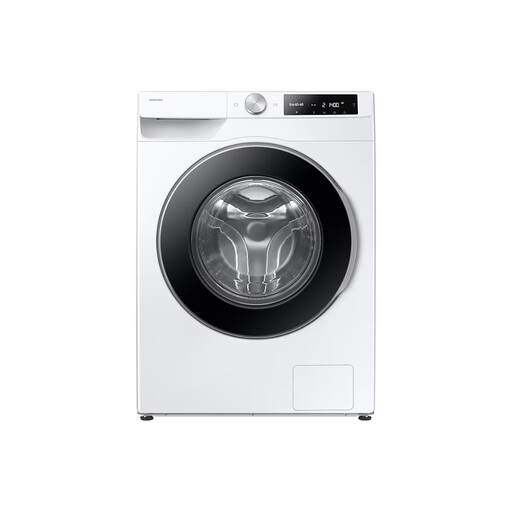 No image available
Consider the 9 kg drum if housemates regularly combine everyday loads. The product title lists a 1400 rpm spin speed and A energy rating; check the Hygiene Steam programme instructions against the face cloth care labels and confirm whether an extra rinse is available if you need one.
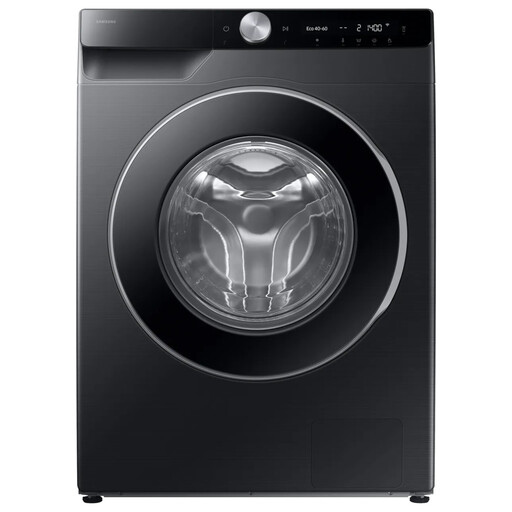 No image available
The 11 kg drum is worth considering if residents plan larger combined loads. Its title lists a 1400 rpm spin speed and A energy rating; check the Hygiene Steam programme conditions, available rinse options and the exact model’s energy information before choosing it for your routine.
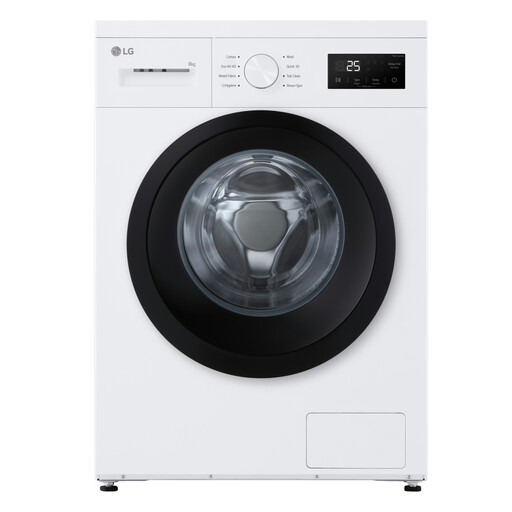 No image available
An 8 kg drum may suit housemates who prefer frequent routine loads. The title lists a 1400 rpm spin speed and A energy rating; check the conditions of any Allergy Care or quick programme and measure the total installed depth, including the door and hose space.
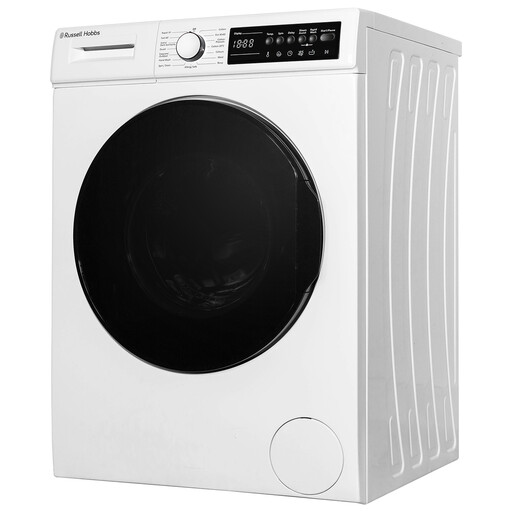 No image available
The 9 kg drum gives a shared household capacity to weigh against its available space. Its title lists a 1400 rpm spin speed and A energy rating; check the Anti-Allergy and rapid-programme instructions, and compare the stated spin noise with your planned location.
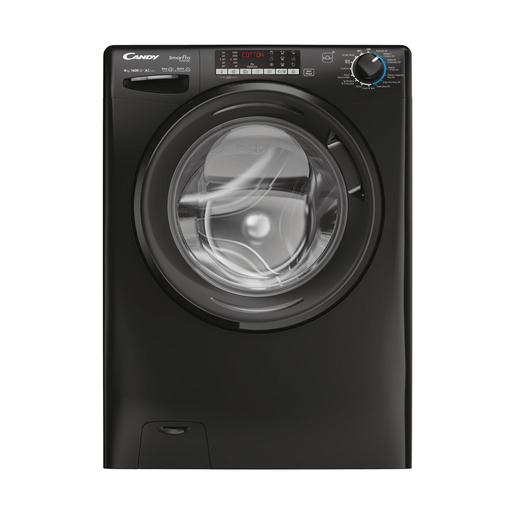 No image available
Consider the 9 kg drum if shared-load scheduling is your priority. The title lists a 1600 rpm spin speed and A energy rating; check rapid-cycle fabric and soil conditions for face cloths, and do not treat an Easy Iron steam setting as a named Hygiene wash.
Ordinary household face cloths do not, by themselves, call for a specialist machine: choose a suitable wash programme and follow their care labels. A Hygiene programme or Extra Rinse may suit your household’s preferences. Royal United Hospital Bath NHS Trust’s stricter 60°C patient-laundry advice concerns heavily soiled clothing or clothing used by someone with a known infection; it should not be applied automatically to every shared-house cloth.
Do not assume that steam refresh replaces laundering. AEG says its ProSteam programme does not exceed 40°C and is intended for creases and odours; use a wash programme that follows the cloth care label, and check any separate Hygiene programme’s instructions.
Measure the available width, height and maximum depth, allowing for hoses and the door to open. Check the exact machine’s installation manual against the available electrical and plumbing arrangements before ordering.
Check the energy label for the exact machine rather than relying on a brand-level claim. GOV.UK guidance says an in-scope product’s energy label must be displayed at the point of sale, including on a website; use the model information to compare energy use alongside the capacity your household needs.
Follow the detergent and programme instructions, and consider an extra rinse if residue on towels or cloths is a concern. Miele notes that an extra rinse can help rinse detergent from towels; check the chosen machine’s cleaning instructions and use its drum-cleaning reminder if it has one.