For regular cotton T-shirt loads, look for a cotton programme with temperature and spin settings you can adjust to each garment’s care label; do not assume that every cotton T-shirt suits a hot wash or maximum spin. Choose capacity and any shorter-cycle option around the loads you actually wash, then compare the energy label, spin noise, dimensions and installation requirements of the exact machine.
Who is this for?
Everyday cotton T-shirt washers
If T-shirts make up much of your regular laundry, adjustable settings matter because individual care labels can call for different temperatures or spin settings. Which? discusses the differences between washing programmes, while AEG advises following the garment label.
Frequent small-load households
If T-shirts need washing repeatedly during the week, compare the conditions of a short programme as well as the normal cotton cycle. Hotpoint and Bosch describe quicker options on selected models, but the permitted load and settings need checking for the machine you choose.
Buyers working around space and noise
If the washer will sit in a tight space or near a living area, compare its dimensions, drum capacity and stated spin-noise figure. These are model-level specifications to check.
What matters when choosing?
Start with garment-care settings and the loads you wash most often; a quick cycle or a favourable energy class cannot replace those checks.
| Concern |
What to check |
Who this matters to |
| Cotton-care flexibility |
Look for a cotton programme and adjustable temperature and spin settings; check the permitted load for that programme. |
If my T-shirts have different care labels, I need settings that let me follow each one rather than washing everything hot. Around 31% of consumers might put this flexibility first. |
| Shorter routine washes |
Check the named quick programme’s permitted load, temperature and garment-care conditions on the exact model. |
When T-shirts need washing again soon, I want a shorter option that still suits the load. Roughly 25% of consumers could make turnaround their primary concern. |
| Labelled energy information |
Compare the exact model’s energy label and product information sheet, not just a headline energy class. |
For a machine used regularly, I want to compare its labelled information before deciding. About 25% of consumers might put that comparison first. |
| Capacity, fit and noise |
Compare drum capacity in kg, machine depth and the stated spin-noise figure in dB; measure the installation space. |
If the washer has to fit a particular space, I need a workable load size without overlooking its dimensions or spin noise. Around 19% of consumers could prioritise those constraints. |
What should you avoid?
-
Assuming every cotton T-shirt can take the hottest setting
Which? notes that cotton programmes are often hotter than synthetics programmes, but a T-shirt’s own care label may call for different settings.
Read the label before selecting the programme, temperature and spin speed.
-
Buying by drum capacity alone
The headline capacity may not apply to every quick, delicate or specialist programme, as Which? explains.
Check the permitted loads for the cotton and short programmes you expect to use.
-
Overlooking depth and installation
A machine needs to fit the intended space, and its spin-noise figure also matters if it will run near living areas. Which? notes that integrated installation is more involved than freestanding installation.
Measure the space and access, allow for the connections specified by the manufacturer, and compare the stated dB figure.
-
Choosing from an energy class or feature name alone
An energy class does not establish whether a programme suits a T-shirt’s label or whether the machine fits your space. Short-cycle and water-adjustment features described by manufacturers apply to particular models and conditions.
Compare the exact machine’s label, programme instructions, dimensions and noise specification together.
Brands to consider
Bosch
Bosch lists the WAN28254GB as an 8 kg, 1400 rpm front-loader and the WAN28259GB as a 9 kg, 1400 rpm front-loader. Compare their individual programmes rather than assuming the same features across both.
- Bosch describes SpeedPerfect and Active Water Plus on selected machines as cycle-time and water-adjustment features.
- Check which features apply to the exact model and programme. Any promotional warranty terms also need checking against their purchase and registration conditions.
Hotpoint
Hotpoint lists an 8 kg capacity, 1400 rpm spin, Anti-stain 40 cycle and Full Load 45' programme for the NSWM 846 W UK.
- The named model offers a short full-load programme according to Hotpoint’s product description.
- The programme description is a manufacturer claim, not a result for every T-shirt. Check its conditions against the garment label.
Miele
Miele’s UK front-loader range includes 8 kg, 9 kg and 10 kg models, with convenience features differing between machines.
- Particular models list features such as QuickPowerWash, SteamCare or automatic dispensing.
- Check the exact programme list, availability and service terms rather than treating a range feature as standard.
AEG
AEG lists the LFX50842B with an 8 kg capacity, 1400 rpm spin and cotton and rapid programme options.
- AEG says AutoSense adjusts washing time according to load weight and density on the named model.
- Assess its rapid programme separately from its cotton programme, including the permitted load and the T-shirt’s care label.
Joybuy washing machines
These washing machines offer different stated capacities and model features to compare for cotton T-shirt laundry. Before choosing one, confirm its cotton-cycle settings, programme-specific load limits and fit for your space.
 No image available
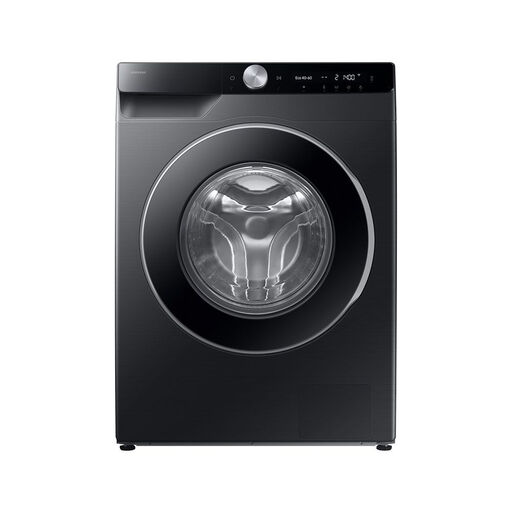
Samsung WW90DG6U25LBU1 Series 6, 9 kg, black
Consider this 9 kg machine if you need capacity for regular loads and want to assess a shorter-cycle option.
The product name specifies a 1400 rpm spin. Confirm the cotton programme and its adjustable settings, along with the permitted load and conditions for any short cycle.
View on Joybuy
 No image available
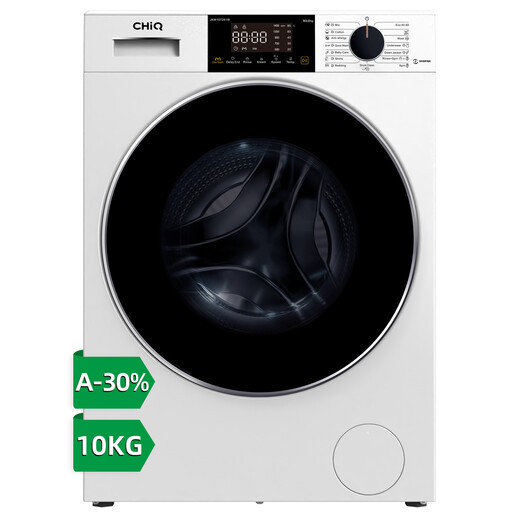
CHiQ JKW107281W, 10 kg, white
Consider this model if a 10 kg drum suits your usual loads and you want to check its programmes for cotton T-shirts.
The product name specifies a 1400 rpm spin. Check the manual for adjustable temperature and spin settings and for the load permitted on any quick programme.
View on Joybuy
 No image available
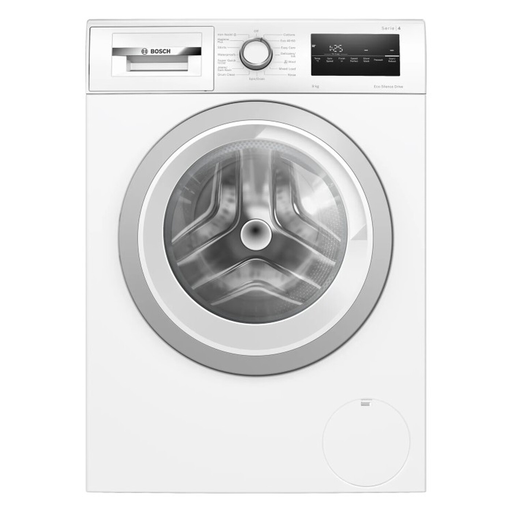
Bosch WAN28259GB Series 4, 9 kg, white
This 9 kg model may suit regular loads if its programme settings match the care labels on your T-shirts.
Bosch lists a maximum 1400 rpm spin for the WAN28259GB. Check the cotton settings and which programmes and loads permit any shorter-cycle feature.
View on Joybuy
 No image available
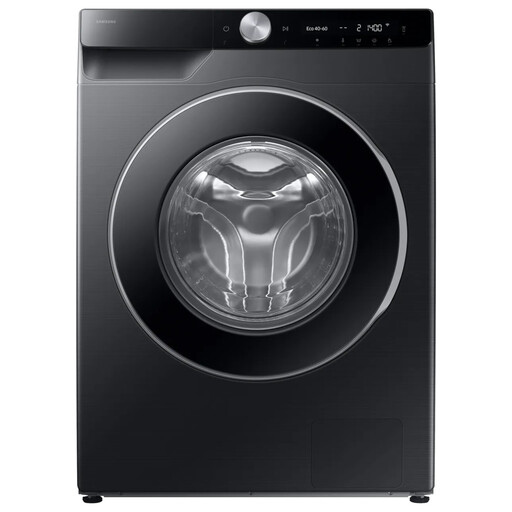
Samsung Series 6 WW11DG6B25LBU1, 11 kg, black
Consider the 11 kg capacity if your usual laundry loads call for it and the machine fits the intended space.
The product name specifies a 1400 rpm spin. Check the cotton programme and controls, and confirm the permitted load and conditions before relying on a short-cycle claim.
View on Joybuy
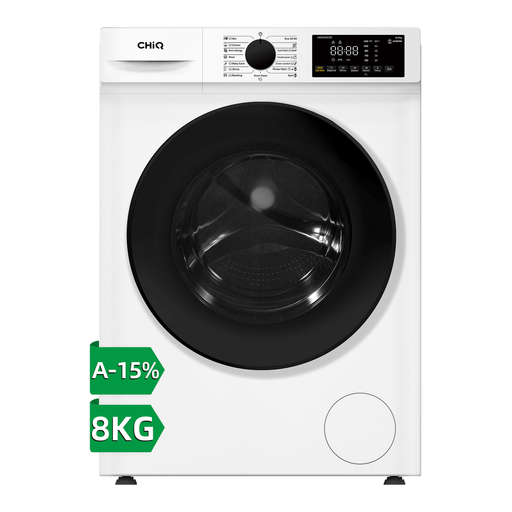 No image available
CHiQ JKW85883W, 8 kg, white
This 8 kg freestanding model is worth comparing if its capacity and dimensions suit your installation space.
The product name specifies a 1400 spin. Confirm the cotton programme, temperature and spin controls, and any rapid-cycle conditions before choosing it for T-shirts.
View on Joybuy
Common questions
Should I use the cotton programme for every cotton T-shirt?
Not automatically: choose the cycle and settings according to the individual garment’s care label. Which? notes that cotton programmes are often hotter than synthetics programmes, so check for any lower-temperature or spin requirements first.
Does the stated drum capacity apply to every wash?
No; the permitted load can differ by programme. Which? advises checking the machine’s specifications, so look up the limits for the cotton and quick cycles you plan to use.
How should I use the energy label when comparing machines?
Compare the label and product information for the exact models you are considering, then check programme suitability and dimensions separately. An energy class alone does not tell you whether a machine has the settings your T-shirts need.
Can I install a washing machine myself?
Self-installation may be an option if you can move the appliance safely and follow its instructions for the water connection, waste hose and levelling. Which? cautions that the size, weight and bulk make installation unsuitable for some people; seek appropriate help if you are unsure.
How can I compare spin noise before buying?
Compare each model’s stated spin-noise figure in dB rather than judging noise from spin speed alone. Check that figure alongside the machine’s dimensions if it will run near a living area.


