Hosts with one holiday let and occasional loads
You need a washer that fits the available space and handles napkins between stays without choosing equipment intended for a much heavier laundry schedule.


For one holiday let with intermittent napkin loads, a domestic front-loader is a reasonable choice if its programmes, dimensions and terms of use fit the workload. Consider a light-commercial or professional machine when repeated changeovers make laundry throughput and service arrangements more important; a larger drum alone does not settle that decision. Keep clean and used napkins separate, and follow fabric-care instructions when choosing a wash temperature.
You need a washer that fits the available space and handles napkins between stays without choosing equipment intended for a much heavier laundry schedule.
Several loads may need washing, drying and ironing before guests arrive. Programme times and the whole laundry workflow matter alongside drum capacity.
Repeated use makes duty requirements, servicing and a consistent linen-handling process important checks. Electrolux Professional and Miele Professional position relevant ranges for business laundry and intensive use, respectively.
Start with the busiest changeover day, then assess the wash, drying and ironing workflow before deciding which class of machine to consider.
Consider when: Napkin loads are intermittent and a household machine fits the intended programmes and installation space.
Check: Rated capacity does not apply equally to every programme; confirm that holiday-let use is covered by the applicable service and warranty terms.
Consider when: Frequent changeovers mean several loads on busy days and an interruption would affect cleaning.
Check: Electrolux Professional positions myPRO for business laundry, but installation and servicing arrangements depend on the chosen model.
Consider when: Multiple properties or frequent linen processing call for an intensive-use machine and a controlled laundry workflow.
Check: A professional programme does not replace fabric-care instructions or the separation of clean and used linen.
| Concern | What to check | Who this matters to |
|---|---|---|
| Turnaround | Check the load limit and duration of the programme you would use for napkins, then account for drying and ironing. | If napkins must be ready before the next arrival, I need the entire laundry process to fit the changeover window. Around 33% of consumers put turnaround first. |
| Repeated use and servicing | Compare busiest-day load frequency, permitted use under the warranty and access to servicing. | When a stopped washer would interrupt several changeovers, I need equipment and service arrangements suited to repeated use; around 27% of consumers make this their primary concern. |
| Fabric care and linen handling | Read napkin care labels and keep clean and used items separate. For potentially contaminated linen, follow the fabric-specific temperature advice from the Health and Safety Executive. | I need a process that treats ordinary food stains appropriately without assuming every fabric tolerates a hot wash. This is the main concern for around 20% of consumers. |
| Space and energy information | Measure the installation space and door clearance; compare model-specific energy labels and product information. | If the utility area is tight, I need a machine that can be installed there and energy information I can compare. Around 20% of consumers prioritise this fit. |
A rated capacity does not establish the permitted load for every programme or fabric. The Bosch WGG24400GB, for instance, has a 9 kg rated capacity, but that is not a promise about every napkin wash.
Check the selected programme’s loading instructions before planning how many napkins can go into one cycle.
Napkins may still need drying and ironing after the wash. A short cycle will not, by itself, resolve a bottleneck elsewhere in the changeover.
Count loads on the busiest day and allow time for each stage of the linen workflow.
If the washer cannot support that schedule, extra laundry runs or an alternative laundering arrangement may be needed.
Heat-sensitive napkins may not tolerate a high-temperature programme. For potentially contaminated non-clinical workplace linen, the Health and Safety Executive advises the highest possible temperature recommended for that particular fabric.
Follow care labels and assess contamination separately from ordinary food staining before choosing the process.
Washing does not help maintain a clean supply if used items are mixed back into it. UK Health Security Agency guidance for adult social care advises keeping clean and used linen separate; it is not a holiday-let-specific legal rule.
Use separate containers and storage areas, and keep clean napkins dry and off the floor.
The WGG24400GB provides a domestic-machine reference point for intermittent loads: Bosch GB lists a 9 kg rated capacity and dimensions of 845 × 598 × 588 mm.
The myPRO range is positioned for business laundry, with myPRO XL addressing higher-demand operations.
The PWM 508 is an 8 kg professional washer that Miele describes as tested for intensive use.
These domestic washing machines are options to assess for intermittent holiday-let napkin loads. Check the intended programme and the terms of use before relying on one for repeated changeovers; they are not substitutes for the light-commercial or professional routes discussed above.
 No image available
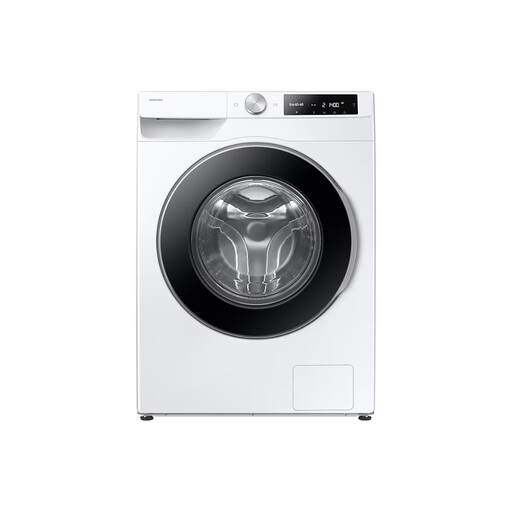
Consider this household model for intermittent loads if its wash programmes suit the napkins and changeover schedule.
The product name specifies 9 kg, 1,400 rpm and an A energy rating. Check the chosen cycle’s load limit and the terms covering holiday-let use.
 No image available
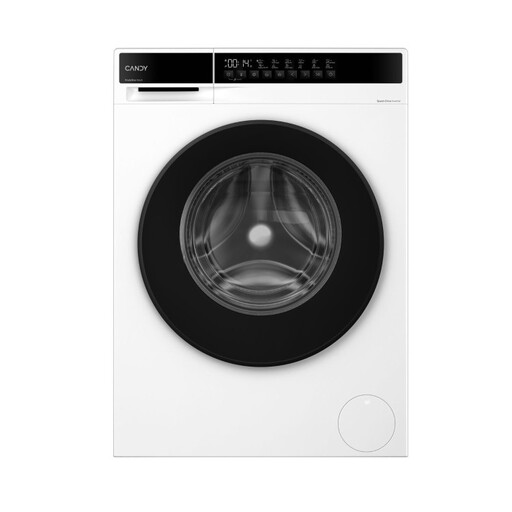
This is a domestic option to assess for occasional batches, subject to a suitable programme for the napkin fabric.
The product name specifies 9 kg, 1,400 rpm spin and an A energy rating. Check programme instructions before planning a time-sensitive load.
 No image available
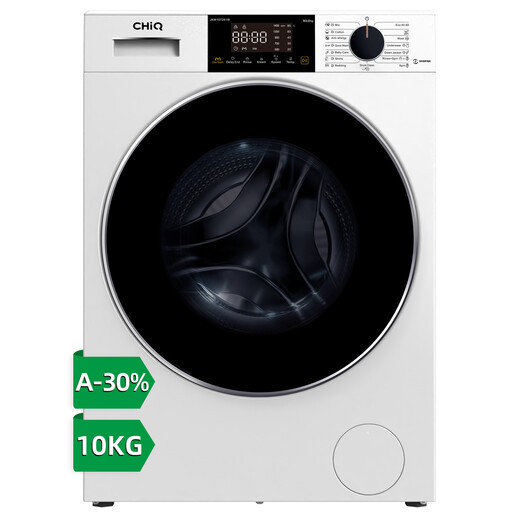
Consider the stated 10 kg capacity if intermittent batches call for a larger domestic-machine option.
The product name also specifies 1,400 rpm. Check the model-specific energy information and the load and fabric limits of any short programme you intend to use.
 No image available
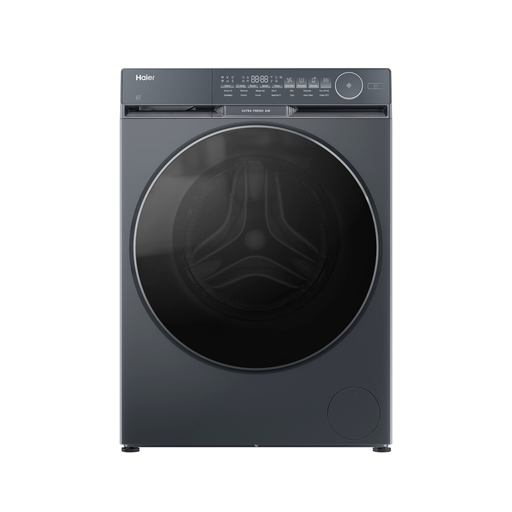
This domestic model may fit intermittent batches if its dimensions and intended wash programme suit the property and napkins.
The product name specifies 10 kg, 1,400 rpm and an A energy rating. Check programme duration, fabric instructions and the terms for holiday-let use.
 No image available
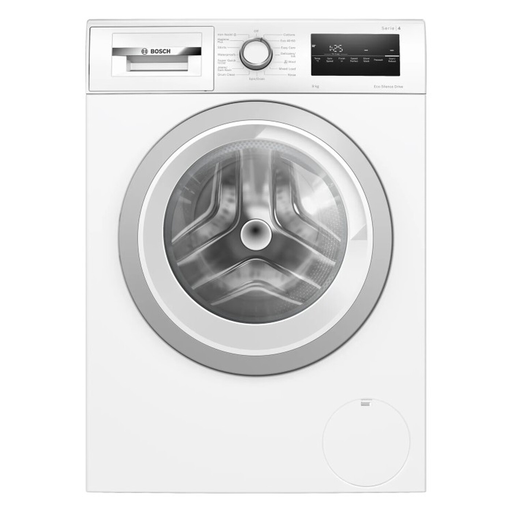
Consider this household model for occasional loads once its intended programme fits the changeover schedule.
The product name specifies 9 kg, 1,400 rpm and an A energy rating. This is a different model from the Bosch WGG24400GB discussed above; check its own programme instructions and terms of use.
A domestic front-loader can be a reasonable choice for intermittent loads if its programme capacity, cycle time and dimensions fit your operation. Confirm the service and warranty terms before relying on it for repeated business use.
Consider one when frequent changeovers create several loads a day or a machine stoppage would disrupt cleaning. Electrolux Professional positions its myPRO range for business laundry; compare the particular model’s programmes, installation requirements and service arrangements with your busiest-day workload.
No fixed temperature suits every fabric. For potentially contaminated non-clinical workplace linen, the Health and Safety Executive advises washing at the highest possible temperature recommended for that fabric; assess the contamination risk and keep used items separate from clean stock.
Compare the model-specific energy label and product information sheet, not just the letter rating. UK guidance from the Department for Energy Security and Net Zero and the Office for Product Safety and Standards addresses energy information for products within its scope; an energy class alone does not describe your particular laundry schedule.