Choose around the largest sheet load you normally need to wash between stays, not the largest drum you can find. A 9 kg front-loader is a starting point for planned, moderate loads; consider a 10 kg or larger model if combining linen is routine, but check the dry load, bulky-item guidance, programme times and installation space before deciding.
Who needs to consider what?
The right checks depend on whether changeover time, repeated running costs or a shared laundry routine creates the main difficulty.
Frequent-turnover holiday-let host
When bedding must be ready between stays, check whether a normal dry sheet load fits the machine and how long the programme you intend to use takes. A rapid-cycle headline alone does not describe a full bedding wash.
Running-cost-conscious property operator
For repeated loads, compare the product-specific energy and water information as well as capacity. Energy Saving Trust explains that the A–G rating letter should be read alongside the label’s other information; a larger machine with the same letter need not use the same amount of energy.
Multi-person laundry manager
When hosts and cleaners share the task, straightforward cycle selection, detergent handling and maintenance instructions can matter. Check any auto-dosing or connected functions on the exact model rather than assuming they are standard across a brand.
What matters when choosing?
Start with the sheet loads and changeover window you actually have, then compare running information and the effort of operating the machine. A capacity rating is a starting point: the care labels and model manual still determine suitable loads and programmes.
| Concern |
What to check |
Who this matters to |
| Sheet-load capacity |
Compare the dry weight and bulk of a normal load with the rated capacity and the manual’s guidance for bulky items. |
If I regularly wash several sheet sets together, I need them to fit without crowding the drum. Around 33% of consumers put usable load capacity first. |
| Changeover time |
Check the duration and load limit of the cotton or Eco programme you would use, not just a named quick cycle. |
With a short gap between guests, I need enough time to finish an appropriate wash and deal with the linen afterwards. For around 27% of consumers, turnaround is the primary concern. |
| Electricity and water use |
Compare the current A–G energy label and product-specific energy and water figures at a capacity that suits normal loads. |
When sheets are washed repeatedly, I want to understand the resources each suitable machine uses. Around 20% of consumers prioritise running costs. |
| Shared operation |
Check the controls, detergent-dosing requirements and maintenance instructions for the exact model. |
If different people handle the laundry, I need a routine they can follow consistently. Operational simplicity comes first for around 20% of consumers. |
Mistakes to avoid
-
Choosing by the kilogram rating alone
A rated capacity does not establish that a bulky combination of sheets, towels and protectors is an appropriate load. Energy Saving Trust also cautions against assuming that larger appliances use the same amount of energy simply because they share a rating letter.
Weigh and assess your largest normal dry load, consult the model manual for bulky items, and check the appliance dimensions before ordering.
-
Planning a changeover around a quick-wash headline
Rapid programmes can have their own load limits. LG, for example, specifies a 5 kg IEC test load for the 39-minute TurboWash 360 claim on its F4X9009TBC; that figure is not a full cotton-sheet-load duration.
Check the named programme, permitted load and cotton or Eco cycle time for the exact machine you intend to use.
-
Treating installation like a minor appliance purchase
A washing machine needs a suitable electrical connection and enough space for installation and access. Electrical Safety First warns that extension leads can overload when used with large appliances.
Arrange competent installation, follow the appliance instructions and Electrical Safety First’s plug-and-socket advice, and register the machine for safety-recall contact.
-
Expecting smart features to manage the laundry unaided
Auto-dosing and connected functions are model-specific. They do not remove the need to select a suitable programme, check detergent requirements and carry out maintenance.
If several people use the machine, confirm refill instructions, app requirements and cleaning steps before making those features part of the routine.
Relevant brands to consider
These examples show features worth checking on particular product lines, not features shared by every machine from each brand.
Bosch
Bosch’s WGG24400GB is a reference point for a conventional 9 kg front-loader suited to considering planned sheet loads.
- Bosch GB specifies a 9.0 kg rated Eco-programme capacity, 1400 rpm maximum spin and A energy class for the WGG24400GB.
- Bosch GB lists no AquaStop for that model; check water-protection features on the exact machine under consideration.
Miele
Miele offers UK front-load models in both the 9 kg and 10 kg capacity tiers for hosts comparing their usual linen loads.
- Miele UK specifies its 9 kg WED385 at 1400 rpm and states a 49-minute QuickPowerWash programme.
- The named rapid programme should not be treated as the duration of every full cotton-sheet load; check its conditions and the programme you will run.
LG
LG has model-specific options for operators interested in detergent dosing or a documented rapid programme.
- LG UK lists automatic detergent and softener dispensing and ThinQ connectivity for the 9 kg F4Y509WWLA1.
- LG’s 39-minute TurboWash 360 claim for the separate F4X9009TBC is based on a 5 kg IEC load, not a guaranteed full-load sheet-wash time.
Joybuy washing machines for sheet laundry
These 9 kg to 11 kg choices cover planned sheet loads and larger-capacity changeovers. Match each machine to the loads you intend to wash, then check its programme instructions and installation space; capacity alone does not establish that a combined bedding load will fit.
 No image available
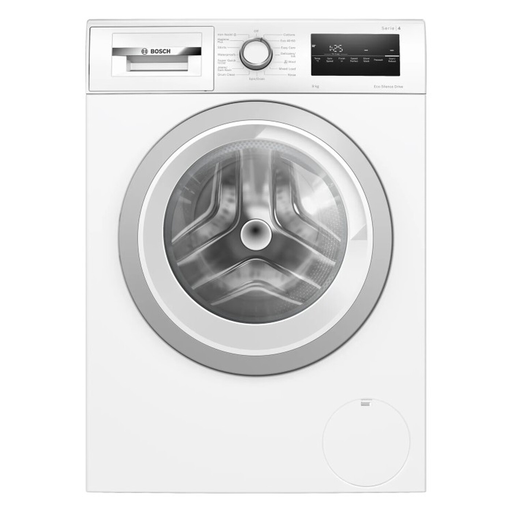
Bosch WAN28259GB Series 4, 9 kg, 1400 rpm
A capacity to consider when sheet sets are usually washed in planned, moderate loads rather than combined into a larger bundle.
The product name specifies a 9 kg capacity, 1400 rpm and an A rating. Check the cotton or Eco programme’s load limit and duration for your changeover routine.
View on Joybuy
 No image available
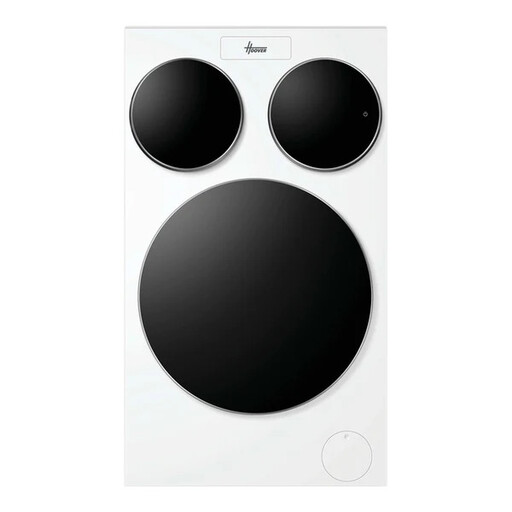
Hoover HMQD 410CBL9-80 MultiWash, 10 kg + 1 kg + 1 kg
The 10 kg main-drum capacity is worth considering if larger linen loads are routine; the two additional 1 kg drums do not increase the main drum’s load limit.
Check the space carefully: the stated height is 107 cm, and the product information says it will not fit beneath a standard kitchen worktop. Its 14-minute cycle is described for small loads, not a full sheet load.
View on Joybuy
 No image available
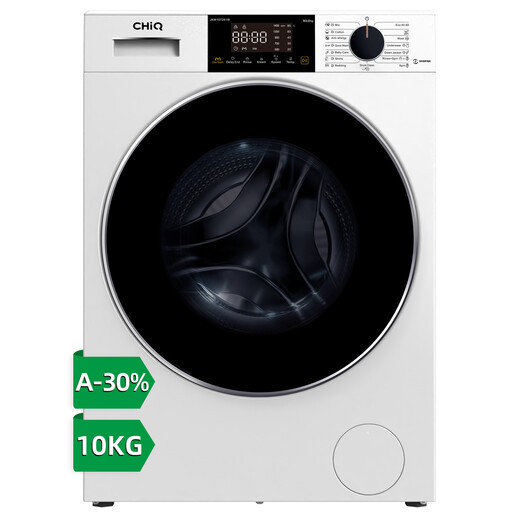
CHiQ JKW107281W, 10 kg, 1400 rpm
Consider this capacity when your normal changeover involves larger sheet loads, while checking the manual before combining bulky items.
The product name specifies 10 kg and 1400 rpm. Check the current UK energy label rather than using the A-30% wording alone to compare running use, and confirm the load limit behind the advertised quick wash.
View on Joybuy
 No image available
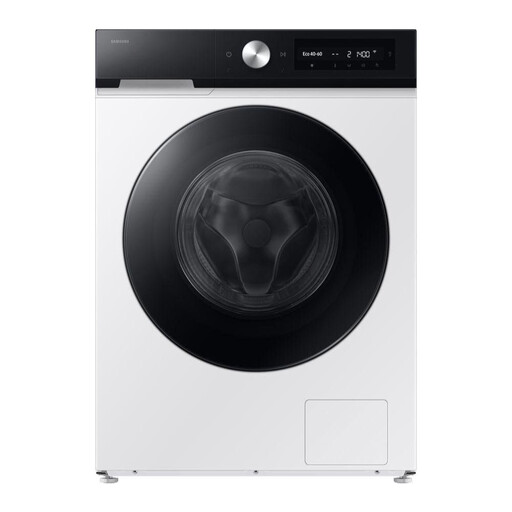
Samsung Series 7 WW11DB7B94GEU1, 11 kg, 1400 rpm
The stated 11 kg capacity makes this a model to assess for frequent larger linen loads, provided the intended sheets and protectors meet its programme guidance.
The product name also specifies 1400 rpm and an A rating. Before planning around its advertised Super Speed cycle, check that cycle’s load conditions and the machine’s cotton or bedding programme instructions.
View on Joybuy
 No image available
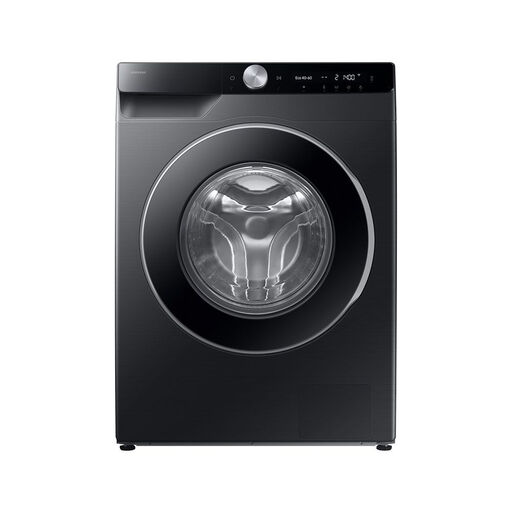
Samsung WW90DG6U25LBU1 Series 6, 9 kg, 1400 rpm
This 9 kg model may suit planned sheet loads where a shorter programme is also of interest.
The listed 39-minute Super Speed cycle applies to a 5 kg load, so check the duration and suitability of the programme you would use for a full sheet load. The product name specifies 1400 rpm and an A rating.
View on Joybuy
Frequently asked questions
Is a 9 kg machine automatically big enough for holiday-let sheets?
No: a 9 kg rating does not guarantee that every combination of sheets, towels and mattress protectors is an appropriate load. Check the dry weight and bulk of your usual bundle against the exact machine’s manual and the items’ care labels.
Can I use the fastest programme for every changeover?
Only if that programme permits the load and fabrics you intend to wash. For instance, LG specifies a 5 kg IEC load for its 39-minute TurboWash 360 claim on the F4X9009TBC; compare the conditions of any rapid cycle with the cotton or Eco programme you would actually run.
How do I compare machines for repeated running use?
Compare the current UK A–G energy label and its product-specific information for machines of suitable capacity. Energy Saving Trust notes that larger appliances can use more energy despite sharing the same rating letter, so the letter alone is not enough.
What should I check before installing a machine in an England holiday let?
Check the electrical-safety guidance applicable to the property and arrange a suitable installation. GOV.UK’s guidance for self-catering holiday homes in England directs operators to relevant electrical-safety guidance; Electrical Safety First advises on a suitable UK plug and fuse and warns against using extension leads with washing machines. For a property elsewhere in the UK, check the requirements for its nation and local authority.
What maintenance belongs in a shared laundry routine?
Follow the exact machine’s manual and give everyone who uses it clear instructions for routine checks. Electrical Safety First advises regular filter cleaning and keeping the door seal clear of items that could damage it.


