What matters when choosing?
Start with a typical changeover load, then check fabric-care settings and physical fit. Compare running information once you know which machines can handle those practical requirements.
| Concern |
What to check |
Who this matters to |
| Batch capacity |
Weigh and assess the bulk of a usual tablecloth load; compare it with rated capacity without planning to pack the drum tightly. |
When several cloths must be ready for the next guests, avoiding an extra wash is my main concern. Around 33% of consumers put batch capacity first. |
| Stains and temperature |
Confirm cotton-programme temperatures against each cloth’s care label and check for a prewash or stain option. |
Food and drink marks need attention before I can put a cloth back on the table. For around 27% of consumers, stain handling is the primary need. |
| Fit and disturbance |
Check installation type, dimensions, door and hose clearances, and declared spin-noise information. |
If the laundry area is built into the kitchen or close to guest rooms, the machine has to fit and its operation needs planning. Roughly 20% of consumers prioritise fit or disturbance. |
| Running demands |
Compare A–G energy-label information for washing machines and choose a capacity that suits regular loads. |
With uneven bookings, I want to avoid repeatedly running lightly filled cycles while keeping clean linen ready. Running demands come first for around 20% of consumers. |
Brands worth considering
These examples show features and installation formats to compare, not a conclusion about every machine made by each brand.
Bosch
Bosch offers examples for both freestanding and built-in installations.
- Bosch specifies the freestanding WGG24400GB at 9kg with an A energy rating and Speed Perfect.
- Its cited WIW28302GB built-in model is 8kg. Check the capacity and dimensions of the particular model rather than assuming the two formats are interchangeable.
Haier
Haier lists 10kg examples in both freestanding and integrated formats.
- Haier specifies its integrated HWB100-B14858U1 model at 10kg and 1400rpm, showing that a built-in installation need not mean an 8kg drum.
- Check the exact model’s installation requirements and wash options. Haier’s stain and freshness descriptions for other models are brand claims, not a promise of results on your tablecloths.
Miele
Selected Miele W1 machines offer options such as QuickPowerWash or steam-related settings.
- Miele lists a 9kg, 1400rpm W1 example with QuickPowerWash and steam-related features.
- Features vary by model. A cotton programme, suitable temperature settings and workable capacity matter more to this task than assuming an additional function is necessary.
LG
LG has 9kg examples for buyers interested in automatic detergent dosing or a reduced-depth format.
- LG describes EZDispense automatic dosing on its F4Y509WWLA1 model.
- Check the dimensions and features of the exact model. Dosing or steam-related claims do not establish how a particular marked tablecloth will wash.
Washing machines on Joybuy
These machines offer 9kg or 10kg main-load options for comparing against your usual tablecloth batches; one has a multi-drum format. Check cotton settings and installation details for the exact model before choosing.
 No image available
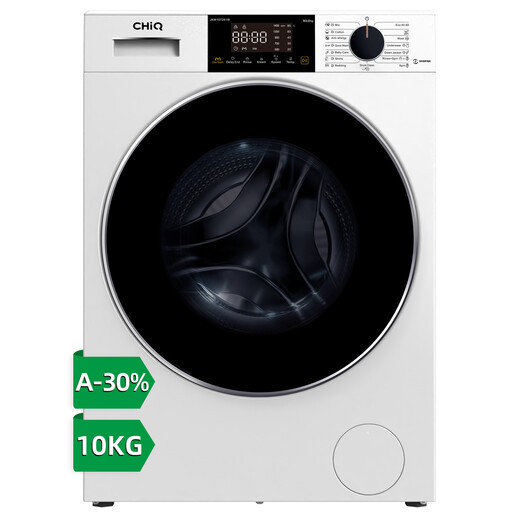
CHiQ JKW107281W 10kg steam washing machine
Consider this model if a 10kg drum matches your changeover batches. Its title lists a 1400rpm spin; confirm the cotton-programme temperatures, energy-label details and installation clearances before buying.
View on Joybuy
 No image available
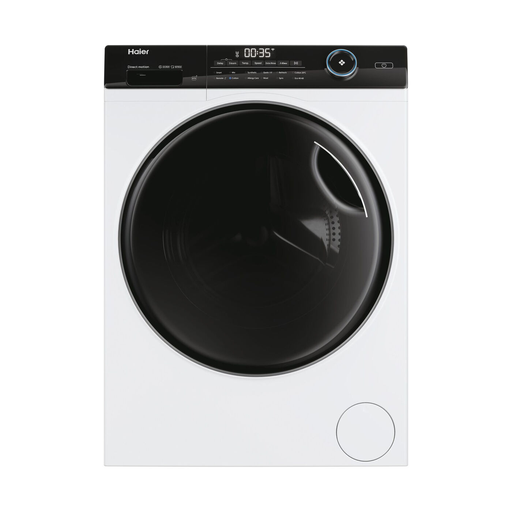
Haier HW100-B14959U1UK I-Pro Series 5 10kg washing machine
This freestanding option is worth considering when your usual linen load calls for a 10kg drum. The title lists a 1400rpm spin and an A energy rating; confirm its cotton settings and dimensions against the cloths and available space.
View on Joybuy
 No image available
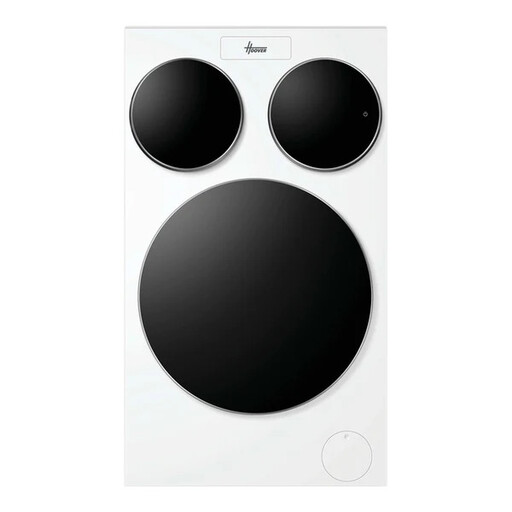
Hoover HMQD 410CBL9-80 MultiWash 10kg + 1kg + 1kg
The multi-drum format may interest hosts who separate different laundry loads, provided it suits the property’s installation space. The title lists a 1400rpm spin; check the model’s height, cotton-temperature settings and operating instructions before ordering.
View on Joybuy
 No image available
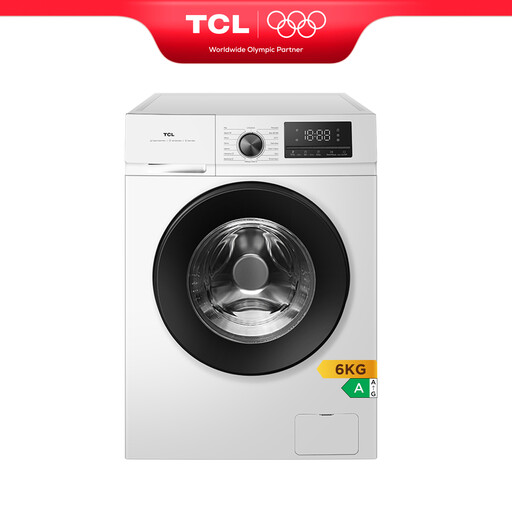
TCL FF2410WA2 10kg freestanding washing machine
This is a freestanding 10kg option to compare with larger tablecloth batches. Its title lists a 1400rpm spin and an A energy rating; check the exact dimensions, cotton programme and selectable temperatures before deciding.
View on Joybuy
 No image available
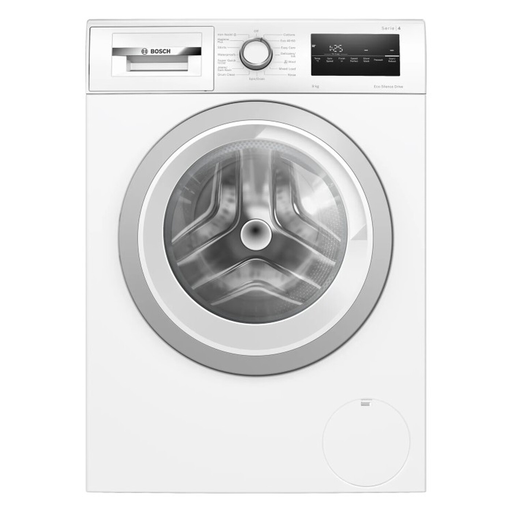
Bosch WAN28259GB Series 4 9kg washing machine
A 9kg option may suit a smaller regular batch than the 10kg models shown here; judge that against the actual number and bulk of your cloths. The title lists a 1400rpm spin and an A energy rating. Confirm cotton settings, installation type and dimensions for this model.
View on Joybuy
Frequently asked questions
What drum capacity do I need for holiday-let tablecloths?
Choose capacity from the size, weight and number of cloths in a realistic changeover load; there is no single kg threshold for every property. Leave enough room for the load to move rather than treating the rated capacity as a target to exceed. Bosch and Haier list 9kg and 10kg examples, but the right size depends on your batches.
Should I wash cotton tablecloths at 40°C or 60°C?
Follow each tablecloth’s care label first. Which? says 40°C should handle most stains, while serious soiling may call for 60°C; use the higher setting only when the fabric-care instructions permit it, and consider pre-treating difficult marks.
Is a 1400rpm spin useful between guest stays?
A higher spin setting can help remove water before drying, provided the tablecloth’s care instructions allow it. If the machine will run near occupied rooms, compare declared spin-noise information too: rpm alone does not tell you how disruptive an installation will be.
Does England’s holiday-let electrical guidance apply across the UK?
No. GOV.UK’s guidance for self-catering holiday homes in England says operators must follow HSE electrical-safety guidance. For a property in Scotland, Wales or Northern Ireland, check the applicable nation-specific requirements with the relevant authority rather than extending that England-specific guidance to the whole UK.


