Shared-house laundry coordinators
Students choosing one machine for several residents who need room for clothes, pillowcases and occasional bedding without creating a queue for the drum.


For regular pillowcase and shared laundry, start with a machine that fits the available space and connections, and agree any installation changes with the landlord or property manager. 7–9 kg machines sit in the range for homes of three to four people, making an 8 kg model worth comparing for a similarly sized house. In a tight kitchen or a house with limited laundry slots, depth and programme limits may matter more than choosing a larger drum.
Students choosing one machine for several residents who need room for clothes, pillowcases and occasional bedding without creating a queue for the drum.
Students who need to check whether a machine will fit around existing pipes, sockets and cabinetry, with enough room to open its door.
Housemates comparing programme limits, spin noise and energy-label information because they share both access to the machine and utility costs.
Check the installation space and agree any changes to a rented kitchen before choosing a drum size. Then compare the programmes and energy information that matter to the way the house shares laundry.
| Concern | What to check | Who this matters to |
|---|---|---|
| Fit and installation | Measure the recess, door path and space around pipes and plugs; confirm any installation changes with the landlord or property manager. Allow around 25 mm at each side and roughly 50–150 mm behind a freestanding machine. | If the kitchen recess is tight, I need to know the machine can be installed before comparing its cycles. Around 33% of consumers put fit and installation first. |
| Shared-load capacity | Compare rated dry-laundry capacity with the number of regular users and typical combined loads. 7–9 kg machines are worth comparing for homes of three to four people; follow each programme’s load limit. | When several housemates share one drum, I want enough capacity for routine clothes and linen without relying on lots of small washes. For around 27% of consumers, capacity is the primary concern. |
| Access and disturbance | Check the named quick programme’s permitted load and fabric conditions, alongside comparable spin-noise figures if the machine is near living or sleeping areas. | If laundry slots are short or the machine runs near a bedroom, I need to plan cycles without assuming a quick wash takes a full load. Around 20% of consumers prioritise access and disturbance. |
| Energy and laundry handling | Compare the exact model’s UK energy label and product information, then choose a programme that suits the pillowcase care label. Arrange somewhere to dry the load promptly. | With shared utility bills, I want energy information I can compare and a way to avoid leaving clean pillowcases damp. Running costs and laundry handling come first for around 20% of consumers. |
An 8 kg drum is of little use if the cabinet obstructs pipes, plugs or the door opening.
Measure the actual recess and compare it with the exact model dimensions and required clearances before ordering.
Beko lists the BM3WT3841 at 54.6 cm deep, while Hotpoint lists the NSWM 846 BS UK at 60.5 cm. That difference matters in a narrow recess.
Compare the complete model numbers and published dimensions, including the space needed behind the machine.
Electrical Safety First warns that a washing machine can overload an extension lead. Alterations in a rented home also need to suit the property and tenancy arrangement.
Plan for an appropriate fixed socket, follow the manufacturer’s installation instructions and agree proposed changes with the landlord or property manager.
Leaving clean laundry damp in the drum delays drying. NHS guidance for patient laundry specifically advises against leaving items damp for long periods.
Arrange drying space before starting the cycle and remove the pillowcases when it finishes.
The specifications below concern the named models, as published by Beko, Hotpoint and Bosch; they do not describe every machine from those brands.
The BM3WT3841 is an 8 kg freestanding option to examine when kitchen depth and shared access both matter.
The NSWM 846 BS UK is an 8 kg model to examine where access to a stated full-load programme is important.
The Series 2 WGE03408GB provides another specified 8 kg model for comparing capacity and fit.
These 8 kg machines are options to consider for a student house washing pillowcases alongside regular laundry. Check the installation type, overall fit and permitted programme load for the model you choose.
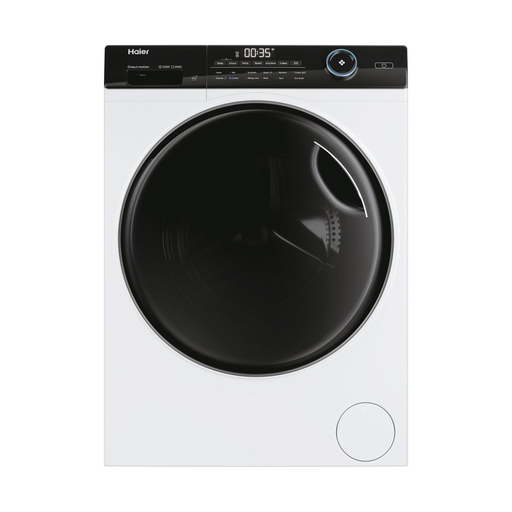 No image available
Consider this freestanding model for shared loads that include clothes and pillowcases.
Its listed configuration is 8 kg, 1400 rpm, A rated and white. Check the intended programme’s load limit and allow for pipes, plugs and door clearance when measuring the space.
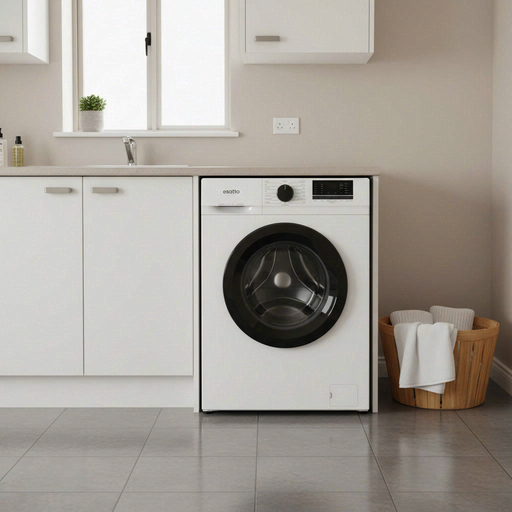 No image available
Consider this model where several housemates will share routine laundry loads.
Its listed configuration is 8 kg, 1400 rpm, A rated and white. If cycle timing or disturbance matters, compare the permitted programme loads and spin-noise information before choosing.
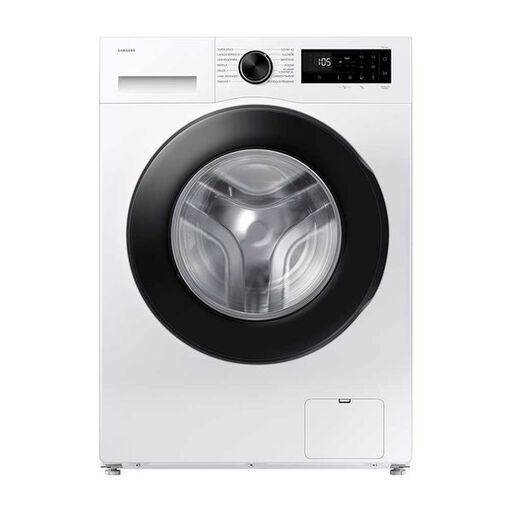 No image available
Consider this 8 kg model if shared-load capacity and a tight installation space are both part of the decision.
It is listed as A rated and white. Confirm the overall depth including the door, as well as the clearance behind the machine; check programme load limits before washing pillowcases with other items.
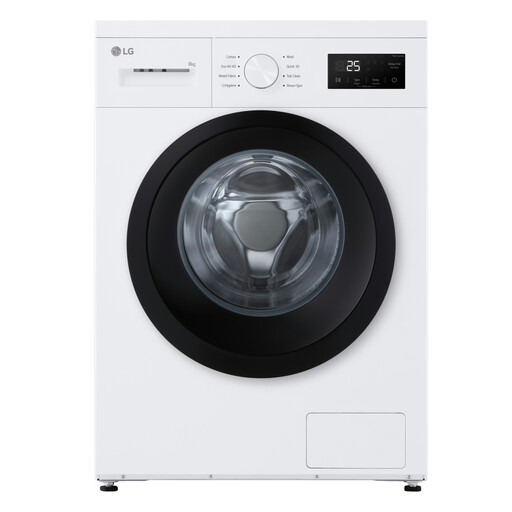 No image available
Consider this freestanding model when a shared house needs 8 kg capacity but has limited kitchen depth.
It is listed at 1400 rpm, A rated and white. Confirm its overall depth including the door, then measure the pipe, plug and door-opening clearance before ordering.
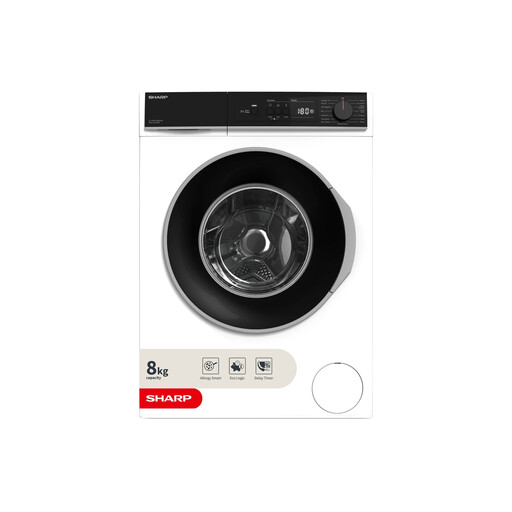 No image available
Consider this model for regular shared loads when housemates also need to plan shorter laundry slots.
Its listed configuration is 8 kg, 1400 rpm, A rated and white. Check which programme duration and load limit apply to the intended wash, and measure the installation space before ordering.
Pillowcases alone do not call for a large drum, but an 8 kg machine is worth comparing when three to four people also share clothes and other linen loads. 7–9 kg suits homes of that size; wash frequency, available space and each programme’s load limit still matter.
No single temperature suits every ordinary pillowcase: follow its textile care label and choose a compatible programme. NHS advice about washing at 60°C concerns patient laundry in a specific care context, rather than every student-house wash; seek relevant healthcare advice where infection is a concern.
Measure the recess, the route into it and the space needed to open the machine door, then compare those measurements with the exact model dimensions. Allow around 25 mm at either side and roughly 50–150 mm behind a freestanding machine for ventilation, pipes and plugs.
Plan for an appropriate fixed socket rather than an extension lead. Electrical Safety First warns that a washing machine can overload an extension lead, particularly alongside other large appliances; follow the manufacturer’s installation instructions and arrange competent fitting where needed.
For rentals covered by the rules in England, GOV.UK guidance says landlords must have the property’s electrical installations inspected and tested by a qualified person at least every five years. That guidance lists student halls of residence among excluded tenancies; check the applicable arrangement rather than assuming the same rule covers halls or rentals in Scotland, Wales or Northern Ireland.