What to check before buying
Decide where the machine will go, then assess fabric care and the size of the loads you actually wash; compare energy information for the formats that fit.
| Concern |
What to check |
Who this matters to |
| Food stains and fabric care |
Check care-label-compatible programmes and temperatures. Where available, compare independent cleaning and rinsing results for the exact model. |
I want to wash food-marked napkins without choosing a setting that conflicts with their care labels. Around 37% of consumers put cleaning and fabric care first. |
| Combined load size |
Compare rated capacity with your usual napkin, table-linen and household loads; check programme-specific load limits too. |
After hosting, I need room for the laundry I normally wash together, rather than just one meal’s napkins. For around 27% of consumers, load size is the primary concern. |
| Space and installation |
Check the exact dimensions, connection space and whether a fitted furniture door requires an integrated model. |
My kitchen layout determines which appliance I can install before I can weigh up other features. Space and installation come first for around 18% of consumers. |
| Energy use |
Compare the exact models’ GB energy labels and product information sheets; assess drying separately for washer-dryers. |
If I wash napkins often or plan to machine-dry them, I want to compare the energy information for the cycles I expect to use. Around 18% of consumers make this their primary concern. |
Relevant brands to consider
These brands offer different machine formats and model specifications; compare the particular appliance that fits your space and laundry pattern.
Bosch
Bosch Home UK provides guidance on freestanding and integrated machines, as well as washer-dryers for homes considering a combined appliance.
- Its published ranges provide capacity and installation-format options to compare.
- Check wash and drying capacities separately on a washer-dryer; Bosch gives an example in which the drying load is smaller.
Beko
Beko UK lists both freestanding and integrated washing machines, with model capacities that vary across its range.
- The BM3WT3841 listing gives separate load limits for its Quick and Super Quick programmes, useful when comparing short cycles.
- Programme options and limits are model-specific; a named feature does not establish stain-removal performance.
Miele
Miele UK lists front-loading washing machines with 8 kg and 9 kg options and differing programme features.
- The WWA120 WCS is listed by Miele as an 8 kg, 1400 rpm model with AddLoad and CapDosing.
- Compare dimensions and programme details for the exact model rather than applying one model’s features across the range.
Joybuy washing machine choices
These choices cover freestanding machines for ordinary household loads, an integrated washing machine for a fitted kitchen and an integrated washer-dryer where one appliance needs to handle both washing and drying. Match each model’s capacity and installation format to your own napkin and household-laundry routine.
 No image available
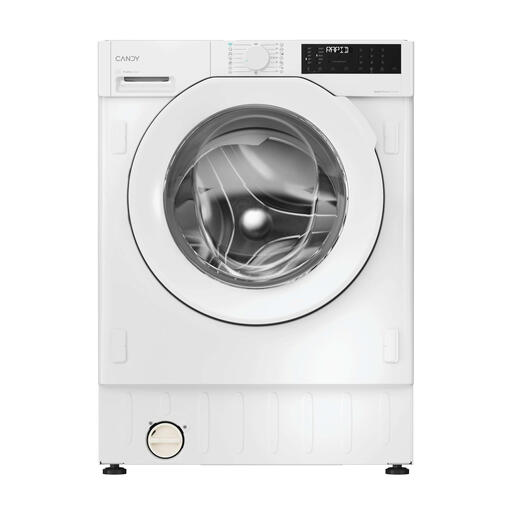
Candy BC4S49M6D8J-80 integrated washing machine, 9 kg
Consider this model if napkins join larger household loads and the machine must fit behind a kitchen furniture door.
The listed variant has a 9 kg capacity, 1400 spin, white finish and A energy rating. Confirm the cabinet and furniture-door fit, then check the available programmes against the napkins’ care labels.
View on Joybuy
 No image available
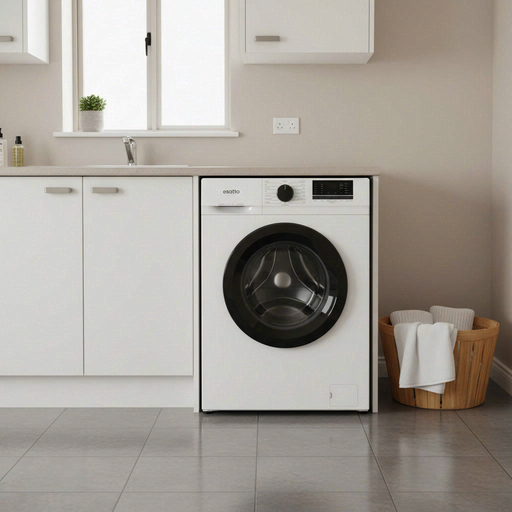
Esatto ESWM814W washing machine, 8 kg
Consider this freestanding option for napkins washed with a routine household load, provided its size fits the intended location.
Its listed variant is 8 kg, 1400 rpm, white and A rated. Check the exact programme temperatures and load limits before choosing settings for the napkins.
View on Joybuy
 No image available
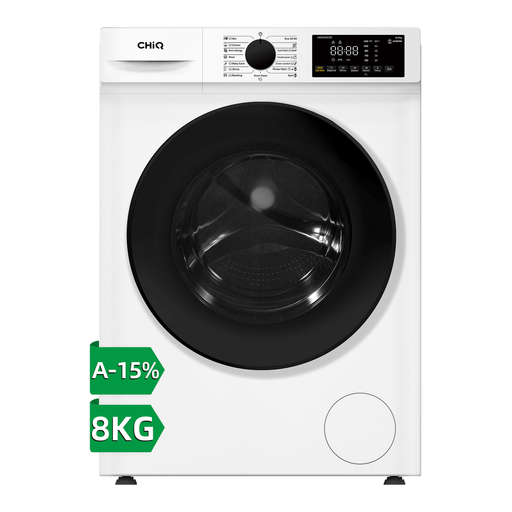
CHiQ JKW85883W freestanding washing machine, 8 kg
This is another freestanding format to assess for combined napkin and household laundry loads.
The listed variant is 8 kg with a 1400 spin, white finish and A energy rating. Measure the available space and check care-label-compatible settings; a programme name alone does not establish cleaning performance.
View on Joybuy
 No image available
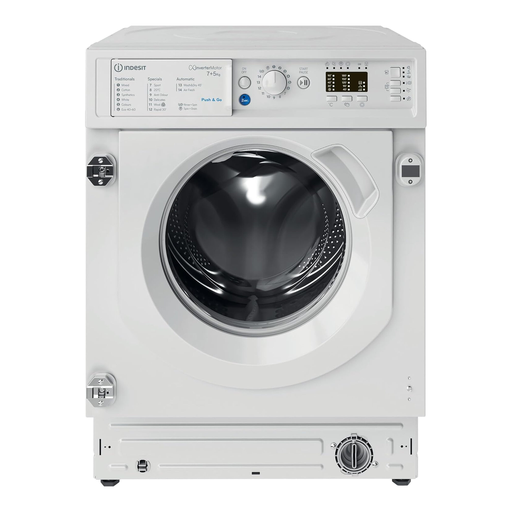
Hotpoint BI WDHG 75148 UK N integrated washer-dryer, 7 kg/5 kg
Consider this model if a fitted kitchen needs one appliance for both washing napkins and drying laundry indoors.
The listed capacities are 7 kg for washing and 5 kg for drying, so a full wash load may exceed the drying limit. Confirm furniture-door compatibility and compare the exact model’s wash and wash-and-dry energy information.
View on Joybuy
 No image available
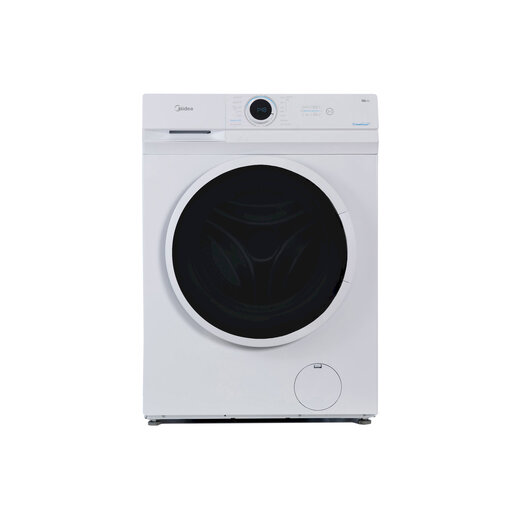
Midea MF100W60 freestanding washing machine, 6 kg
Consider this capacity if your regular combined loads are smaller; check whether it will also accommodate laundry after larger gatherings.
The listed variant is 6 kg, 1000 rpm, white and D rated. Check its dimensions, care-label-compatible programmes and any rapid-cycle load limits before ordering.
View on Joybuy
Questions about washing table napkins
Do reusable table napkins need a dedicated washing machine?
Choose a household machine with settings that suit the napkins’ care labels; the decision does not depend on a napkin-only machine feature. For food stains, look at cleaning and rinsing evidence for the exact model where available rather than relying on a programme name.
Should I choose an 8 kg, 9 kg or 10 kg machine?
Size the machine for your usual combined laundry, including any table linen, rather than for the napkins from one meal. Bosch Home UK suggests 8–9 kg as a rule of thumb for homes of three to four people and 10 kg for larger households, but your laundry volume and available space still determine what fits.
Is a washer-dryer useful for drying napkins indoors?
A washer-dryer can serve a home that needs both functions but has space for only one appliance. Check its drying limit separately: Bosch Home UK gives a 10 kg wash and 6 kg wash-and-dry example, while Which? reports substantially higher energy use for washer-dryer drying than for tumble drying.
What energy information should I compare?
Compare the GB energy label and product information sheet for each exact model that fits your installation. For a washer-dryer, examine washing and wash-and-dry information separately rather than treating its washing rating as a description of drying use.


