Shared-house laundry organisers
If kit, towels and everyday clothes compete for wash time, choose capacity around your usual combined loads. Check that the appliance and its door will fit the available space before moving up to a larger drum.


Choose capacity around the loads your house actually washes, rather than the number of housemates: a 9 kg drum is a starting point for frequent mixed loads, while 10 kg or more is worth considering if bulky kit, towels and bedding regularly build up. Check each garment’s care label before choosing a programme, and weigh drum size against installation depth, cycle duration, spin noise and drying space.
If kit, towels and everyday clothes compete for wash time, choose capacity around your usual combined loads. Check that the appliance and its door will fit the available space before moving up to a larger drum.
Synthetic layers and occasional waterproof outerwear may need different care from ordinary cotton. Check each label’s washing instructions and the programmes documented for the exact machine.
For a machine used often or close to living areas, compare the energy label, programme duration, water use and spin-noise figure alongside capacity.
Choose it when: The house has space to air-dry kit or use a separate dryer, and repeated wash loads are the main priority.
Allow for: Drying needs its own space and time; washing does not automatically continue into a drying cycle.
Choose it when: There is too little room for a separate dryer or extensive air-drying, and smaller drying batches are workable.
Allow for: The wash-and-dry limit can be lower than the wash limit. Bosch lists a model that washes 10 kg but washes and dries 6 kg.
For either setup, start with normal load size, then check fabric care and the exact model’s operating information.
| Concern | What to check | Who this matters to |
|---|---|---|
| Capacity and turnaround | Compare wash capacity in kg with your usual loads, then measure appliance depth, door clearance and the access route. | If kit and towels pile up between shared wash slots, I want to avoid splitting every load. Around 42% of consumers would put wash-day throughput first. |
| Care of washable sports fabrics | Read garment labels for maximum temperature and gentle-cycle instructions; check the exact model’s easy-care, sportswear or outdoor programme guidance. | When my kit includes synthetics or waterproof layers, I need a cycle that follows each item’s instructions. For around 33% of consumers, fabric care comes first. |
| Running costs, timing and noise | Compare the energy label’s energy and water figures, Eco 40–60 duration and spin-noise information for the exact appliance type. | If laundry runs frequently near shared rooms, I need manageable cycle times and disturbance as well as energy use. Those considerations come first for around 25% of consumers. |
Washability, maximum temperature and gentle-cycle requirements vary by garment. Waterproof or treated outerwear may also have restrictions on detergent and softener.
Sort by care label and fabric type. For machine-washable waterproof garments, follow their treatment instructions and check the machine’s documented outdoor-cycle guidance.
A drum’s kg rating does not tell you whether the appliance fits the room. LG’s capacity guidance notes that machine depth can vary with drum size.
Measure the installation space, door clearance and delivery route, then compare them with the exact model’s dimensions.
Bosch lists a washer-dryer with a 10 kg wash capacity but a 6 kg wash-and-dry capacity. A load that fits for washing may be too large for one continuous wash-and-dry cycle.
Plan drying around the lower capacity, particularly when towels or bedding join the kit.
Splitting a load can mean another drying cycle and a longer turnaround.
The A–G rating does not tell you whether a cycle fits the house’s laundry schedule or whether spin noise will be disruptive. Energy Saving Trust advises looking at appliance information beyond the rating.
Compare the complete energy label and product information for the exact model, including Eco 40–60 duration, water use and spin noise.
Relevant when comparing fabric programmes on conventional machines with the separate washing and drying capacities of washer-dryers.
Relevant if machine-washable waterproof or outdoor garments are a regular part of the laundry.
Relevant to buyers comparing documented programmes and dispensing features on specific models.
Relevant when comparing higher-capacity machines against the space available for installation.
These freestanding washing machines offer 9–11 kg stated wash capacities for shared-house loads. Compare their exact programme guidance with the kit you wash; drying arrangements remain a separate decision.
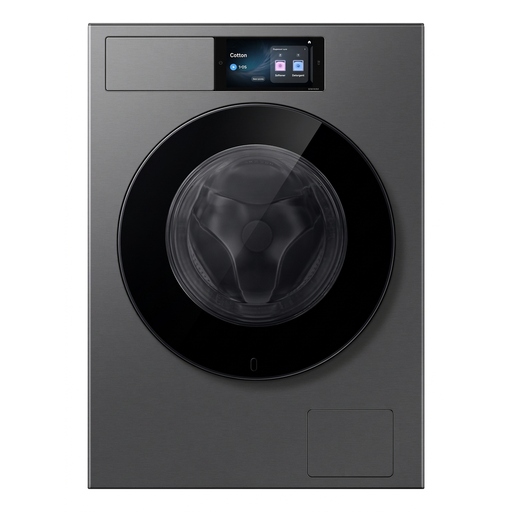 No image available
Consider this model if a 9 kg drum suits your shared loads and you want to check its programmes for washable sports kit.
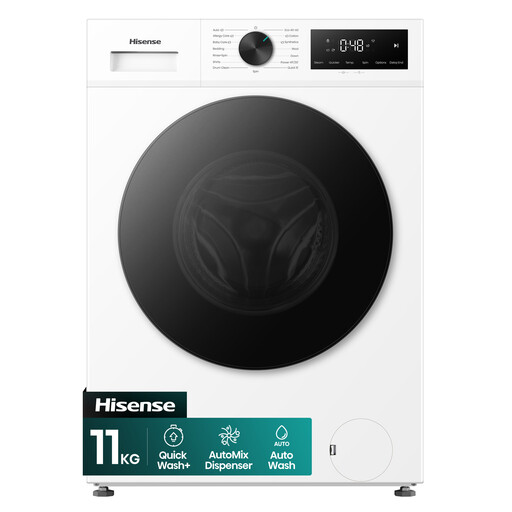 No image available
The 11 kg stated capacity is worth considering if your house regularly combines larger loads of kit, towels and everyday washing.
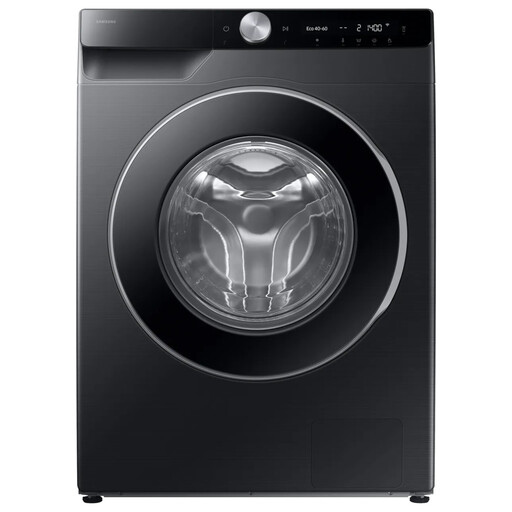 No image available
This 11 kg model is a capacity option for a house whose regular wash loads are large enough to use the drum.
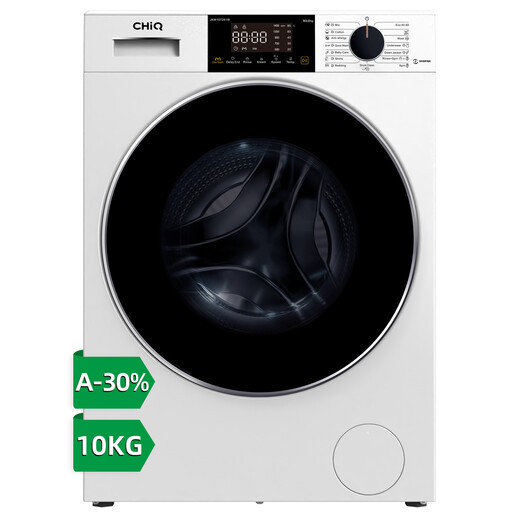 No image available
The stated 10 kg capacity may suit households where kit and other laundry frequently build into larger loads.
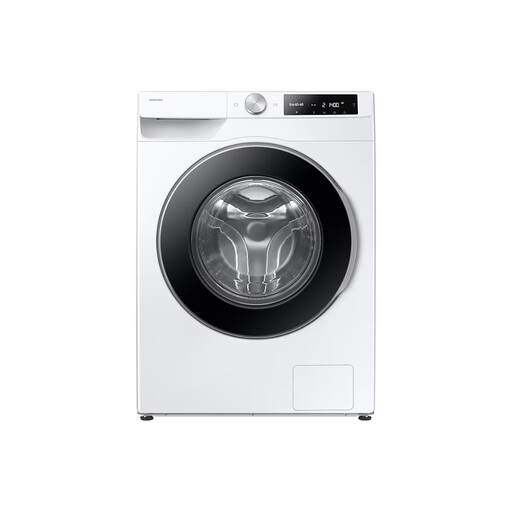 No image available
This 9 kg option is worth comparing if it accommodates your usual shared loads without taking more installation space than you have.
No: check each garment’s care label before adding it to a shared load. Miele’s care-symbol guidance explains that the number in the wash-tub symbol gives the maximum washing temperature, while an underline calls for a gentler cycle; do not machine-wash an item whose label rules it out.
Not necessarily: an appropriate easy-care or gentle cycle may suit machine-washable synthetics when the garment label permits it. Check the exact machine’s programme instructions; an outdoor or outerwear cycle matters most if the house regularly washes relevant technical garments.
A washer-dryer can help when drying space is limited, provided you can work with its separate wash-and-dry capacity. Bosch lists a machine that washes 10 kg but washes and dries 6 kg, so plan for a smaller drying batch rather than assuming a full wash load can continue straight through.