Frequent sports-kit washers
If synthetic or stretch kit is a regular load, look for a suitable sportswear, synthetics or delicate cycle and adjustable settings. The garment care label still determines what you can wash and how.


A freestanding washing machine is a sensible starting point for a utility room with suitable connections and enough installation space. For regular sports-kit washes, check the exact model’s fabric-care programmes and controls against garment labels, then choose a capacity that suits your usual loads. An integrated machine makes sense if compatible cabinetry matters; consider a washer-dryer when drying space is the greater constraint, but check its drying capacity separately.
If synthetic or stretch kit is a regular load, look for a suitable sportswear, synthetics or delicate cycle and adjustable settings. The garment care label still determines what you can wash and how.
Check the usable space around the machine, not just the opening it will occupy. Hoses, plugs, door movement and the available water, waste and electrical connections all affect installation.
If kit is needed again between training sessions, compare your usual load with both the machine’s rated capacity and any short programme’s separate load limit. A quick cycle may not suit every load.
Choose the appliance format for the room first, then check the exact model’s programmes, load limits and installation requirements.
Choose when: The utility room has suitable connections and space, and you want an appliance that is not built into cabinetry.
Allow for: A visible appliance and the model’s required clearance for pipes, plugs and door movement.
Choose when: Concealing the machine behind a compatible cabinet door is a priority.
Allow for: Cabinet and door-hinge compatibility; being integrated does not establish whether a machine has suitable sports-kit settings.
Choose when: Limited drying space makes a combined appliance useful.
Allow for: Separate wash and dry load limits. Samsung lists its WD80HG4U04BEEU at 8 kg for washing and 6 kg for drying, so a full wash load should not be assumed to dry in one batch.
| Concern | What to check | Who this matters to |
|---|---|---|
| Sports-fabric care | Check the exact model’s sportswear, synthetics or delicate cycles and its temperature and spin controls against garment labels. | If I regularly wash stretch or moisture-wicking kit, I want settings that suit the garments rather than choosing by spin speed alone. Around 37% of consumers would make sports-fabric care their primary concern. |
| Utility-room fit and connections | Compare the installation drawing with usable space, including hoses, plugs and door opening; confirm the water, waste and socket arrangements. | A machine that fits the opening is little use to me if its door cannot open or its connections have no room. For roughly 27% of consumers, installation fit would come first. |
| Load size and turnaround | Match capacity to your usual load and check the stated load limit of any quick programme; compare washing and drying limits separately for a washer-dryer. | When kit needs washing between sessions, I need to know whether the shorter cycle can take the load I actually have. Approximately 18% of consumers would prioritise load size and turnaround. |
| Energy information and noise | Compare the exact models’ energy-label information and listed spin-noise figures in dB, particularly if occupied rooms are nearby. | If the utility room is close to where people spend time, I want to consider spinning noise alongside running information. Noise and energy details would be the main concern for around 18% of consumers. |
A sportswear setting varies by model and does not override an individual garment’s care label.
Check the label first, then compare the machine’s programme list and available temperature and spin settings with the kit you wash.
The stated machine dimensions do not account for every pipe, plug or door-opening requirement at your installation site.
Measure the usable space and consult the exact model’s installation instructions. Allow around 25 mm at each side and roughly 50–150 mm behind freestanding machines for pipes and plugs; follow the model’s requirements where they differ.
Rated wash capacity, washer-dryer drying capacity and quick-cycle load limits can differ. Samsung’s cited 15-minute quick wash, for example, applies to loads under 2 kg.
Check the limit for the particular programme you intend to use, as well as separate wash and dry capacities if choosing a washer-dryer.
Electrical Safety First warns that a washing machine’s power demand could overload an extension lead when it is used with other large appliances.
Check that a suitable socket is available and follow the machine’s installation instructions; seek competent help if the electrical or plumbing arrangement is uncertain.
Programme lists and dimensions are model-specific. These examples offer points to compare, not a reason to assume the same features across a brand’s range.
The LFE50944B is an example to examine if a named sportswear cycle and other fabric programmes matter.
The WEJ885 WCS is a model to compare if a listed Sportswear programme and a shorter-cycle option are priorities.
Bosch offers several appliance formats, including freestanding, built-in and washer-dryer models.
The H 101G ANTI STAIN UK is a larger-capacity model to consider if its specific wash options suit your loads.
Samsung’s cited machines illustrate why quick-cycle conditions and washer-dryer capacities need separate checks.
These freestanding machines offer different stated capacities for a utility-room setup. Before choosing one for regular sports-kit washing, confirm its exact fabric-care programmes, quick-cycle limits where relevant, and installation clearances.
 No image available
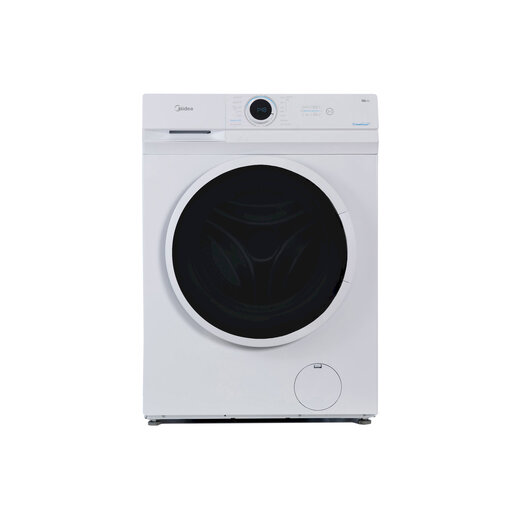
Consider the 6 kg capacity if it accommodates your usual kit loads. The title lists a D energy rating; check the exact fabric-care and short-cycle options, then allow room for connections when measuring.
 No image available
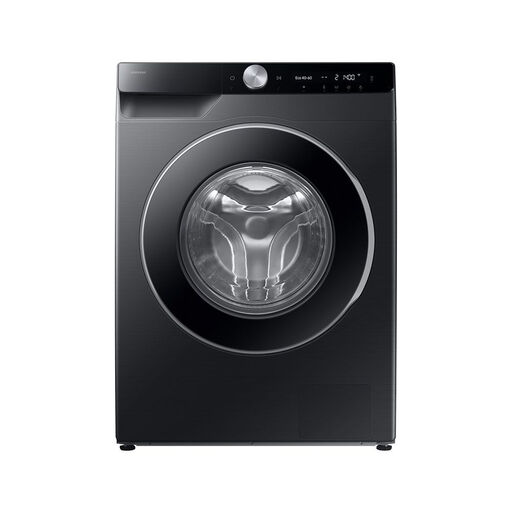
The listed 9 kg capacity may suit larger regular loads. Its title gives an A energy rating; check the model’s sports-kit settings and the load conditions of any shorter cycle before relying on it for turnaround.
 No image available
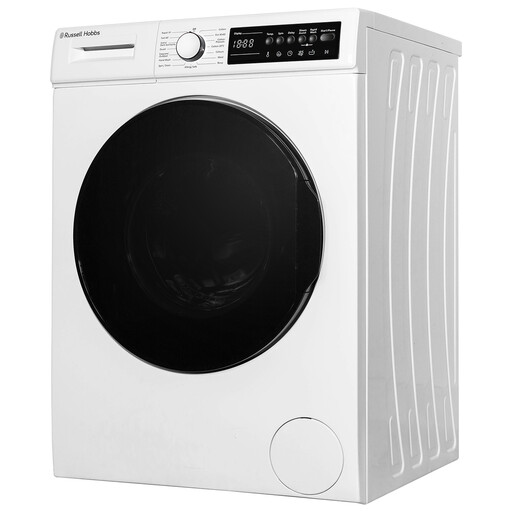
Consider its listed 9 kg capacity if several washable kits form your usual load. The title specifies an A energy rating; check the exact fabric programmes, rapid-wash conditions and space needed for installation.
 No image available
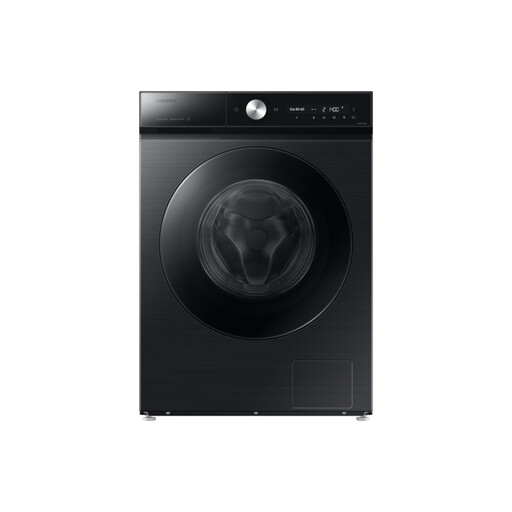
Its listed 9 kg capacity is a point of comparison for larger sports-kit loads. The title specifies an A energy rating; confirm the programmes and controls for your garments and any quick-cycle load limit.
 No image available
The listed 10 kg capacity is worth comparing with your normal load size rather than choosing capacity alone. The title gives an A energy rating; check the exact sports-kit settings, rapid-wash conditions and installation dimensions.
Not necessarily: the garment label and the exact machine’s available settings matter more than a programme name alone. AEG and Miele list sportswear programmes on the cited models, while Hotpoint advises cooler washing for moisture-wicking fabrics to help preserve their shape and elasticity.
Measure the usable space, including pipes, plugs and room to open the door, then follow the chosen model’s installation instructions. Allow around 25 mm at each side and roughly 50–150 mm behind freestanding machines and washer-dryers for ventilation, pipes and plugs.
Plan for a suitable standard socket instead. Electrical Safety First warns that a washing machine could overload an extension lead when used with other large appliances; follow the manufacturer’s electrical instructions for your installation.
Follow the exact machine’s installation instructions before using it. Bosch’s general freestanding-machine guidance covers removing transit bolts, connecting the water supply and waste hose, levelling the appliance and checking for leaks.
Use the energy label for the exact model alongside the capacity and programmes you expect to use. The Department for Energy Security and Net Zero and the Office for Product Safety and Standards state that in-scope products must display an accurate energy label at the point of sale, including on websites.