Towel washers with limited depth
If towels are a regular load but the washer must fit a shallow kitchen or utility space, usable depth and room for hoses come before programme features.


Choose by installed fit before choosing by drum size: measure the usable space in front of pipes and plugs, then allow for ventilation and door opening. An 8 kg freestanding washer is a starting point for regular household towel loads, provided its programme suits the load; compare energy information, spin and cycle options only among models that can be installed in your space.
If towels are a regular load but the washer must fit a shallow kitchen or utility space, usable depth and room for hoses come before programme features.
An 8 kg machine may be a starting point for everyday laundry and towels. Compare your usual loads with the programme instructions before choosing a larger machine that also needs to fit the space.
Once a machine fits and has suitable capacity, its energy information and programme load limits can help narrow the choice.
For towel laundry in a tight space, establish the usable installation depth first, then check capacity, running information and the cycles you would use.
| Concern | What to check | Who this matters to |
|---|---|---|
| Installed fit and access | Measure in front of pipes and plugs; check the model’s depth definition, ventilation clearance and door opening. Allow around 25 mm at each side and roughly 50–150 mm behind a freestanding machine. | I cannot use a washer that fits on paper but blocks the door or crowds the hoses. Around 36% of consumers put confirmed installed fit first. |
| Towel-load capacity | Compare an 8 kg capacity with your usual load and the intended programme’s loading instructions; consider more capacity only if both the load and space warrant it. | If I regularly wash several bulky towels together, I need a drum and programme suited to that load. Roughly 29% of consumers prioritise towel-load capacity. |
| Energy and water information | Compare the exact models’ energy labels and product information sheets, including their declared energy and water consumption. Keep manufacturer feature claims separate from label figures. | Once a washer fits and holds my usual towels, I want comparable running information before choosing. Around 21% of consumers place that need first. |
| Laundry turnaround | Check the spin setting available on the intended cycle, plus any quick programme’s duration, load limit and fabric guidance. | When towels need to be ready for the next wash day, cycle limits and spin options matter to my schedule. Roughly 14% of consumers make turnaround their primary concern. |
Rear services, ventilation space and the open door can make a washer unusable even when its stated dimensions appear to fit.
Measure from the front of pipes and plugs, and compare the available space with the exact model’s dimensions and installation instructions.
A failed fit can mean rearranging the installation or arranging another delivery.
A 9 kg or 10 kg capacity does not establish that the machine will fit a shallow floor space.
Start by comparing your normal towel load with an 8 kg model’s programme guidance. Consider a larger model only if the load calls for it and its installed dimensions fit.
A programme’s stated duration is useful only alongside its load limit and fabric guidance.
Check the intended cycle in the exact model’s documentation before planning regular towel washes around its advertised time.
Transit bolts, hose routing and levelling matter when installing a washer. For a mains-water connection, Water Regs UK also identifies applicable water-fittings and backflow-protection requirements.
Follow the model’s installation guide and obtain suitable installation support where needed, including for the water connection.
The Hoover HGD 48SB6-80 is an 8 kg, 1400 rpm freestanding washer with a stated depth of 48 cm.
Beko states that its BM3WT3841 is an 8 kg, 1400 rpm freestanding washer measuring 54.6 cm deep.
Bosch UK gives the WGE03408GB an 8 kg capacity, a maximum 1400 rpm spin and dimensions of 848 × 598 × 588 mm.
AEG lists the LFR61844B with an 8 kg capacity, a maximum 1400 rpm spin and a stated depth of 602 mm.
Miele lists the WWA120 WCS as an 8 kg front-loading washer with a 1400 rpm spin.
These choices include 8 kg freestanding washers, a 10 kg washer for larger loads and a combined washer dryer. Compare the installation requirements and programme load limits of each model before deciding which suits your towel laundry and available space.
 No image available
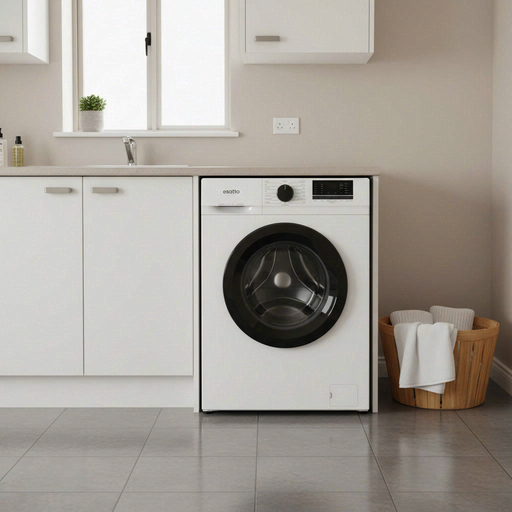
An 8 kg washer to compare with your regular towel load when installation depth is restricted.
Check the depth required once hoses are connected, and confirm the intended programme’s towel-load guidance before ordering.
 No image available
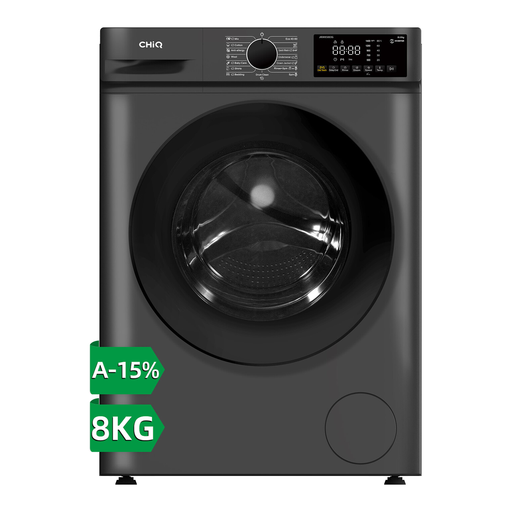
This 8 kg freestanding model is an option to measure against a space intended for regular towel laundry.
Confirm the installed depth, door clearance and load limit of the cycle you plan to use.
 No image available
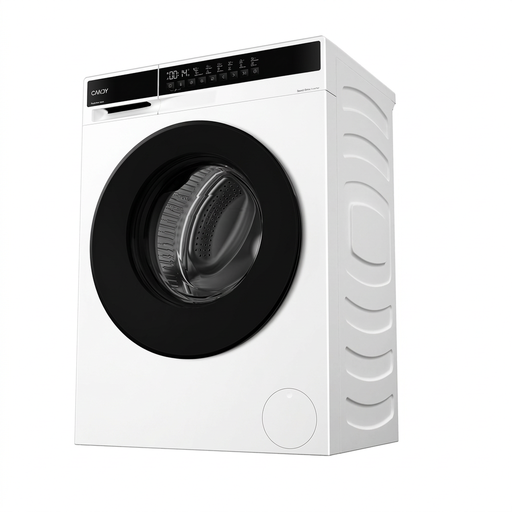
Compare this 8 kg machine if your usual towel loads suit that capacity and the installation space is limited.
Confirm the exact programme list and the relevant cycle’s load limit, as well as clearance for services and the door.
 No image available
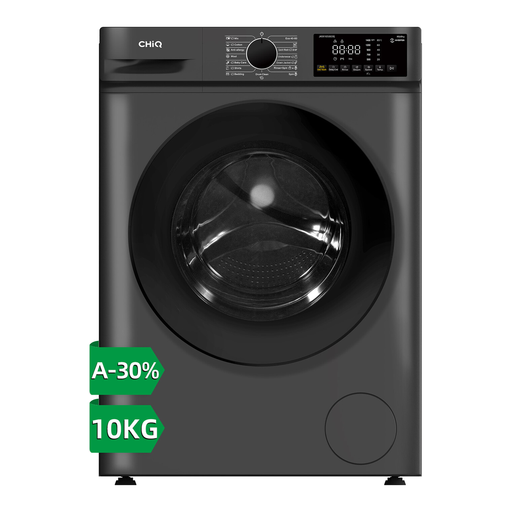
Consider the 10 kg capacity if your regular loads call for it and the measured space accommodates this model.
A larger drum is not a substitute for checking installed depth, door access and the chosen cycle’s load guidance.
 No image available
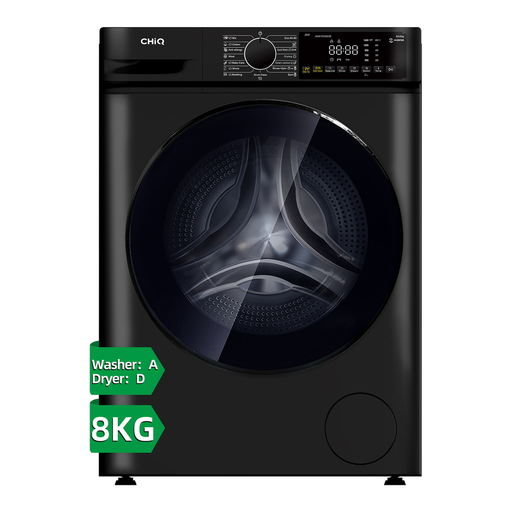
A combined appliance is worth considering when there is room for one machine rather than separate washing and drying appliances.
Its stated drying capacity is 5 kg, below its 8 kg washing capacity. Confirm exact installation dimensions and the load limit for any combined cycle.
Measure the usable width, height and depth in front of pipes and plugs, then check that the door can open. Allow around 25 mm at either side and roughly 50–150 mm behind a freestanding washer; compare the resulting space with the exact model’s installation instructions.
An 8 kg washer is a starting category for regular household laundry including towels, not a guarantee that every towel load will fit. Compare your usual load with the selected programme’s loading instructions, and consider a larger machine only if both the load and installation space justify it.
Compare the energy label and product information sheet for each exact model, rather than treating a quick-cycle or manufacturer feature claim as an equivalent measure. GOV.UK guidance says products within the scope of Great Britain’s energy-information rules must be supplied with an accurate printed energy label and a product information sheet.
Follow the exact model’s installation guide, including its instructions for transit bolts, hoses and levelling. AEG’s installation guidance calls for removing transit bolts and avoiding hose kinks; Water Regs UK says applicable water-fittings rules and suitable backflow protection also matter for a mains-water connection.