Shared-house laundry coordinators
If several residents use one machine, check whether its everyday programmes accommodate the loads you expect to combine, as well as how long those programmes take.


Choose a freestanding washing machine only after checking that it fits the space and access route. For shared school-uniform laundry, compare the capacity permitted on the programmes you will use, quick-cycle conditions, garment care labels and comparable energy-label figures; a 9 kg, 1400 rpm model is one route for combined ordinary loads, but different programme features may matter more to households dealing with short turnarounds or particular garments.
If several residents use one machine, check whether its everyday programmes accommodate the loads you expect to combine, as well as how long those programmes take.
When washable uniform items need to be ready between school days, the quick programme’s permitted load and fabric types matter as much as its advertised duration.
Uniform items may call for different care. Compare the exact model’s stain, steam and fabric-care programmes against the labels on the clothes you actually wash.
Start with physical fit, then check the programmes for your usual loads. Compare running-use information on the same energy-label basis rather than treating a capacity or class letter as the whole decision.
| Concern | Buying checks | Who this matters to |
|---|---|---|
| Usable capacity | Check rated capacity alongside programme load limits; measure the machine, access route and door clearance. | When several residents combine ordinary loads, I need a drum and installation space that work together. Around 31% of consumers put usable shared-load capacity first. |
| Uniform turnaround | Check the quick programme’s duration, permitted load and fabrics, plus the available spin setting. | If uniforms must be washed between school days, I need a suitable cycle I can finish in time. Getting eligible loads ready promptly is the primary need for around 25% of consumers. |
| Stains and garment care | Read care labels, then compare the exact model’s stain, steam and fabric-care programme instructions. | When shirts, knitwear or trimmed items need different treatment, I want programme choices that respect their labels. Around 25% of consumers prioritise garment care and stain-related options. |
| Running use and installation | Compare energy, water, duration and spin-noise figures on the same Eco 40-60 basis; confirm a suitable socket arrangement. | If the machine will be used frequently in a shared home, I want comparable use figures and a safe place to install it. These are the leading concerns for around 19% of consumers. |
Rated capacity does not override the load limit for a particular quick, delicate or other selected programme.
Check the programme table for the cycles you expect to use and keep each load within its stated limit.
A short advertised cycle does not establish that it suits every uniform fabric, soil level or load size.
Match the cycle instructions to the garment care labels and keep an appropriate standard programme available for other loads.
The label also provides figures that matter when comparing machines used regularly.
Compare the product information sheets on the same Eco 40-60 basis, including energy per 100 cycles, water per cycle, duration and spin noise.
A machine must fit its installation space and access route. Electrical Safety First warns that a washing machine used with other large appliances may overload an extension lead.
Measure the space and door clearance, arrange competent installation and check that the socket arrangement is suitable rather than relying on an extension lead.
Bosch UK lists the WGG244A9GB for buyers comparing a 9 kg, 1400 rpm front-loader with quick and stain-oriented options.
Beko UK lists the 9 kg, 1400 rpm B5W5941BD with a 28-minute quick programme and Autodose.
Samsung UK lists the 9 kg, 1400 rpm WW90CGC04DAEEU with Hygiene Steam and EcoBubble.
These machines offer stated capacities and features to compare for shared loads and time-sensitive uniform washing. Check each model’s programme limits, garment compatibility and installation requirements before choosing.
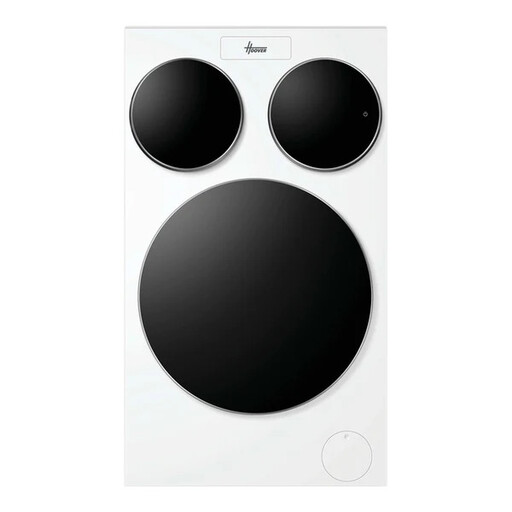 No image available
Consider its separate drums if residents need to keep eligible loads apart. The stated 107 cm height calls for particular attention to installation space; check the quick-cycle load and fabric instructions before using it for uniforms.
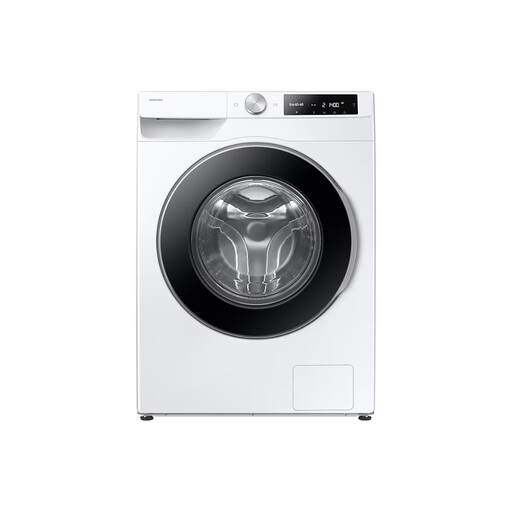 No image available
Its stated capacity may suit residents combining ordinary washable loads. Check quick-cycle limits and care labels, and confirm the cabinet depth and door clearance before ordering; app features also require a suitable shared-house setup.
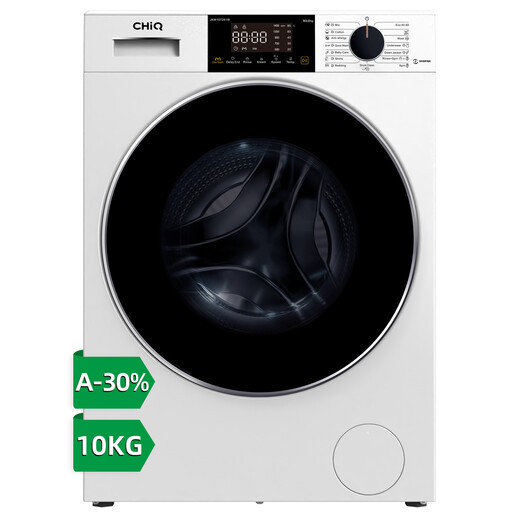 No image available
Consider the stated 10 kg capacity if combining ordinary loads is a priority. Before planning a short uniform wash, check the programme’s permitted load and fabrics; measure the installation space and compare the official energy-label figures.
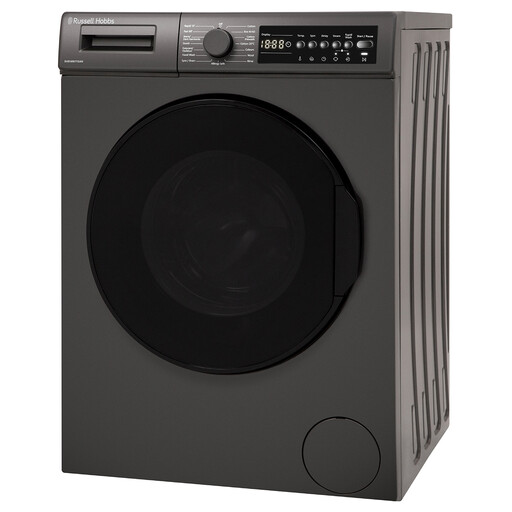 No image available
The stated capacity may suit combined ordinary loads, while its named Rapid 15 programme warrants a closer look if turnaround is important. Check its permitted load, fabrics and soil conditions against the uniform care labels; confirm any dosing feature for this exact model before relying on it.
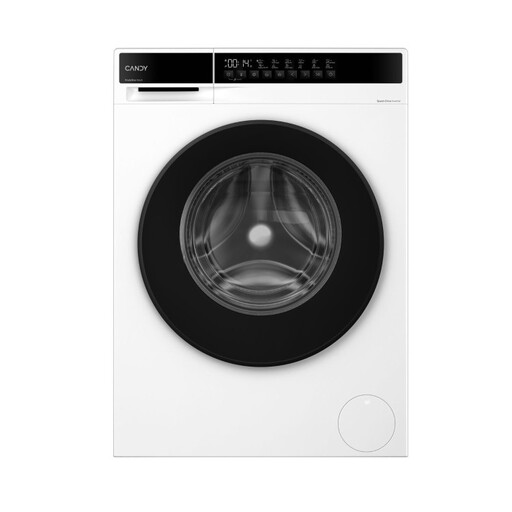 No image available
Its stated capacity may suit shared ordinary loads. If a short wash is important, check the 30-minute cycle’s permitted load and fabrics: it is described for lightly soiled items, not every uniform load.
A 9 kg machine is a starting point for combined ordinary loads, not a guarantee that every programme takes 9 kg. Check the loads permitted by the cycles you will use and whether the machine fits the available space.
No. Siemens Home UK describes Eco 40-60 as intended for normally soiled cotton, linen or mixed-fibre items whose care labels permit washing at 40°C or 60°C. Check each garment’s label, particularly for blazers, knitwear, embroidery and special trims.
Compare machines on the same Eco 40-60 basis, including energy use in kWh per 100 cycles, water per cycle, duration, rated capacity, spin efficiency and spin noise. The UK Department for Energy Security and Net Zero and Office for Product Safety and Standards set out the energy-information requirements for products in scope.
Do not plan the installation around an extension lead. Electrical Safety First warns that a washing machine may overload one when used with other large appliances; check the manufacturer’s instructions and arrange a suitable socket setup and competent installation.