Frequent apron washers
If you wash several aprons regularly, perhaps alongside other laundry, consider your usual batch size and whether a freestanding machine will leave room for hoses, the plug and the open door.


Choose between a freestanding and an integrated washer before comparing programmes: freestanding suits an exposed utility-room position, while integrated requires compatible cabinetry and a furniture door. Then match capacity to your usual apron load, check the aprons’ care labels before relying on a particular cycle, and measure space for connections and the door as well as the appliance itself.
If you wash several aprons regularly, perhaps alongside other laundry, consider your usual batch size and whether a freestanding machine will leave room for hoses, the plug and the open door.
If the washer must sit behind a furniture door, check the cabinet, hinge arrangement and installation requirements of an integrated model. Drum capacity alone will not establish whether it fits.
If your washable aprons have prints, coatings, trim or delicate fabrics, compare their care labels with the machine’s programme and detergent instructions before choosing a hot, rapid or high-spin wash.
Choose when: The machine will stand visibly in the utility room or slide beneath a suitable existing counter without a furniture door.
Allow for: A visible appliance and the space needed around it for connections, ventilation and access.
Choose when: The utility room has housing and a furniture-door arrangement intended for an integrated machine.
Allow for: Cabinet, hinge and door compatibility; an integrated washer is not interchangeable with a freestanding one.
| Concern | What to check | Who this matters to |
|---|---|---|
| Fit and access | Measure usable height, width and depth, including space for connections and the open door; check the exact model’s installation instructions. | If the washer must fit beneath my utility-room counter, I need room to connect and open it; around 36% of consumers would put installation fit first. |
| Batch size and turnaround | Compare drum capacity with your usual load and check the load limit for any short programme you expect to use. | When aprons pile up between washes, I want to handle my usual batch without assuming every fast cycle takes a full load; roughly 29% of consumers would prioritise batch size and turnaround. |
| Apron care | Read representative care labels, then compare permitted temperatures and spin settings with the model’s programmes. | If my aprons have prints, coatings or delicate trim, I need a wash that respects their care instructions; around 21% of consumers would make fabric care their primary concern. |
| Ongoing use | Compare the applicable energy information and stated spin noise, and check access to the drawer, seal and filter. | If I wash aprons often or the utility room adjoins living space, noise and routine cleaning matter to me; about 14% of consumers would put ongoing use first. |
A machine can fit across the available space but still leave too little depth for pipes and the plug, or too little room to open its door.
Measure the full installation space and compare it with the exact model’s dimensions and clearance instructions.
Programme claims apply to particular models and conditions; washable aprons can differ in fabric, print, coating and trim.
Check each apron’s care label, then confirm the programme’s load, temperature and spin options in the machine manual.
Residue and debris can collect around the detergent drawer, door seal and drain filter during regular laundry use.
Choose an installation that lets you reach those parts and follow the manufacturer’s cleaning instructions.
A reference point for a freestanding, larger-batch utility-room installation.
A reference point when the utility room is being planned around an integrated washer.
A reference point for comparing detergent-handling and fabric-care features.
These models cover freestanding utility-room washing and an integrated option for compatible cabinetry. Compare the installation type and stated capacity first, then check each model’s manual against your aprons’ care labels.
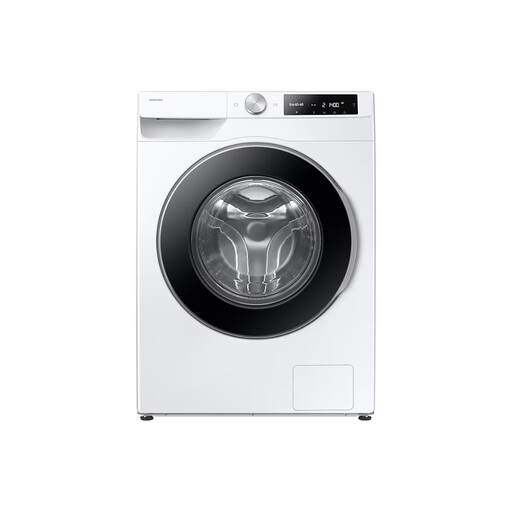 No image available
Consider this freestanding option if you regularly wash larger apron batches. The stated capacity is 9 kg and the maximum spin speed is 1400 rpm.
Check the model manual for programme conditions and measure the space needed for connections and the door.
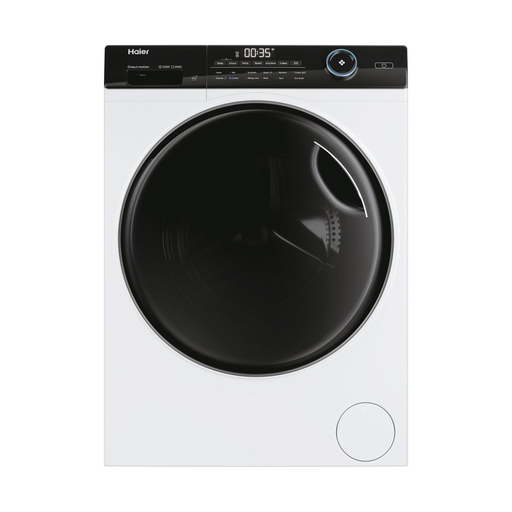 No image available
This freestanding option may suit a utility room where an 8 kg drum matches the usual apron load; its stated maximum spin speed is 1400 rpm.
Confirm installation requirements for your room and compare its programmes with your aprons’ care labels.
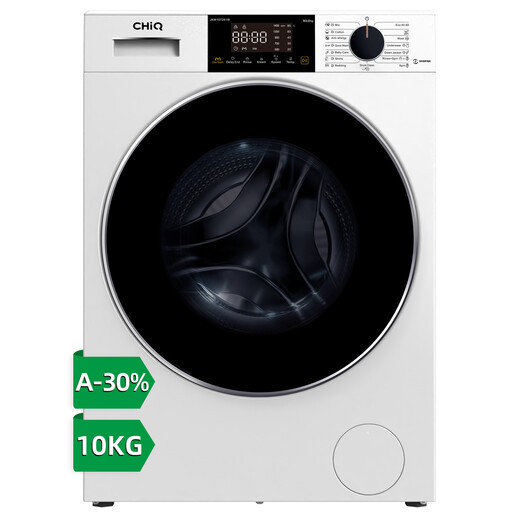 No image available
Consider the stated 10 kg capacity if aprons are usually washed in larger batches or alongside other laundry. The maximum spin speed in the product name is 1400 rpm.
Check short-programme load conditions in the manual; do not assume a steam or high-spin setting suits every apron.
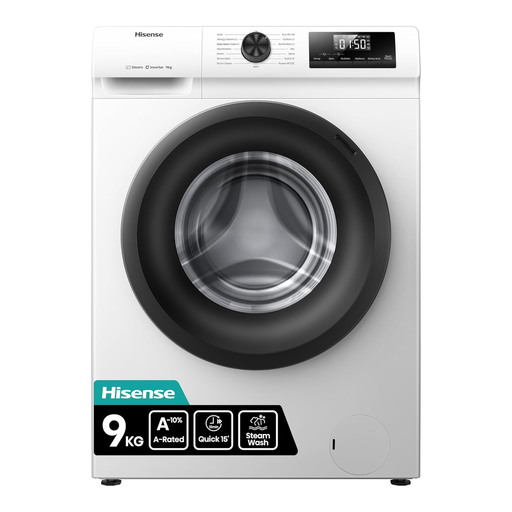 No image available
This freestanding 9 kg option is worth comparing if you wash aprons regularly or combine them with other laundry. Its stated maximum spin speed is 1400 rpm.
Check the load and fabric conditions of any quick programme, along with the space required behind and in front of the machine.
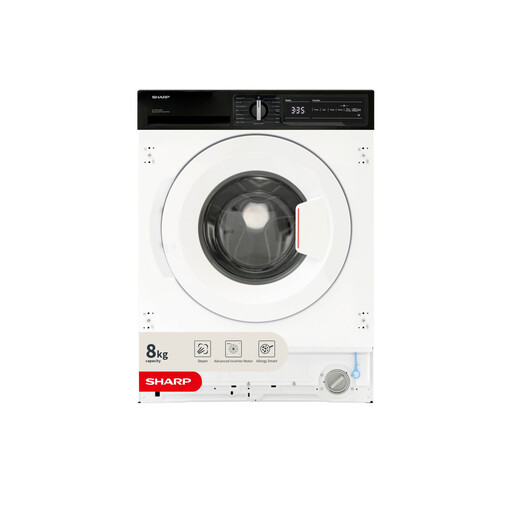 No image available
Consider this integrated 8 kg model only if the utility room has suitable housing and a furniture-door arrangement. Its stated maximum spin speed is 1400 rpm.
Confirm cabinet and hinge compatibility before buying, and check programme load limits and apron care labels before using a short cycle.
Choose freestanding for an exposed position or a suitable space beneath an existing counter without a furniture door. Choose integrated only if the cabinet, hinge and door arrangement is designed for that type of machine.
Measure beyond the appliance body to allow for connections, ventilation and the open door. Allow around 25 mm at either side and roughly 50–150 mm behind a freestanding washer; follow the exact model’s installation instructions for its required clearances.
Use one only when the individual apron’s care label permits its temperature, spin and other treatment. Check the machine manual for the programme’s load limit and conditions rather than assuming a quoted cycle time applies to every batch.
Keep the detergent drawer, door seal, drum and drain-pump filter accessible for cleaning according to the machine manual. These areas need regular attention; residue, moisture and trapped material can cause problems if left in place.
Compare the applicable energy label and product information for the exact washing-machine models you are considering. GOV.UK identifies household washing-machine energy-labelling standards for England, Scotland and Wales; for a purchase or installation in Northern Ireland, confirm the applicable documentation with the seller or manufacturer.