Regular bedding washers
If cotton sheets are a frequent load, look for usable drum space and a suitable cottons programme rather than choosing by a quick-wash claim alone. Separating bedding from other laundry is advisable.


Choose a freestanding washing machine for regular cotton-sheet loads if the utility room has a suitable standalone bay. An integrated model makes sense when it must fit existing cabinetry; consider a washer-dryer if you also need drying in the same appliance, but check its separate drying capacity. Whichever format you choose, confirm that the sheets have room to move, their care labels suit the available programmes, and the machine fits the connections and clearances.
If cotton sheets are a frequent load, look for usable drum space and a suitable cottons programme rather than choosing by a quick-wash claim alone. Separating bedding from other laundry is advisable.
If the machine must fit a particular bay or cabinet arrangement, measure the space and check access to water and drainage before comparing drum sizes.
If the utility room is close to living space or laundry timing matters, compare energy-label consumption, programme duration and spin noise alongside the machine’s fit and sheet-care settings.
Choose when: You have a suitable standalone bay and regularly wash sheets.
Bear in mind: It takes up visible appliance space and does not dry the load.
Choose when: The utility room is designed around cabinetry and the machine needs to sit behind a furniture door.
Bear in mind: The appliance, cabinet door and hinges all need to be compatible.
Choose when: You need washing and drying in one footprint because a separate dryer is impractical.
Bear in mind: Drying capacity is commonly lower than wash capacity, so a full sheet load may need splitting.
| Concern | What to check | Who this matters to |
|---|---|---|
| Room for sheets | Compare rated wash capacity in kg and leave enough drum space for the sheets to move; the rating is not a bedding-item count. | If I wash bedding regularly, I need a load that fits without being tightly packed. Around 28% of consumers put practical sheet-load capacity first. |
| Utility-room fit | Measure the bay, access route and door swing; check the model’s water and drainage requirements and, for integrated machines, furniture-door compatibility. | A cabinet or narrow bay could rule out a machine before its programmes matter to me. Fit is the primary concern for around 28% of consumers. |
| Energy, time and noise | Compare energy use per 100 Eco 40-60 washes, water use, programme duration and spin-noise figures on the label. | When laundry runs near living space, I want to weigh operating figures against how long a cycle takes and how noisy the spin is. Around 22% of consumers prioritise these comparisons. |
| Cotton-care controls | Check the exact model’s cottons programme, selectable temperatures and spin settings against the sheets’ care labels. | If my sheets have particular washing instructions, I need controls that let me follow them rather than relying on a rapid-cycle claim. For around 22% of consumers, programme suitability comes first. |
A machine with a suitable drum rating may still be too deep for the intended position or need more room for connections and an opening door.
Measure the bay and access route before ordering. For an integrated model, check the furniture door and hinges too.
The energy label includes the duration of Eco 40-60, so an energy-class comparison alone will not tell you whether that cycle fits your laundry schedule.
Read the programme duration alongside the label’s energy and water figures.
A rated capacity does not guarantee that a bulky bedding load has enough room to move, and a rapid-cycle claim does not establish suitability for that load.
Wash bedding separately, avoid overpacking and select a cottons setting permitted by the sheets’ care labels.
Bosch UK offers freestanding, integrated and built-under formats to compare against different utility-room layouts.
AEG UK lists integrated, standalone and compact washing-machine options for different spaces.
Miele is relevant if you want to check model-specific programmes for home textiles.
Indesit UK lists freestanding 11kg machines for buyers considering larger rated wash capacities.
Haier UK lists X7 freestanding models with different rated capacities.
These freestanding washing machines offer different stated capacities for utility-room sheet loads. Compare their exact fit and cottons controls before choosing; the cards do not represent integrated machines or washer-dryers.
 No image available
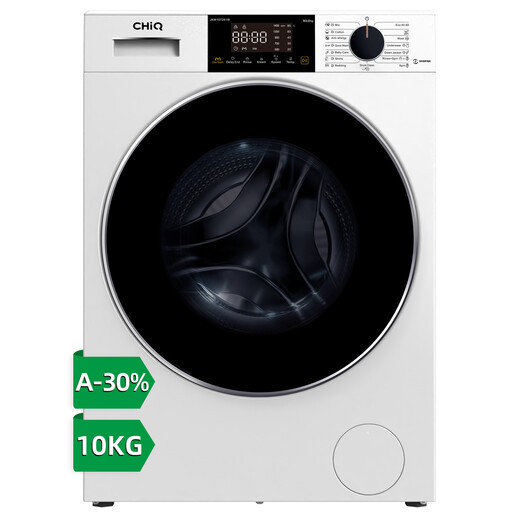
Consider this freestanding model if you regularly wash sheets and want to assess a 10kg rated drum. Its stated maximum spin is 1400rpm; confirm the selectable cottons temperatures against your sheet labels and measure the bay, door clearance and connection space.
 No image available
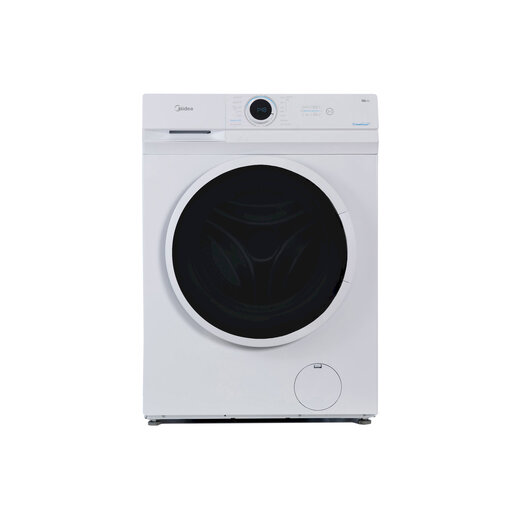
Consider its 6kg rated capacity for smaller sheet loads, while checking that your bedding can move freely in the drum. The stated maximum spin is 1000rpm and the listed energy class is D; confirm whether the delivered variant is MF100W60 or MF100W60-E before relying on model-specific details.
 No image available
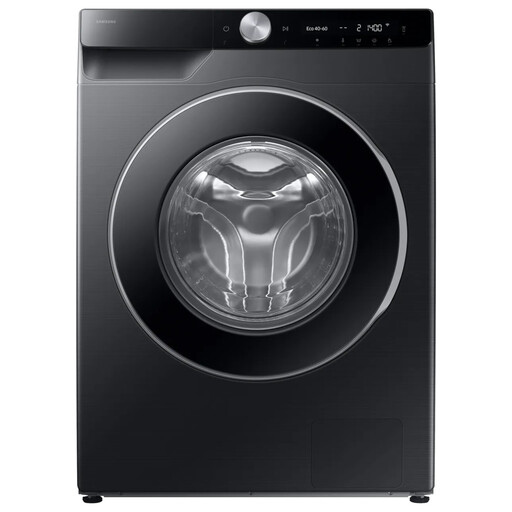
The 11kg rated capacity makes this a model to assess for recurring larger sheet loads, although the rating does not guarantee that every bedding set will fit comfortably. The stated maximum spin is 1400rpm and the listed energy class is A; check cottons settings, label figures and installation clearances for the exact model.
 No image available
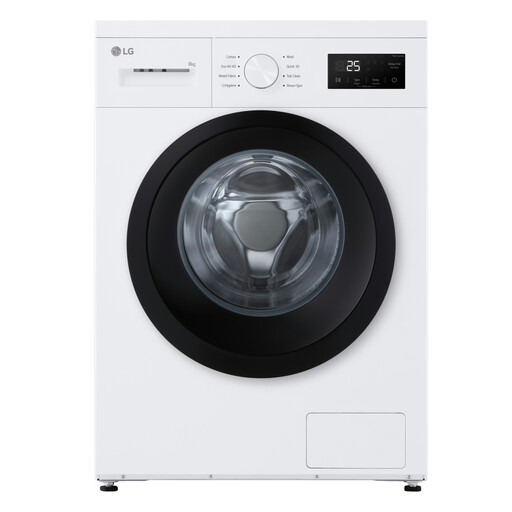
Assess this 8kg freestanding model if a larger-capacity machine may not suit your utility-room bay, while still checking that your sheet load fits. Its stated maximum spin is 1400rpm and the listed energy class is A; measure the full installed depth, including the door and connections, and check cottons settings.
 No image available
Its 10kg rated capacity is a starting point for assessing regular bedding loads, provided the sheets have room to move. The stated maximum spin is 1400rpm; confirm the cottons programme and temperatures, compare the full energy label and check the required installation space.
Use a temperature permitted by the sheets’ care labels. Which? suggests a 60°C cottons programme for cotton bed sheets, but that does not override a lower maximum temperature on your bedding label.
No; compare the figures for the specific machines rather than relying on the letter class alone. Energy Saving Trust explains that the washing-machine label gives energy consumption per 100 washes; also check the displayed water use, Eco 40-60 duration and spin noise against your priorities.
Not without checking the proposed position and connections first. Follow the exact machine’s installation instructions, confirm the water supply and drainage arrangement, and seek a competent installer if plumbing or electrical work is needed. Water Regs UK highlights the need for appropriate backflow protection on water-using appliances.
Not necessarily: check its separate wash and dry capacity ratings before planning a full sheet load. Which? notes that washer-dryers commonly have a lower drying capacity than washing capacity, so you may need to split the load before drying.