Households washing bedding regularly
If sheets, pillowcases and covers make up a frequent load, look for enough programme-specific capacity to leave the laundry loose. Samsung advises against pushing laundry down to fit more into the drum.


For regular cotton-sheet loads, choose a washer whose programme allowance lets the sheets sit loosely in the drum, and check that the appliance can reach and fit its installation space. A standalone washer suits households with separate drying arrangements; if you need a washer-dryer, compare its drying capacity separately, because it is lower than its washing capacity, as Which? explains. Check the sheets’ care labels against the exact model’s cotton settings before choosing.
If sheets, pillowcases and covers make up a frequent load, look for enough programme-specific capacity to leave the laundry loose. Samsung advises against pushing laundry down to fit more into the drum.
Check the exact machine’s cotton programme and temperature choices against each sheet’s care label. Bosch describes its Cotton / coloureds programme as suitable for hard-wearing cotton and linen bed linen.
Measure both the installation space and the route into it. If a washer-dryer would replace separate appliances, compare its washing and drying capacities before deciding how you will handle a load of sheets.
Start with how the sheets will fit and which programme they need, then check delivery access and whether drying in the same appliance is necessary.
| Concern | What to check | Who this matters to |
|---|---|---|
| Room for bedding | Compare rated capacity with the intended programme’s load limit; leave sheets loose rather than packing them down. | When sheets and covers fill the drum, I need them to fit without being compressed. Around 42% of consumers put loose-load capacity first. |
| Cotton settings | Check the exact model’s cotton programme, available temperatures and programme-specific load guidance against the sheets’ care labels. | If I wash cotton sheets regularly, I want settings that suit their care labels rather than relying on a generic cycle; roughly 33% of consumers make cotton-care control their primary concern. |
| Fit and drying plans | Measure the appliance and access route, compare product-label information, and check separate drying capacity if choosing a washer-dryer. | With a tight installation space or a need to dry sheets in the same machine, I must know what will fit and how many drying loads are needed. About 25% of consumers prioritise fit, running information and drying arrangements. |
A kilogram rating does not remove the need to follow the selected programme’s load guidance. Samsung advises leaving laundry loose rather than pushing it down to make room.
Check the programme allowance in the model manual and load bedding without compressing it.
Which? explains that a washer-dryer’s drying capacity is lower than its washing capacity, so a full wash load may not dry together.
Compare the two capacities and the wash-only and complete-cycle information before deciding whether the appliance fits your bedding routine.
Splitting one washed load can mean an additional drying cycle and more time.
Which? cautions that a good energy rating alone does not establish what a machine will cost to run.
Read the product information sheet alongside the energy label, and compare the cycle information relevant to how you expect to use the machine.
A machine that fits its final position still needs to pass through the doors and corridors on the way there. Samsung advises checking the route against the packaged appliance.
Measure the access route, packaged appliance and installation space before ordering.
Bosch offers full-size washer examples at different rated capacities and documents a cotton programme for bed linen.
Miele lists front-loading washing machines with 8 kg, 9 kg and 10 kg rated capacities.
Samsung has 9 kg front-loading options, including models with additional controls and connected features.
These freestanding standalone washers offer 8 kg or 9 kg rated capacities. For any of them, check the exact cotton programme and its load allowance before deciding whether your sheets will fit loosely.
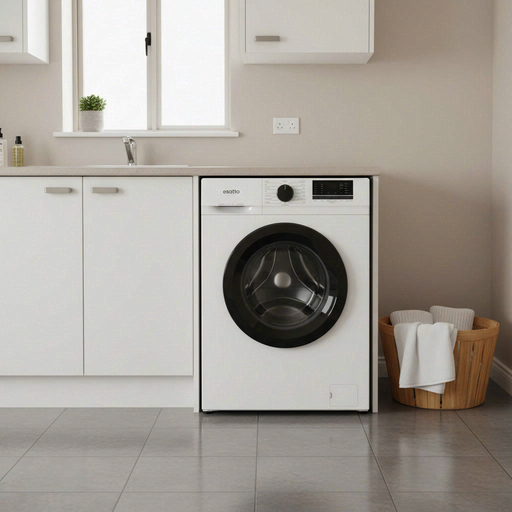 No image available
Consider this standalone washer if your sheets fit loosely within its chosen programme’s allowance.
Rated capacity: 8 kg. Maximum spin: 1400 rpm. Listed energy class: A.
Check the model manual for cotton settings and load limits, and measure the packaged appliance for delivery.
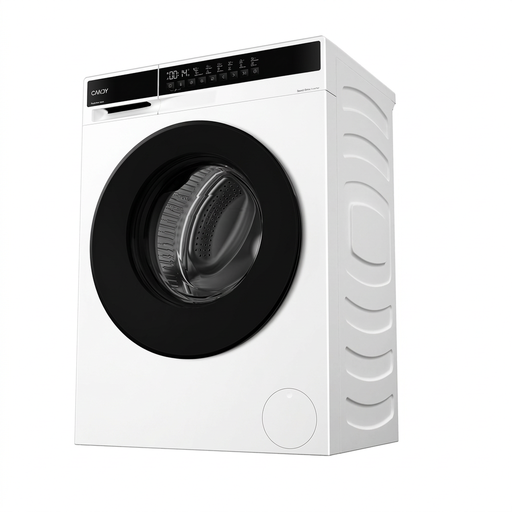 No image available
Consider this standalone washer for bedding loads that fit loosely within the selected programme’s allowance.
Rated capacity: 8 kg. Maximum spin: 1400 rpm. Listed energy class: A.
Confirm the exact programme list and cotton load guidance in the model manual before choosing it for your sheets.
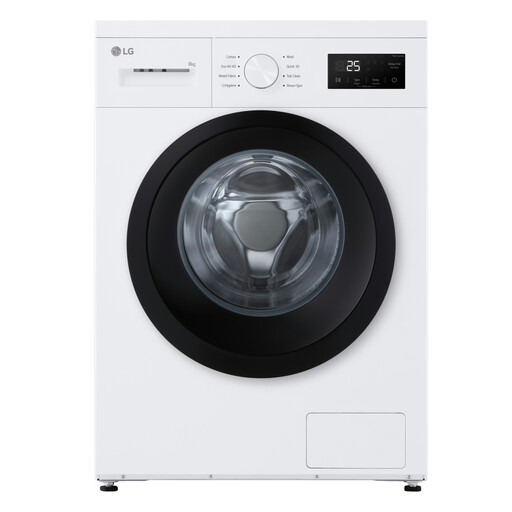 No image available
This freestanding model is an option if its programme allowance accommodates your sheets without packing them down.
Rated capacity: 8 kg. Maximum spin: 1400 rpm. Listed energy class: A.
Check the cotton settings and load limit in the manual, as well as the full installed depth and delivery clearance.
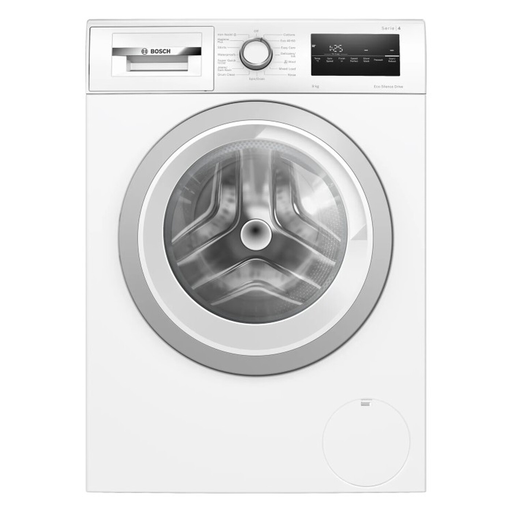 No image available
Consider this freestanding washer if you need to assess a 9 kg rated capacity for regular bedding loads.
Rated capacity: 9 kg. Maximum spin: 1400 rpm. Listed energy class: A.
Confirm this model’s cotton programme and load allowance in its manual; a larger rating does not mean sheets should be compressed.
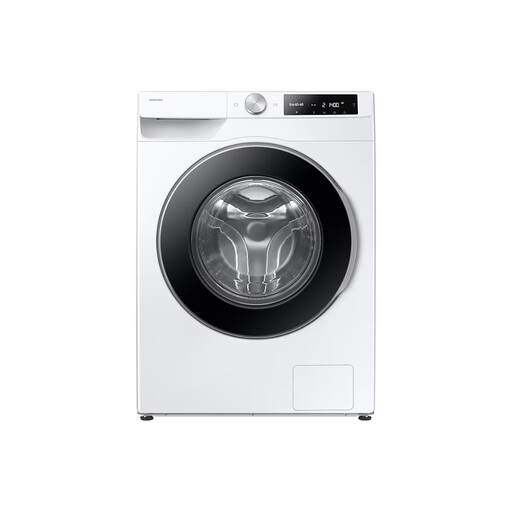 No image available
This freestanding washer is worth comparing if your bedding routine calls for a 9 kg rated model.
Rated capacity: 9 kg. Maximum spin: 1400 rpm. Listed energy class: A.
Check its cotton programme and programme-specific load limit, then measure the appliance and delivery route.
Use a cotton programme when the sheets’ care labels permit it. Bosch describes its Cotton / coloureds programme as suitable for hard-wearing cotton and linen bed linen; check the temperatures and instructions for your sheets and the exact machine.
Load the sheets loosely rather than pushing them down to make more fit. Samsung advises keeping large loads at about three-quarters of the drum and checking the machine’s programme-specific load guidance.
Not necessarily: Which? explains that a washer-dryer’s drying capacity is lower than its washing capacity. Compare both figures for the exact model, because a full wash load may need splitting before drying.
Compare the energy label with the product information sheet rather than relying on the class letter alone. GOV.UK describes label and information-sheet requirements for products in scope; check the documentation applicable to your delivery address, as details can differ between Great Britain and Northern Ireland.