Households washing little and often
If vests, muslins, towels and changing-related items create repeated small-to-medium loads, look for programmes with useful load limits rather than choosing the largest drum by default.


Choose a washing machine that fits the installation space and the loads you will actually wash: an 8kg model may suit frequent smaller loads, while a 9kg model is worth considering if baby laundry regularly shares the drum with family towels and bedding. Check the permitted load for each useful programme, not just the headline capacity; a short quick wash is no substitute for a suitable cycle and the garment care label.
If vests, muslins, towels and changing-related items create repeated small-to-medium loads, look for programmes with useful load limits rather than choosing the largest drum by default.
When newborn items join adult clothes, towels and bedding, check both usable capacity and whether a faster programme can handle the accumulated load.
If garments need lower temperatures or gentler spinning, compare the machine’s synthetics and delicate programmes with the instructions on each garment label.
Start with installation fit and the capacity of the programmes you will use most; then weigh faster cycles, fabric care and everyday household impact.
| Concern | What to check | Who this matters to |
|---|---|---|
| Usable capacity | Compare the exact model’s rated capacity, programme load limits and installed dimensions. | If baby clothes share the machine with family towels and bedding, I need enough usable capacity to prevent a backlog. Around 31% of consumers put capacity first. |
| Fast turnaround | Check the rapid programme’s permitted load and the fabrics and soil levels it is intended for. | When clean clothes or muslins are needed soon, I want a short cycle that suits the actual load. For around 31% of consumers, turnaround is the primary concern. |
| Fabric care | Match garment labels to the model’s synthetics or delicate settings, including their load and spin limits. | If some garments need gentler treatment, I cannot choose a cycle by its name alone. Fabric care comes first for around 23% of consumers. |
| Household impact | Compare exact-model energy, water, duration and spin-noise information on the same labelled basis; check installation instructions. | With frequent washes near living spaces, I care about resource use, noise and a safe connection. Around 15% of consumers make these everyday effects their main concern. |
Rated capacity describes dry textiles for a specified programme; quick and delicate programmes can have lower limits. A larger drum does not mean every cycle accepts a full load.
Compare the load limits of the rapid and fabric-care programmes you expect to use, as well as the machine’s rated capacity.
A short cycle may be intended for a small, lightly soiled load. Samsung specifies its WW90FG3M05AWEU 15-minute Quick Wash for loads below 2kg; that condition cannot be assumed for other models or cycles.
Check the exact programme’s load, fabric and soil-level guidance, then follow the garment care label.
Two full-size machines can differ in depth, while doors, hoses and the access route also affect whether an appliance can be installed as instructed.
Measure the whole installation space and access route, then check the exact model’s dimensions and installation instructions before ordering.
Electrical Safety First warns that a washing machine can overload an extension lead, particularly when other large appliances are connected.
Check that the intended location has an appropriate fixed socket and follow the manufacturer’s installation instructions; use a competent installer where needed.
The WAN28281GB is a reference point for an 8kg front-loading machine with options for frequent household washing.
The 7kg NSWM 7469 W UK offers a model-specific example of a faster full-load programme.
The 9kg Series 4 WW90FG3M05AWEU illustrates the distinction between a small-load quick wash and overall drum capacity.
The 9kg WSJ883 WCS provides a reference for comparing fabric-care and automatic-dosing features.
These 8kg and 9kg freestanding and integrated models are options for washing newborn items alongside household laundry. Choose the installation type that fits your space, and check the load limits of the programmes you intend to use.
 No image available
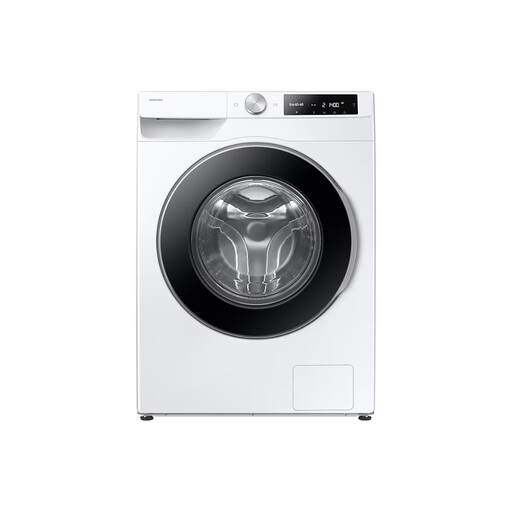
If baby laundry regularly joins larger household loads, this 9kg model is a capacity option to assess against your available space.
The listing names a 1400rpm spin and an A energy rating. Check the exact rapid-cycle conditions and fabric-care programmes before relying on either for your usual loads.
 No image available
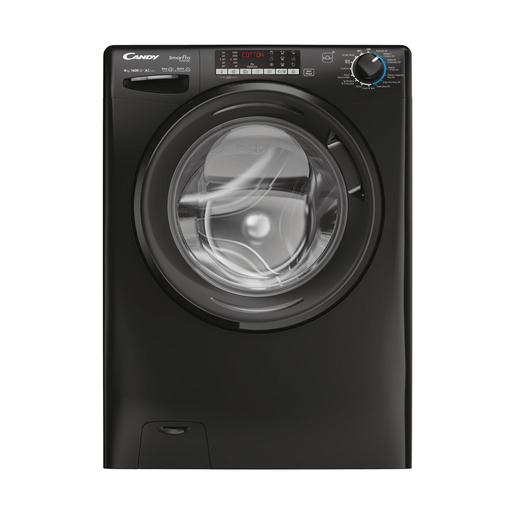
For mixed baby and family laundry, compare this 9kg freestanding model’s programme capacities with the loads you need to clear.
Its title specifies a 1600rpm spin and an A energy rating. Confirm the rapid programme’s load and fabric conditions rather than assuming every wash can use it.
 No image available
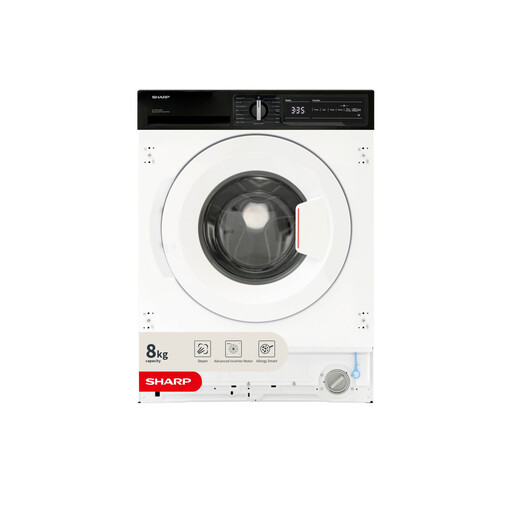
This model is relevant if the installation space is designed for an integrated machine and frequent smaller loads are the priority.
The title specifies 8kg, 1400rpm and an A energy rating. Confirm cabinet and door compatibility, and check the quick programme’s permitted load before using it for urgent washing.
 No image available
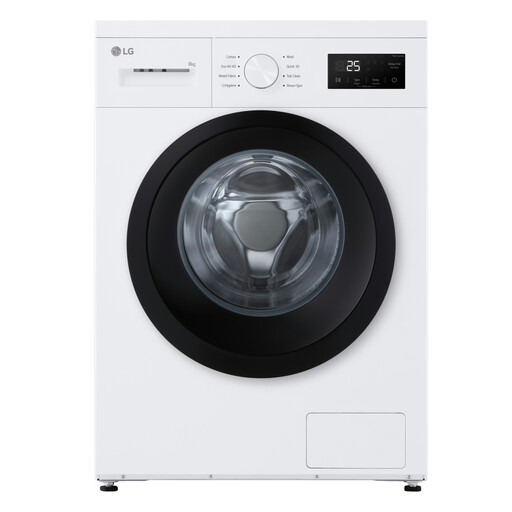
If you expect frequent baby-item loads but have limited installation depth, compare this 8kg model’s full installed dimensions with your space.
The title specifies a 1400rpm spin and an A energy rating. Allow for the door and connections when measuring, and check the quick-cycle load limit for small urgent loads.
 No image available
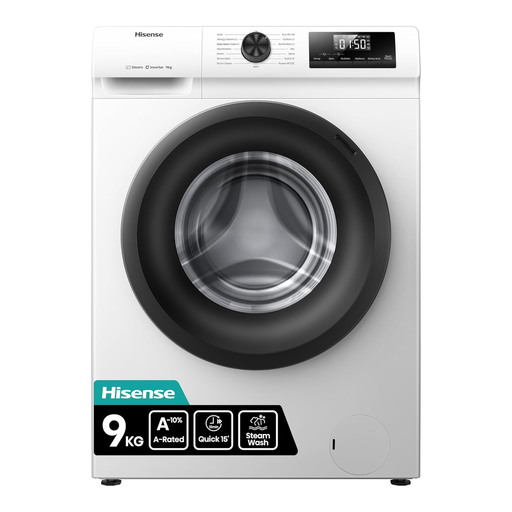
For baby clothes washed alongside larger household items, the stated 9kg capacity is a starting point for checking usable programme loads.
The title specifies a 1400rpm spin, freestanding installation and an A energy rating. Check quick-wash conditions and the exact model’s energy, water and noise information before comparing it with another machine.
An 8kg machine can suit frequent smaller loads, but the decision changes if it must regularly wash family bedding and towels too. Compare the exact programmes you will use: rated capacity describes dry textiles for a specified programme, and other cycles may permit less.
No: choose a quick wash only when the load meets that programme’s conditions and the garments’ care labels. Samsung, for example, specifies the 15-minute Quick Wash on its WW90FG3M05AWEU for loads below 2kg; check the load and soil-level guidance on any other model separately.
Compare figures for the exact models on the same labelled basis, including rated capacity, energy and water consumption, Eco 40-60 duration and spin noise. A shared energy-class letter alone does not tell you how the machines compare on all those measures or on the other programmes you expect to use.
Electrical Safety First advises against using an extension lead for a washing machine because the lead can be overloaded, especially alongside other large appliances. Check the fixed socket and installation arrangements for the intended location, and follow the machine manufacturer’s instructions.