Routine pillowcase and bedding washers
You wash pillowcases with everyday laundry and need a machine that fits your home, handles your usual load and offers programmes appropriate for the fabrics you own.


For routine pillowcase washing, choose a machine around your usual household loads, available space and the pillowcases’ care labels rather than buying a large drum for pillowcases alone. If managing house-dust-mite exposure is a priority, Norfolk and Norwich University Hospitals NHS Foundation Trust advises washing pillowcases at 60°C weekly; use that temperature only when the fabric label allows it and the exact machine has a suitable programme.
You wash pillowcases with everyday laundry and need a machine that fits your home, handles your usual load and offers programmes appropriate for the fabrics you own.
You include pillowcases in a house-dust-mite-management routine. The care label and the exact machine programme both matter before choosing a hot wash.
You need to fit a machine into a restricted kitchen or utility room. An integrated model may need a compatible cabinet door; with a washer-dryer, wash and dry capacities also need checking separately.
Start with the pillowcases’ care labels, then size the machine for your regular laundry and installation space. Compare specialist programmes and running information on the exact models that fit those requirements.
| Concern | What to check | Who this matters to |
|---|---|---|
| Fabric care | Read each pillowcase’s maximum wash temperature and any gentle-cycle symbol; compare the machine’s programmes. | If my pillowcases have different fabric-care requirements, I need a cycle that respects each label rather than assuming a hot cotton wash is suitable. Around 36% of consumers put fabric compatibility first. |
| Load size and fit | Match capacity to usual combined laundry loads, then check appliance dimensions and whether the space requires freestanding or integrated installation. | When I wash pillowcases with sheets and other household laundry, I need enough capacity in a machine that fits its intended position. For around 29% of consumers, load size and physical fit take priority. |
| Allergy-focused washing | Confirm that the care label permits the intended temperature and check the exact model’s allergy, hygiene or 60°C programme instructions. | If pillowcases form part of my house-dust-mite-management routine, I need a compatible hot-wash option, not just a steam feature name. This is the primary concern for around 21% of consumers. |
| Energy and noise | Compare the exact models’ energy labels and product information sheets; check stated spin noise for a noise-sensitive location. | With frequent laundry or a machine near living space, I want to compare running information and spin noise before choosing. Around 14% of consumers prioritise these considerations. |
A pillowcase’s care label sets its maximum wash temperature, and an underlined wash symbol calls for a gentler cycle. A machine’s hot-wash setting does not override those instructions.
Read the label before selecting a programme. Use 60°C for a dust-mite-focused routine only when the pillowcase permits it.
A few pillowcases tell you little about the capacity needed for sheets, duvet covers and ordinary household laundry. Capacity also cannot tell you whether a machine will fit its installation space.
Assess your usual combined loads and measure the intended location before comparing capacities and features.
Programme names and fabric conditions vary by model. A feature described for one machine does not establish what another machine in the range can do.
Check the exact model’s programme instructions, applicable fabrics and load conditions alongside the pillowcase label.
The headline class does not show every operating consideration, including the stated noise during spinning.
Compare the energy label and product information sheet for each shortlisted model, and check spin-noise figures if placement makes noise important.
Bosch UK lists freestanding, built-in, built-under and compact washing machines, as well as washer-dryers.
LG UK describes washing machines across a range of capacities, alongside integrated options and washer-dryers.
Miele UK presents laundry machines with specialised programmes and fabric-care features.
These freestanding and integrated machines cover different household load sizes and installation needs. For pillowcases, check the care label and the exact programme instructions before relying on a named hygiene or allergy setting.
 No image available
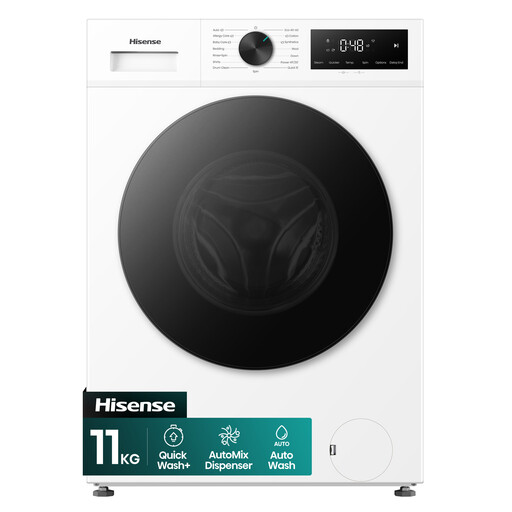
Consider this freestanding model if pillowcases are usually part of larger household loads; choose its capacity for those combined loads, not for pillowcases alone.
The product name states an 11kg capacity, 1,400 spin/min and A energy rating. Check the Allergy Care programme instructions against the pillowcases’ labels before using it.
The listing specifies a Euro/Schuko plug. Confirm the appliance’s UK electrical connection and installation requirements before buying.
 No image available
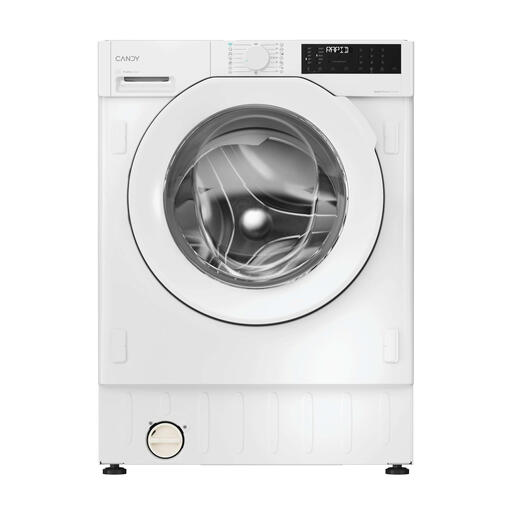
This integrated model is relevant when a cabinet-front installation is required and its capacity suits your regular laundry.
The product name states 9kg, 1,400 spin and an A energy rating. Confirm the cabinet opening and door compatibility, and check the steam hygiene programme’s conditions before selecting it for pillowcases.
 No image available
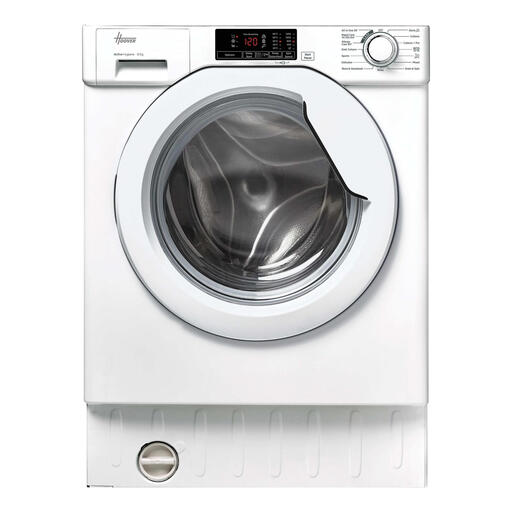
Consider this integrated machine for routine combined loads if it fits the intended cabinet and door arrangement.
The product name states an 8kg capacity, 1,400rpm and C energy rating. For pillowcases, use the listed Hygiene 60°C programme only when the fabric label permits that temperature, and check its fabric conditions.
Confirm the cabinet fit and installation arrangements before ordering.
 No image available
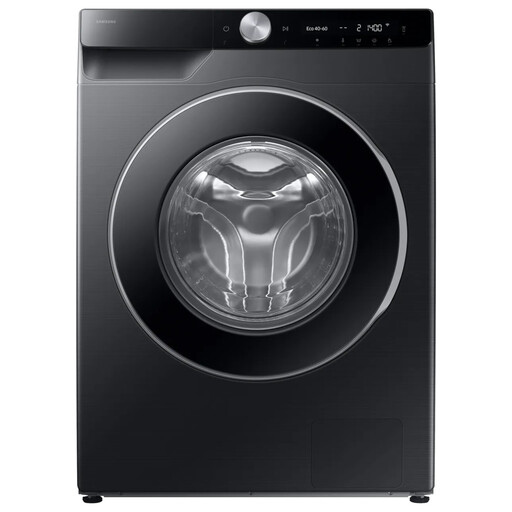
This freestanding machine is worth considering when larger combined bedding and household loads justify its capacity.
The product name states 11kg, 1,400rpm and an A energy rating. Check the Hygiene Steam programme’s temperature and fabric conditions against the pillowcases’ care labels; its name alone does not establish suitability.
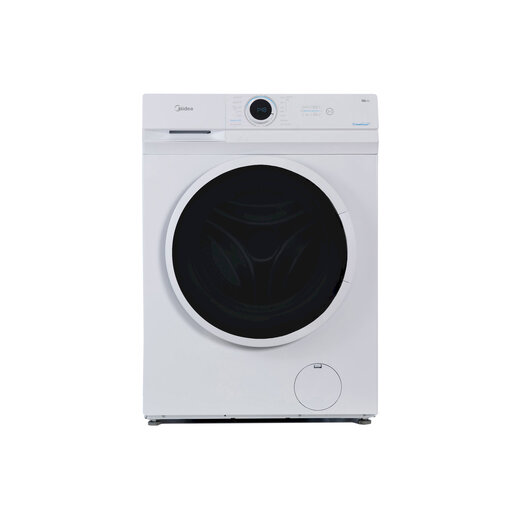 No image available
Consider this model for smaller household loads or a restricted laundry space, provided its full installation dimensions suit the location.
The product name states 6kg, 1,000rpm and a D energy rating. Before washing pillowcases at 60°C, check their care labels and the machine’s programme instructions; check the exact programme list if you also need a delicates cycle.
No: for routine washing, choose a suitable programme and a machine sized for your normal household laundry. A larger drum becomes more relevant if pillowcases regularly go in with sheets, duvet covers and other loads.
No: the pillowcase’s care label must permit 60°C, and an underlined wash symbol calls for a gentler cycle. Norfolk and Norwich University Hospitals NHS Foundation Trust advises a weekly 60°C wash of pillowcases as part of managing house-dust-mite exposure, but that guidance does not override the textile label.
No: the programme’s conditions and the pillowcase’s care instructions both apply. LG describes Allergy Care on its F4Y511GBLN1, while Bosch lists AllergyPlus on its WAN28281GB; neither model-specific feature establishes that every fabric or cycle is suitable.
Check the exact appliance dimensions against the opening and confirm cabinet-door and installation requirements before ordering. An integrated machine should not be assumed to fit simply because its stated capacity matches a freestanding model.
Compare the energy label and product information sheet for each exact model, rather than relying on the headline class alone. If the machine will be near living space, compare the stated spin-noise figures as a separate consideration.