Shared-house bulk-load planners
If tablecloths go in with other compatible laundry, compare the dry-textile capacity allowed for the programme you will actually use. The kg rating does not specify how many tablecloths fit.


Check the space, connections and rental arrangements before choosing a capacity: a machine that cannot be installed appropriately will not solve the house’s laundry problem. An 8kg model is a sensible starting point for regular tablecloth washes, while 9kg or more may suit larger combined loads; neither rating promises a particular number of tablecloths per wash. Compare the intended programme and its permitted load, the tablecloth care labels and comparable energy-label figures before deciding.
If tablecloths go in with other compatible laundry, compare the dry-textile capacity allowed for the programme you will actually use. The kg rating does not specify how many tablecloths fit.
Frequent smaller loads can make a short programme useful between classes or shared-kitchen use. Check its permitted load and settings before using it for a cotton tablecloth.
Measure the space and confirm the installation arrangements before comparing energy labels. In a student rental, who may install a machine and who handles it later also needs to be agreed.
For a student house, settle fit and installation arrangements first, then compare capacity against the loads you expect to wash and the programmes those fabrics allow.
| Concern | Buying checks | Who this matters to |
|---|---|---|
| Capacity for shared loads | Compare rated kg capacity with the permitted load for the intended programme; check whether the tablecloths can be washed with other items. | If I combine tablecloths with compatible household laundry, I want to avoid extra appropriate wash loads without overfilling the drum. Around 29% of consumers put shared-load capacity first. |
| Fit and installation | Measure the opening, access route, depth and door clearance; confirm water, waste and electrical arrangements and the rental agreement. | A machine is no use to our house if it cannot reach or fit its allocated space, or we have not agreed who may install it. For around 29% of consumers, installation readiness is the primary concern. |
| Energy, water and noise | Compare energy per 100 washes, water per cycle, Eco 40-60 duration and spin noise on the same label basis. | When we share household bills and washing times, I want comparable running-use information rather than a broad efficiency claim. Around 24% of consumers prioritise these labelled measures. |
| Wash turnaround | Check a short programme’s permitted load and settings against the tablecloth care label; compare the cotton programme separately. | If smaller loads need washing between other house activities, I value a shorter suitable cycle but cannot assume it works for every tablecloth. Quick turnaround comes first for around 18% of consumers. |
Energy Saving Trust explains that washing-machine label figures include energy consumption per 100 washes and Eco 40-60 programme information. Those figures provide a comparison basis, not the consumption or duration of every cotton wash.
A stated 8kg or 9kg capacity refers to a mass of dry textiles under programme conditions; tablecloth size and the selected programme still affect the practical load.
Compare capacities in kg, then follow the machine’s loading instructions and each tablecloth’s care label.
The appliance also needs sufficient depth, space for hoses and door opening, and a route into the property. An existing integrated-machine space may need a different type of replacement.
Measure the full opening and access route, identify the connections and check the exact model dimensions before ordering.
An integrated opening may also require cabinetry or fitting work before a replacement can be used.
A short programme or cycle-shortening feature does not establish that its load, temperature or wash purpose suits a particular cotton tablecloth.
Check the programme instructions and care label; use an appropriate cotton programme when the quick option does not meet them.
GOV.UK guidance on the safety of landlord-supplied appliances in private rentals in England does not decide the arrangements for a machine tenants buy themselves.
Check the tenancy agreement and obtain written confirmation from the landlord or managing agent before ordering or changing kitchen fittings.
Beko’s specified 8kg models are relevant if the house wants a conventional freestanding machine and is considering short-wash options or easier access for bulky textiles.
Bosch has specified 8kg freestanding models worth comparing where the intended installation space and stated maximum spin speed matter.
Samsung’s 9kg WW90CGC04DAEEU is a model to examine if larger combined loads are a priority and its dimensions suit the house.
Miele lists 8kg and 9kg W1 models with cotton-wash options and features that may matter to a house comparing programme convenience.
These freestanding machines offer 8kg, 9kg and 10kg stated capacities for households comparing regular tablecloth washes with larger shared loads. Capacity is only a starting point: check installation fit and the programme permitted for your tablecloths on the exact model.
 No image available
An 8kg option for regular household loads when that capacity suits the house’s washing routine. Check the Cotton Eco programme’s permitted load and settings against the tablecloth care labels.
Allow space for hoses and the door when checking installation fit.
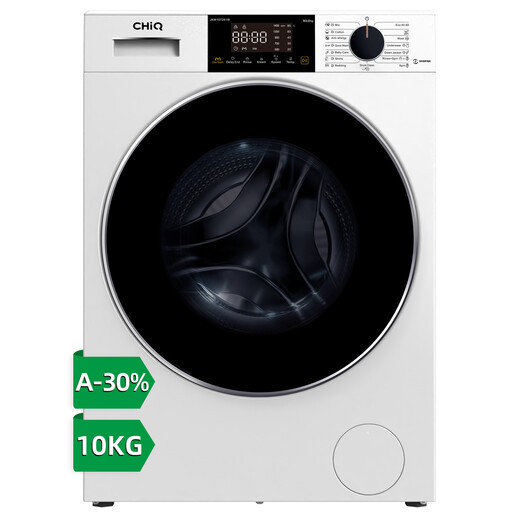 No image available
A 10kg option to consider when combined household loads are substantial. Check the Cotton programme’s permitted load and settings before including tablecloths.
Compare the exact UK energy-label figures rather than relying on an efficiency phrase in the product name.
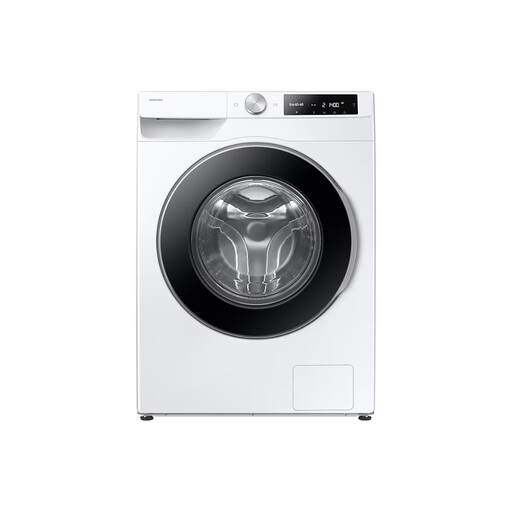 No image available
A 9kg freestanding option for a house considering larger combined loads. Its Cotton programme still needs to be checked for the tablecloths’ care instructions and permitted load.
Measure for hoses and door clearance as well as the appliance itself.
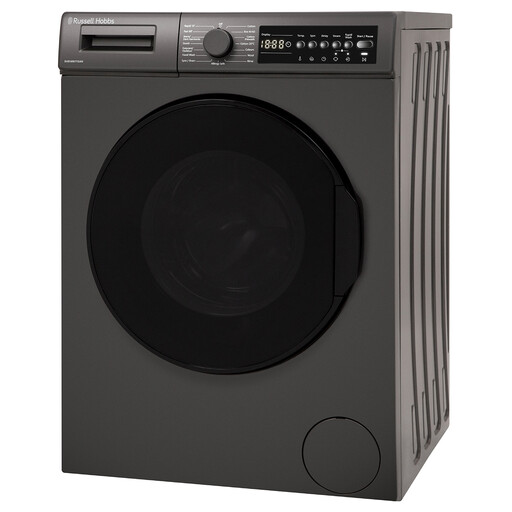 No image available
A 9kg freestanding option for shared laundry loads. Before choosing it for cotton tablecloths, check the manual for an appropriate programme and its permitted load.
Do not treat a rapid wash as suitable for every fabric or soil level.
 No image available
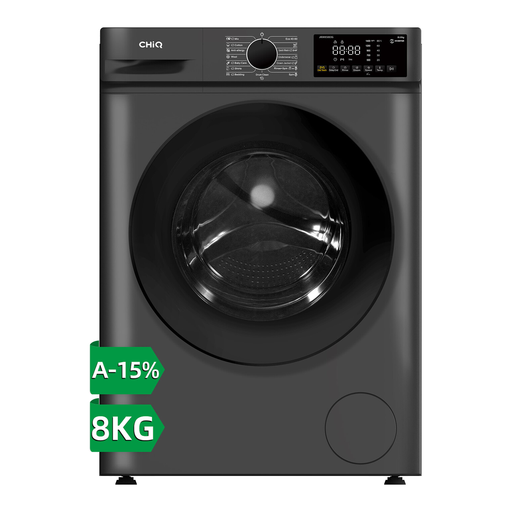
An 8kg freestanding option to compare where the allocated space is important. Check the manual for a programme and permitted load suitable for the cotton tablecloths.
Measure the full installation space, including hose and door clearance, before using the appliance dimensions to judge fit.
Compare the A–G class, energy consumption per 100 washes, water consumption, Eco 40-60 capacity and duration, and spin noise. Energy Saving Trust explains that the energy and programme figures relate to the labelled Eco 40-60 basis, so check the intended cotton programme separately.
Yes: confirm the available cold-water inlet, drain, electrical arrangement and space for the exact machine. Measure the route into the house too, and follow the appliance manual or arrange an appropriate installation service.
Check your tenancy agreement and get written confirmation from the landlord or managing agent before adding a machine. GOV.UK guidance for private rentals in England addresses the safety of landlord-supplied appliances; it does not settle approval, fitting or maintenance arrangements for one bought independently by tenants.
Only after checking that the opening and property arrangements allow the change. Confirm cabinet and furniture-door fittings, appliance dimensions, service connections and the landlord’s or managing agent’s requirements before selecting a different installation type.